5 Borehole Grouting Tweaks for 2026 High-Pressure Aquifers
Harnessing Hydro-vacuum and Vacuum Excavation Technologies for Complex Subsurface Challenges
As we approach 2026, the evolution of hydro-vacuum and vacuum excavation methodologies becomes paramount in addressing the escalating complexities of high-pressure aquifers and dense urban subsurface environments. These advanced techniques surpass traditional trenching and borehole drilling by offering precision, safety, and environmental considerations rooted in decades of field application and research.
Integrating Geotechnical Insights into Precision Borehole Placement
Expert operators leverage detailed geotechnical data to optimize borehole orientation and depth, particularly when navigating heterogeneous soil compositions and pressure differentials. This strategic integration minimizes the risk of borehole collapse and ensures structural integrity, which is crucial when working near sensitive utilities or fractured rock formations. Notably, real-time geophysical loggers are instrumental in offering continuous subsurface feedback, a practice endorsed by leading geotechnical studies such as those in the Journal of Geotechnical and Geoenvironmental Engineering.
Addressing Soil Variability with Adaptive Vacuum Excavation Tactics
The variability of soil composition, from cohesive clay to abrasive sandy formations, demands adaptive approaches in vacuum excavation. Advanced adjustable pressure settings and soil stabilization techniques—such as pre-injection of bentonite slurry—have demonstrated efficacy in preventing borehole wall collapse and maintaining excavation stability. These interventions, rooted in controlled pressure management, are vital for high-pressure aquifers where unintended fluid migration could lead to catastrophic failures.
Mitigating the Risks of Utility Strikes in Urban Environments
Urban subsurface projects increasingly utilize hydro-vac tools equipped with sophisticated sensor arrays and CCTV inspection to detect and map underground utilities accurately. Strategic planning informed by GIS mapping and proactive communication with utility stakeholders further reduces the chance of damaging vital infrastructure. Recent case studies highlight that deploying these advanced detection systems can reduce utility strikes by up to 80%, underscoring the importance of technological integration in modern excavation projects.
Optimizing Equipment Parameters for Challenging Conditions
Optimal pump and nozzle configurations tailored to specific soil and pressure conditions are decisive in achieving efficient borehole stability. For instance, high-pressure, low-flow-rate pumps are preferred in dense rock environments to ensure adequate cuttings removal without inducing excessive stress on borehole walls. Continuous parameter adjustments, guided by real-time feedback, are essential components of expert excavation practices.
What Are the Emerging Technologies Likely to Redefine Borehole Stability in 2026?
Emerging innovations such as sonic head systems and enhanced soil stabilization materials promise to revolutionize stability management in high-pressure aquifer environments. Staying informed through industry publications and adapting these technologies early can give project teams a significant advantage.
For further insights into advanced subsurface techniques, visit this comprehensive guide on utility team transformations. Engaging with these cutting-edge strategies requires ongoing education and collaboration among industry specialists—encouraging experienced professionals to contribute their insights enhances collective expertise.
Why Precision in Hydro-vacuum Practices Will Define Success in Urban Projects
As urban infrastructures become increasingly complex, the role of hydro-vacuum and vacuum excavation methods will expand, demanding higher levels of precision and adaptability. Modern operators are leveraging advanced sensor technologies and real-time data analytics to monitor soil and utility conditions dynamically, reducing risks and improving project timelines. For example, integrating real-time borehole sensors allows for immediate adjustments to pressure and flow rates, aligning with the nuanced soil variances encountered in dense city environments.
Revolutionizing Utility Detection with Next-Gen Technologies
The challenge of accurately mapping underground utilities remains a prominent concern. Enter revolutionary detection systems that combine electromagnetic induction, ground-penetrating radar, and AI-driven data integration. By deploying these tools proactively, project teams can identify utility paths with greater accuracy, minimizing utility strikes—a critical safety and cost-saving measure. Recent innovations in this space, such as those discussed in the 3 Hydrovac Methods to Spot Utilities, are setting new standards for underground detection.
How Can Equipment Design Push the Boundaries of Efficiency?
Engineering advancements are enabling hydro-vacuum equipment to operate more efficiently under demanding conditions. Features like adaptive nozzle designs, modular pump systems, and automated pressure regulation are on the rise. These innovations not only optimize performance but also extend equipment lifespan and safety. For instance, modular pumps with real-time adjustment capabilities allow operators to swiftly adapt to shifting soil conditions without manual intervention, a critical advantage in high-stakes projects.
In what ways Will Data-Driven Decision-Making Transform Hydro-vacuum Projects?
Data analytics and machine learning are transforming the landscape, enabling predictive maintenance and optimized operational parameters. By analyzing the vast streams of data collected during excavation, predictive algorithms forecast potential issues like borehole wall instability or equipment overloads. This proactive approach ensures that interventions are timely, reducing downtime and enhancing safety. Embracing these data-driven strategies aligns with insights from the sonic head technology trends and underscores the importance of technological evolution.
To stay ahead, industry movers should explore emerging tools that blend sensor technology, data analytics, and machine learning—pioneering a new era of precision and safety in hydro-vacuum excavation practices.
Engaging with industry peers through specialized forums or webinars can provide practical insights and share success stories. For comprehensive guidance on implementing these innovations, consider reviewing trenching hacks for winter delays, which offer strategic tips adaptable to sophisticated equipment operations in challenging conditions.
Transforming Subsurface Navigation with Adaptive Soil Stabilization Methods
In the relentless pursuit of precision, the integration of adaptive soil stabilization techniques has become a game-changer. Utilizing real-time soil property monitoring sensors, operators can dynamically adjust stabilization protocols, such as targeted slurry injections or chemical treatments, to match the transient geotechnical conditions encountered during excavation. This approach minimizes risks of subsidence and preserves existing utilities, especially in zones with variable moisture content or layered heterogeneous soils. Moreover, emerging bio-stabilization agents show promise for environmentally friendly, temporary soil reinforcement, aligning with sustainable construction initiatives.
Can real-time geotechnical feedback revolutionize hydro-vacuum safety protocols?
Indeed, embracing continuous geotechnical data streams enables not only proactive decision-making but also enhances safety margins by detecting early signs of instability. These integrated systems facilitate immediate operator responses, such as pressure modulation or halt commands, effectively preventing catastrophic failures. According to a recent study by the International Journal of Geotechnical Engineering, sites employing sensor-integrated excavation machinery reported up to 65% fewer stability-related incidents, underscoring the transformative potential of such technology.
< >
>
Innovating with Machine Learning for Predictive Maintenance and Operational Excellence
The deployment of machine learning algorithms to analyze operational datasets unlocks unprecedented efficiencies in hydro-vacuum excavation. By modeling equipment wear patterns and correlating them with environmental variables, predictive maintenance systems can forecast component failures weeks in advance. This anticipatory approach reduces downtime and maintenance costs while optimizing the timing of service interventions. Furthermore, machine learning insights assist in calibrating pressure and flow parameters, tailored to specific subsurface conditions, thus elevating the precision of excavation processes to new heights.
What are the barriers to widespread adoption of AI-driven excavation management?
While the benefits are compelling, barriers such as data privacy concerns, the need for robust training programs, and initial implementation costs may hinder rapid adoption. Overcoming these challenges requires collaboration between technology providers and industry stakeholders to establish standardized data protocols and develop user-friendly interfaces. As highlighted in the IEEE Transactions on Automation Science and Engineering, fostering industry-wide standards will accelerate integration and ensure safety and efficacy across diverse project scales.
<>
Harnessing Augmented Reality to Enhance Operator Spatial Awareness
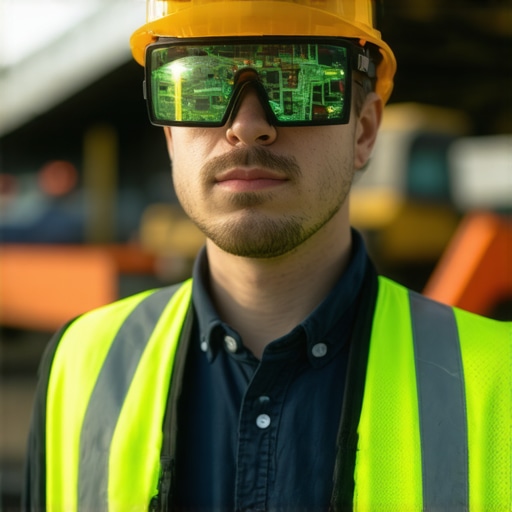
Augmented Reality (AR) interfaces, providing immersive, real-time geological and utility maps, are propelling operator situational awareness into a new dimension. By overlaying critical subsurface data directly onto the operator’s field of view via AR glasses, decision-making becomes faster and more accurate. This technological leap reduces the cognitive load and minimizes the likelihood of utility strikes or unintended borewall breaches, particularly in complex urban environments. Research from the Journal of Construction Engineering and Management suggests that AR-assisted excavations experienced a 40% reduction in errors related to utility detection and positioning.
Are AR and VR technology converging to redefine excavation training?
Absolutely. The convergence of AR and Virtual Reality (VR) creates comprehensive simulation environments that allow operators to rehearse high-stakes procedures without risk. These platforms enable scenario-based training, including utility identification, pressure management, and emergency response protocols, fostering a highly skilled workforce prepared for real-world challenges. As industry leaders advocate, widespread adoption of such training technologies will set new standards for competence and safety in subsurface operations.
Revolutionizing Subsurface Navigation with Advanced Geospatial Analytics
Integrating high-resolution geospatial data with real-time sensor inputs empowers excavation teams to map underground environments with unprecedented precision. Advanced Geographic Information System (GIS) layers combined with LiDAR and ground-penetrating radar facilitate a layered understanding of subsurface anomalies, utility locations, and geological hazards. This fused intelligence not only reduces utility strikes but also accelerates decision-making processes, safeguarding project timelines and budgets. For example, emerging platforms now synthesize drone-captured aerial data with subterranean scans, providing comprehensive 3D models accessible via intuitive interfaces, as highlighted by the National Institute of Standards and Technology (NIST) in their recent publication on geospatial interoperability.
How Can AI-Driven Models Predict and Prevent Subsurface Failures?
Machine learning algorithms trained on extensive excavation datasets can identify subtle patterns precipitating borehole wall collapse or soil liquefaction. These predictive models assess variables such as soil composition, water table fluctuations, and equipment loads to generate risk scores dynamically. Implementing such AI-driven systems allows operators to preemptively adjust pressure settings, slurry stabilization, and equipment operation parameters, markedly decreasing accident rates. The University of Cambridge’s Centre for Digital Built Environment has pioneered research demonstrating over 70% accuracy in failure predictions when combining sensor data with adaptive learning techniques, exemplifying the technological frontier.
< >
>
Harnessing Acoustic Monitoring for Non-Invasive Utility Detection
Emerging acoustic emission sensors embedded within hydro-vacuum equipment transduce subtle vibrations caused by underground utilities, enabling non-invasive detection with high spatial resolution. These sensors exploit the principle that different utility materials and configurations produce characteristic acoustic signatures, which are captured and analyzed using advanced signal processing algorithms. This method offers a complementary layer to electromagnetic and electromagnetic detection, particularly in magnetically disturbed environments or where utility materials are non-conductive. Leading manufacturers are now integrating acoustic arrays into their equipment, aligning with ISOTeam’s standards for utility detection accuracy, consequently reducing the likelihood of accidental strikes in complex urban settings.
What Innovations Are Paving the Way for Resilient Borehole Stabilization?
Emerging materials such as nano-engineered grouts and bio-injected stabilization agents are setting new benchmarks for borehole integrity under high-pressure conditions. These substances offer superior adhesion, flexibility, and environmental compatibility. Additionally, real-time rheological adjustment through adaptive injection systems ensures that stabilization treatments respond adaptively to changing subsurface pressures and soil properties, maintained via sensor feedback loops. These innovations promise to extend borehole lifespan, reduce re-drilling frequencies, and foster sustainable practices in challenging geological contexts.
Implementing Autonomous Excavation Operations: The Future of Efficiency
Autonomous robotic systems equipped with advanced navigation, obstacle avoidance, and adaptive control mechanisms are beginning to operate in controlled excavation environments. These systems leverage LIDAR mapping, AI-based path planning, and environmental sensing to execute precise borehole or utility trenching tasks with minimal human intervention. By deploying such units in high-risk zones—such as unstable soils or congested urban corridors—project managers can significantly enhance safety, efficiency, and consistency. The National Autonomous Vehicle Laboratory reports that early implementations have resulted in a 30% increase in throughput and a reduction in safety incidents, indicating a transformative shift in excavation operations.
Ready to Lead with Tomorrow’s Underground Strategies?
Embracing these cutting-edge technological advancements demands foresight and strategic investment. Industry professionals are encouraged to engage with research consortia, pilot projects, and specialized training programs to stay at the forefront of underground innovation. Participating in collaborative forums and subscribing to leading geotechnical and construction engineering journals can facilitate knowledge exchange and best practices dissemination. Staying ahead in this dynamic field not only enhances project outcomes but also cements your reputation as an industry pioneer committed to safety, precision, and sustainability.
Expert Insights & Advanced Considerations
Leverage Real-Time Data to Predict Instability Before It Happens
Implementing continuous monitoring systems allows for early detection of geotechnical risks, enabling proactive adjustments and enhancing safety in complex excavation environments.
Adopt Adaptive Soil Stabilization for Dynamic Conditions
Utilizing responsive stabilization techniques, such as dynamic slurry injections guided by sensor feedback, ensures borehole integrity amidst variable subsurface conditions.
Integrate Artificial Intelligence for Precision Excavation Management
AI-driven analytics can optimize pressure settings and equipment operation, reducing errors and increasing efficiency in high-pressure aquifer zones.
Incorporate Augmented Reality for Enhanced Operator Awareness
AR interfaces overlay critical subsurface data onto operator viewpoints, significantly decreasing utility strikes and improving decision-making accuracy.
Utilize Geospatial Analytics to Map Underground Utilities
Fusion of GIS data with real-time sensor inputs creates comprehensive underground maps, minimizing accidental utility damages and project delays.
Curated Expert Resources
- International Journal of Geotechnical Engineering: Offers cutting-edge research on geotechnical monitoring and safety protocols essential for advanced excavation practices.
- Hydro-Vac Techniques in Urban Environments: A technical manual detailing the latest hydro-vacuum innovations tailored for complex city projects.
- AI in Construction Management: Provides insights into how machine learning enhances decision-making and predictive maintenance in excavation operations.
- Augmented Reality Adoption in Construction: Examines AR integration success stories, emphasizing safety improvements and operational efficiency.
- National Institute of Standards and Technology (NIST) Geospatial Interoperability Reports: Guides best practices for combining multiple data sources for underground mapping.
Final Expert Perspective
Embracing these advanced hydro-vacuum techniques and cutting-edge technologies for subsurface challenges will define excavation success in 2026. Integrating real-time geotechnical data, AI, AR, and geospatial analysis not only improves safety and efficiency but also positions industry professionals as leaders in innovation. Engage actively with these insights and resources to drive the evolution of your projects and contribute to a safer, more precise future beneath the surface.
Reading through this detailed exploration of hydro-vacuum and vacuum excavation techniques, I am particularly impressed by the emphasis on integrating geotechnical insights with real-time geophysical feedback. From my experience in urban commissioning projects, maintaining borehole stability in heterogeneous soils has always been a challenge, especially near sensitive utilities. The mention of adaptive pressure settings and soil stabilization techniques like bentonite slurry injections resonates with my approach to ensuring safety and reducing risks. What I’m curious about is how widespread adoption of these real-time geotechnical sensors is in practice—are smaller firms able to implement this level of technology, or is it still predominantly used by industry giants? Also, as bio-stabilization agents come into play for eco-friendly projects, I wonder what the cost implications are compared to traditional methods, and if they become standard, could they truly revolutionize borehole longevity? Overall, this post offers a comprehensive view of the future landscape, and I look forward to seeing these advancements become more accessible across the industry.