Stop Bit Damage: 4 Borehole Drilling Hacks for 2026 Bedrock
Strategic Innovations Shaping the Future of Vacuum Excavation and Utility Locating
As utility infrastructure becomes increasingly complex and buried deeper within urban landscapes, mastering advanced excavation methodologies such as vacuum excavation and hydrovac technology is paramount for professionals aiming for precision and safety in 2026. These techniques, rooted in sophisticated soil analysis, innovative equipment, and nuanced operational protocols, are redefining the standards of subterranean work, especially in sensitive environments where utility damage mitigation is critical.
How Advanced Soil Mechanics Influence Borehole Stability and Trenching Efficacy
Understanding the intricate behavior of different soil types, from expansive clay to rocky substrates, is fundamental to optimizing borehole drilling and trenching strategies. Accurate soil characterization enables operators to select suitable soil stabilizers or remedial workflows, thus preventing common issues like borehole collapse or uneven trench walls. Incorporating soil testing data into digital utility mapping enhances the accuracy of subsurface modeling, leading to fewer surprises during operations. For in-depth methods on precise utility mapping, see this authoritative guide.
Technological Equilibrium: Comparing Hydrovac and Traditional Excavation Tools in Urban Settings
Hydrovac systems integrate high-pressure water and vacuum recovery to expose underground utilities with minimal surface disruption, reducing risks associated with conventional mechanical excavation. Conversely, traditional trenching equipment, while robust, often causes collateral surface damage, soil compaction, and utility strikes. The debate hinges upon the operational context: hydrovac excels in congested environments demanding precision, while traditional methods may prove more cost-effective in open, less sensitive areas. For intricately detailed trenching strategies, professionals should explore this comprehensive resource.
Why does soil variability complicate borehole drilling and how can advanced predictive models mitigate these challenges?
Soil heterogeneity introduces unpredictable resistance, borehole deviation, and equipment wear, complicating drilling accuracy and increasing costs. Innovative predictive models integrate geotechnical data, real-time sensor feedback, and machine learning algorithms to forecast soil responses, allowing operators to adapt drilling parameters proactively. This approach enhances borehole stability, reduces equipment downtime, and minimizes the risk of utility damage, aligning with industry best practices outlined in recent white papers.
Emerging Techniques that Elevate Utility Mapping and Subsurface Accuracy
The integration of 3D subsurface imaging, ground-penetrating radar, and real-time subsurface data analytics represents the frontier of excavation precision. These innovations enable accurate utility detection, reducing unforeseen conflicts, and facilitating faster project timelines. By adopting these methods, professionals can ensure compliance with evolving safety standards and environmental regulations, especially in sensitive urban environments.
For ongoing developments in vacuum excavation and underground infrastructure safety, professionals are encouraged to consult this authoritative source and contribute their insights to the collective knowledge pool.
What innovative soil stabilization techniques can prevent borehole collapse in challenging geotechnical terrains?
Employing soil amendments, chemical stabilizers, or grouting techniques dynamically tailored to specific soil conditions can significantly enhance borehole integrity. For instance, controlled polymer injections or microcement grouts can provide immediate support in collapsible soils, ensuring safety and operational efficiency. Continuous development and validation of these methods are vital to pushing the boundaries of reliable underground work.
Unlocking Precision with Cutting-Edge Subsurface Imaging
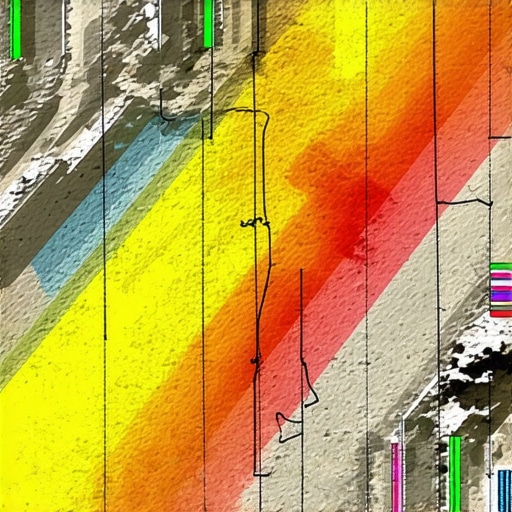
As urban infrastructures become more intricate, reliance on traditional utility mapping methods increasingly falls short in delivering the accuracy necessary for safe excavation. The advent of high-resolution 3D ground-penetrating radar (GPR) and advanced electromagnetic induction technologies now enables crews to visualize underground utilities with unprecedented clarity. These tools offer real-time subsurface images, allowing for precise avoidance of critical infrastructure and minimizing repair costs. Integrating these innovations into your workflow not only enhances safety but also accelerates project timelines, a crucial advantage considering the tight schedules often faced in 2026. For a deeper understanding of how these technologies are transforming underground exploration, see this expert guide.
Can predictive analytics and AI-driven soil models truly eliminate the guesswork in borehole stability assessment?
By harnessing artificial intelligence and machine learning, geotechnical engineers can develop predictive models that analyze vast datasets from soil sensors, historical borehole data, and remote sensing inputs. These models forecast potential soil failures, such as collapse or uneven settlement, before they occur, enabling proactive intervention. Such foresight dramatically reduces downtime, prevents utility strikes, and ensures long-term borehole integrity. Incorporating these models into project planning signifies a paradigm shift toward data-driven excavation strategies that save costs and enhance safety. Industry leaders are increasingly adopting these approaches, as highlighted in recent white papers emphasizing the convergence of AI and geotechnical engineering.
Reevaluating Traditional Approaches: Are We Overestimating Mechanical Excavation’s Role?
Many projects still default to conventional trenching, assuming mechanical excavators offer the best blend of speed and cost-effectiveness. However, emerging evidence suggests that hydrovac and vacuum excavation not only outperform traditional methods in sensitive environments but also deliver superior precision and utility preservation. These methods drastically reduce surface disruption, utility strikes, and post-excavation cleanup, translating into substantial financial and safety benefits. As urban needs evolve, reevaluating these assumptions ensures resource allocation aligns with best practices, especially considering innovations in soil stabilization and collapse prevention techniques detailed at this comprehensive resource.
Interested in refining your excavation approach? Consider sharing your experiences or consulting with industry peers to stay ahead of the curve.
Harnessing Multi-Dimensional Imaging for Underground Precision
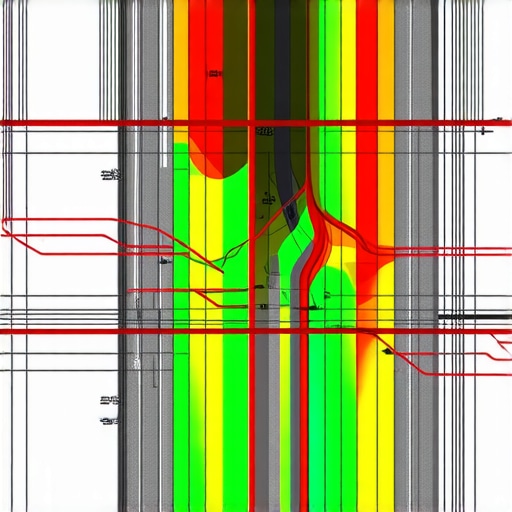
The evolution from traditional 2D Ground Penetrating Radar (GPR) to sophisticated 3D subsurface imaging marks a pivotal turning point in underground utility detection. By capturing volumetric data, crews gain a comprehensive spatial understanding, significantly reducing unforeseen conflicts. Integrating multi-frequency electromagnetic induction and hyper-spectral imaging further refines utility localization, especially when dealing with complex urban ecosystems. Such advancements necessitate proficiency not only in equipment operation but also in data interpretation—an area where specialized training elevates overall project success.
How do multi-sensor data fusion techniques enhance subsurface mapping accuracy?
Data fusion methodologies combine information from diverse geophysical sensors, such as GPR, electromagnetic induction, and seismic surveys, to produce a cohesive and high-fidelity underground model. This approach minimizes the limitations inherent in individual sensors, such as signal attenuation or interference, and offers a layered perspective that distinguishes between utilities, soil layers, and voids. Recent algorithms employing machine learning optimize this process, enabling dynamic updates during excavation, which drastically improves safety margins. For authoritative insights, refer to this peer-reviewed publication.
Engineers integrating such technologies must also consider the operational challenges involved, such as equipment calibration, data processing time, and interpretive expertise, to fully realize the benefits of enhanced imaging accuracy.
AI and Predictive Analytics: Reshaping Ground Stability Assessments
The convergence of artificial intelligence (AI), machine learning, and geotechnical data heralds a new age in excavation risk management. These intelligent systems process vast datasets—from geotechnical reports, in-situ sensor feedback, remote sensing imagery, to historical borehole information—to identify subtle soil behavior patterns that precede failures. Real-time analytics enable proactive decision-making, allowing operators to adjust drilling parameters on the fly, prevent collapse, and streamline operations. This leap forward is especially crucial in urban environments where utility damage or trench collapse can trigger cascading failures.
What are the limitations of current AI models in underground stability prediction?
Despite impressive progress, AI models face challenges such as data scarcity in novel terrains, variability in soil properties, and the potential for algorithmic bias. Model generalization remains a critical hurdle; models trained on specific geotechnical settings may falter when applied elsewhere without retraining or calibration. Moreover, integrating AI outputs into existing workflows requires a cultural shift among geotechnical engineers, emphasizing interpretability and trust in machine-generated predictions. Ongoing research aims to address these limitations through federated learning strategies and hybrid modeling approaches, as elaborated in recent industry white papers.
For professionals seeking to adopt AI-driven methods, an understanding of these constraints is vital to deploying systems that genuinely augment expertise rather than evoke overreliance on automated predictions.
Revolutionizing Ground Support: Advanced Techniques for Borehole Collapse Prevention
Traditional soil stabilization methods often fall short in safeguarding boreholes, particularly within challenging geotechnical terrains. Cutting-edge solutions now involve tailored chemical grouts, polymer injections, and nanomaterial-enhanced stabilizers that adapt to specific soil properties, offering unprecedented support against collapse. These innovations not only enhance borehole integrity but also reduce project delays and cost overruns. Experts recognize that implementing a combination of site-specific soil analysis and real-time monitoring further optimizes stabilization outcomes, paving the way for safer and more reliable underground operations.
Precision Imaging in Subsurface Mapping: Beyond Conventional Geophysics
The advent of multi-sensor fusion, integrating high-resolution 3D ground-penetrating radar (GPR), electromagnetic induction, and seismic imaging, has revolutionized utility detection accuracy. This multi-disciplinary approach captures comprehensive volumetric data, enabling detailed visualization of complex underground ecosystems, including voids, utility obstructions, and soil heterogeneity. Such technological synergy reduces unforeseen conflicts, accelerates project timelines, and enhances safety compliance. Furthermore, advancements in AI algorithms now facilitate real-time data interpretation, offering dynamic updates during excavation activities, which significantly mitigates risk exposure.
How can machine learning refine predictive models for subterranean soil behavior at an expert level?
Machine learning algorithms, particularly deep learning neural networks, analyze vast datasets comprising geotechnical logs, remote sensing imagery, and sensor outputs to identify subtle patterns indicative of potential failures or anomalies. These models excel in scenarios where traditional physics-based approaches are limited by incomplete soil characterization. By continuously learning from new data, they improve their predictive accuracy over time, enabling engineers to anticipate collapse zones or utility strikes before they occur. Integrating such models into automated drilling systems allows for adaptive parameter adjustments, increasing borehole stability and operational safety, which is endorsed by recent developments in geotechnical AI applications.
Pushing Boundaries with Incident-Free Excavation Strategies
Emerging practices emphasize the proactive integration of multi-sensor subsurface imaging with AI-driven predictive analytics to formulate incident-free excavation protocols. Such strategies enable precise utility avoidance, soil behavior forecasting, and early hazard detection, ultimately transforming excavation workflows from reactive to anticipatory models. Industry leaders are now adopting composite approaches that leverage real-time data fusion, adaptive control systems, and robust stabilization techniques—collectively setting new standards for urban subsurface safety and efficiency.
To stay at the forefront, professionals should consult specialized resources such as this peer-reviewed journal article and actively participate in industry forums dedicated to geotechnical innovation.
Expert Insights & Advanced Considerations
Innovate with Multi-Sensor Data Fusion
Integrating diverse geophysical sensors such as GPR, electromagnetic induction, and seismic surveys creates a comprehensive underground model, minimizing uncertainties and enhancing utility detection precision in complex urban environments.
Prioritize Adaptive AI in Soil Stability
Employ machine learning models that adapt to site-specific soil properties and real-time sensor feedback, enabling proactive adjustments during drilling and preventing collapses or utility damages, pivotal for urban sustainability.
Leverage Risk-Based Utility Mapping
Implement advanced risk assessment frameworks that combine real-time data analytics with predictive modeling, reducing unforeseen conflicts and setting new standards for safety and efficiency in underground project planning.
Optimize Soil Stabilization with Tailored Techniques
Utilize innovative chemical grouts, polymers, and nanomaterials designed from detailed geotechnical data, significantly increasing borehole integrity, especially in challenging terrains like collapsible or rocky soils.
Enhance Workforce Through Specialized Training
Invest in training programs focusing on multi-sensor data interpretation, AI integration, and advanced stabilization techniques to empower crews to execute complex underground operations confidently and accurately.
Curated Expert Resources
- Hydrovac and Vacuum Excavation Strategies for Safe Infrastructure—Guides the integration of vacuum excavation technology with safety protocols, vital for minimizing utility strikes.
- Borehole Drilling Methods for Precise Utility Mapping in 2025—Offers in-depth techniques for accurate underground utility detection and mapping.
- Advances in Multi-Sensor Subsurface Imaging—Provides insights into cutting-edge geophysical sensor fusion approaches and data interpretation best practices.
- AI and Predictive Analytics in Geotechnical Engineering—Details how machine learning models forecast soil behavior and enhance safety.
- Soil Stabilization Innovations for Challenging Terrains—Explores tailored chemical and nanomaterial solutions to prevent borehole collapse effectively.
Final Expert Perspective
As the realm of underground infrastructure continues to evolve, embracing advanced soil mechanics, multi-sensor imaging, and AI-driven predictive analytics positions professionals at the forefront of innovation. In 2026, mastery over these sophisticated tools will not just optimize excavation and utility mapping but also set new safety and efficiency benchmarks. Staying engaged with authoritative resources and contributing your experiences will catalyze further breakthroughs. How will you leverage these insights to redefine your project strategies and push the industry forward? Engage with peer networks, deepen your technical expertise, and lead the charge into a safer, smarter subterranean future.
This post offers a comprehensive overview of the latest advancements in underground excavation and utility mapping, which I find especially relevant given the increasing complexity of urban infrastructure projects. I’ve been involved in a few projects where soil heterogeneity caused unexpected deviations during drilling, leading to delays and utility strikes. Incorporating predictive models with real-time sensor data has really revolutionized our approach, allowing us to anticipate issues before they turn into costly problems. One thing I’ve noticed personally is the growing importance of multi-sensor data fusion for accurate subsurface imaging, especially in densely built environments. Have others experimented with integrating these technology layers, and what challenges have you faced in equipment calibration and data interpretation? I believe that continuous staff training on these advanced tools is crucial for maximizing their potential, and I’m curious about the best practices others are adopting for skill development in this rapidly evolving field.
I found this post particularly enlightening regarding the integration of AI-driven predictive models with advanced subsurface imaging techniques. In my experience working on urban infrastructure projects, we’ve seen how soil heterogeneity can derail even the best planning if not properly managed. Using machine learning algorithms trained on extensive geotechnical data has been a game-changer for us, especially when combined with high-resolution GPR and electromagnetic sensors. One challenge, however, is ensuring the quality and compatibility of data from different sensors to feed these models accurately. Have others faced issues with data calibration or sensor interference? I believe that ongoing staff training to interpret these multi-sensor datasets is essential. How do you maintain consistency in sensor calibration across multiple project sites? Leveraging these technologies more effectively might also reduce the need for costly rework caused by unforeseen soil conditions, which is a significant concern for most of us in this field.