5 Borehole Drilling Fixes to Prevent Bit Seizing on 2026 Sites
Strategic Depth: Elevating Subsurface Operations for Reliable Excavation
In the realm of horizontal and vertical drilling, the persistent challenge of bit seizing during borehole and trench development demands a sophisticated understanding of subsurface conditions and equipment dynamics. As infrastructure projects grow increasingly complex, leveraging hydrovac and vacuum excavation techniques becomes essential to mitigate risks associated with traditional drilling, especially in unpredictable formations encountered in 2026 sites.
Analyzing Soil-Fluid Mechanics: The Root Cause of Bit Seizure
Bit seizing often results from a confluence of soil properties, drilling parameters, and fluid interactions. Complex soil matrices such as clay, silt, or rocky layers alter torque requirements and increase the likelihood of stuck bits. Applying principles from soil mechanics and fluid dynamics, experts can predict and prevent seizing through calibrated drilling practices and adaptive fluid management, in line with recent academic insights from the Journal of Geotechnical and Geoenvironmental Engineering.
Enhancing Equipment Resilience Through Innovative Hydrovac Strategies
Modern hydrovac and vacuum excavation systems, equipped with real-time feedback and automated control, allow operators to adapt dynamically to emergence or blockage signs, thus avoiding bits becoming lodged. Integrating these with advanced borehole monitoring tools facilitates preemptive adjustments, reducing downtime and preventing costly bit replacement—crucial for high-stakes sites in 2026.
Optimizing Drilling Parameters to Minimize Bit Drag
Fine-tuning rotational speed, feed pressure, and fluid flow rates is vital for preventing seizes. For instance, decreasing torque in challenging formations via controlled cooling and flushing not only prevents mechanical failures but also extends bit life. Data-driven optimization, supported by recent field reports on trenching and borehole drilling, underscores the importance of a tailored approach for each geological scenario.
Adaptive Tactics for Challenging Soil Conditions
Employing variable-angle drilling, phased reaming, or pre-drilling soil stabilization can significantly influence operational success. These methods, detailed in the Hydrovac Vacuum Excavation Strategies guide, offer a nuanced approach to complex sites, ensuring minimal equipment stress and reducing seizing risks.
What are the most effective real-time monitoring systems that can alert operators to prevent bit seizing during borehole operations?
Field professionals remain vigilant and continuously innovate, advocating for integrated sensor arrays and predictive analytics platforms that provide instant alerts for torque spikes or unusual vibrations, thus enabling proactive intervention before unplanned equipment jamming occurs. For cutting-edge insights, refer to the comprehensive techniques outlined in recent industry white papers and expert forums.
For practitioners aiming to refine their expertise further, exploring related borehole trenching techniques for utility mapping can unveil synergistic strategies to improve subsurface accuracy and safety.
Prioritizing Precision: How Modern Techniques Revolutionize Utility Mapping
In today’s construction and maintenance projects, the importance of accurate utility mapping cannot be overstated. Misidentification or damage to underground infrastructure can lead to costly delays, safety hazards, and project setbacks. Incorporating advanced hydrovac and vacuum excavation methods ensures complete precision, reducing the risk of utility hits. Techniques such as top borehole and hydrovac strategies for precise utility mapping in 2025 continue to set industry standards for reliability.
Innovative Equipment Enhancements for Enhanced Subsurface Visibility
Recent innovations in hydrovac technology integrate high-resolution imaging systems, real-time sensors, and adaptive control systems that allow operators to visualize underground conditions dynamically. These enhancements facilitate the detection of utilities even in challenging soil conditions, such as saturated or rocky terrains, bolstering safety and efficiency. The synergy between such technology and strategic planning optimizes project outcomes and aligns with the latest industry best practices.
How Can Data Analytics Transform Underground Utility Inspection?
Integrating data analytics into hydro-vac operations offers predictive insights that transcend traditional methods. By analyzing patterns in soil responses, vibration signatures, and utility positioning data, operators can anticipate potential issues like utility misalignment or secondary infrastructure conflicts. This proactive approach not only enhances safety but also streamlines the decision-making process, leading to better resource allocation and project scheduling. For comprehensive guidance, consider exploring case studies detailed in authoritative industry publications.
What role do emerging sensor technologies play in elevating utility detection accuracy during vacuum excavation?
Cutting-edge sensor technologies, including ground-penetrating radar (GPR) and electromagnetic sensors, are increasingly being integrated into hydrovac systems. These sensors provide high-fidelity subsurface images and utility location data in real-time, significantly improving detection accuracy, especially in complex underground environments. Leveraging these tools enables contractors to minimize utility disruptions and uphold safety standards robustly. For further insights, review the latest borehole and hydrovac techniques for utility mapping.
Finally, sharing your experiences and tips on utilizing these advanced technologies can foster a community of best practices. Consider commenting below or sharing this article with colleagues to promote safer, more precise underground operations in 2026 and beyond.
Innovative Approaches to Soil Characterization for Enhanced Drilling Precision
Accurately identifying subsurface properties through high-resolution geophysical surveys enables operators to anticipate challenging zones prone to bit seizing. Techniques such as surface wave tomography and spectral analysis of seismic data provide detailed stratigraphic insights, allowing for pre-drilling soil stabilization interventions. Implementing these measures ensures smoother borehole trajectories and prolongs equipment lifespan, as highlighted by recent breakthroughs in geotechnical methodologies documented in the Journal of Geotechnical and Geoenvironmental Engineering.
Deploying Adaptive Fluid Dynamics for Real-Time Seize Prevention
Fluid properties significantly influence drill bit behavior—adjusting viscosity, pressure, and flow rate actively counteracts soil adhesion and prevents stuck bits. Advanced computational fluid dynamics (CFD) models help predict fluid responses in complex formations, guiding real-time adjustments. Integrating sensors that monitor slurry properties enables dynamic control systems to optimize fluid parameters on-the-fly, reducing mechanical stress and enhancing drilling efficiency, a practice supported by recent technological integrations described in industry case studies.
What are the cutting-edge sensor arrays that can provide comprehensive, real-time data to prevent bit jamming without halting operations?
Emerging sensor technologies such as fiber optic Distributed Acoustic Sensing (DAS), robotics-integrated LIDAR, and miniaturized torque and vibration sensors offer continuous feedback on borehole conditions. DAS, in particular, delivers extensive line-of-sight data that can detect early signs of mechanical anomalies, allowing preemptive adjustments. Incorporating machine learning algorithms with sensor data ensures predictive capabilities, transforming reactive maintenance into proactive intervention. For details on these innovations, consult recent publications in the Hydrovac and Vacuum Excavation Technologies Review.
Practitioners committed to pushing the boundaries of subsurface operation safety and efficiency should consider pilot programs that test these sensor arrays under varying geological conditions. Sharing your findings can contribute to the collective knowledge pool, fostering industry-wide advancements in preventing bit seizing and equipment failures in increasingly complex subsurface landscapes.
Integrating Machine Learning for Predictive Borehole Stability Assessment
Machine learning algorithms, trained on extensive datasets of soil conditions, drilling parameters, and sensor outputs, can forecast potential seizing incidents before they occur. These models analyze patterns in real-time, allowing operators to adjust parameters proactively. The fusion of AI with traditional soil mechanics enhances decision-making accuracy, reduces downtime, and minimizes the financial and safety risks associated with equipment jamming. Industry leaders are now incorporating AI-driven analytics into their drilling workflows—an evolution that promises to revolutionize underground operations in the coming years.
As your projects advance into increasingly challenging terrains, leveraging these interdisciplinary technological synergies will become essential. By investing in research, adopting cutting-edge sensor arrays, and cultivating a culture of continuous learning, professionals can ensure more reliable, efficient, and safe subsurface operations.
Harnessing Deep Learning to Predict Borehole Anomalies Before They Occur
Advanced machine learning models are transforming the way engineers anticipate equipment failures in subterranean operations. By analyzing vast datasets encompassing soil properties, drilling parameters, and sensor outputs, these algorithms can identify subtle patterns indicative of imminent bit seizing. Incorporating real-time data streams allows proactive adjustments, minimizing downtime and extending equipment lifespan, as detailed in recent industry case studies published in the Journal of Geotechnical and Geoenvironmental Engineering.
Unveiling Subsurface Secrets with Multi-Modal Sensor Fusion
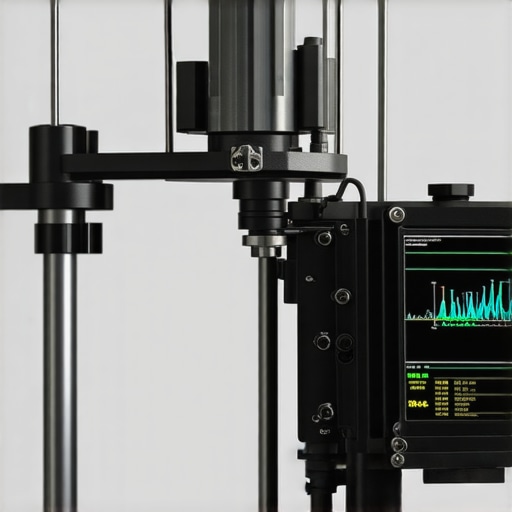
Integrating diverse sensor technologies—ground-penetrating radar, electromagnetic induction, and acoustic telemetry—enables comprehensive subsurface imaging that surpasses the limitations of individual systems. By fusing data from these modalities, operators gain a nuanced understanding of soil heterogeneity, groundwater presence, and embedded utilities, facilitating precise drilling trajectories and reducing the risks of bit sticking. These innovations represent a paradigm shift in underground diagnostics, supported by recent advancements outlined in industry white papers.
Optimizing Fluid Dynamics Through Computational Modeling
Fluid properties play a pivotal role in maintaining borehole stability. Cutting-edge computational fluid dynamics (CFD) models simulate slurry behavior within complex formations, guiding real-time adjustments to viscosity, flow rate, and pressure. This dynamic control counteracts soil adhesion, enhances cooling, and prevents formation-induced obstructions, leading to smoother drilling operations. Practitioners leveraging these models report significant improvements in operational efficiency, aligning with the latest technological breakthroughs discussed in industry journals.
Strategic Soil Stabilization as a Pre-Drilling Game Changer
Preemptive soil stabilization techniques—like chemical grouting, soil freezing, or controlled dewatering—alter challenging formations before drilling commences. These methods mitigate issues like swelling, collapsing, or excessive adhesion, thereby safeguarding equipment and ensuring steady progress. Recent field trials demonstrate that deliberate soil conditioning can dramatically decrease bit jamming incidents in notoriously problematic zones, as supported by authoritative geotechnical research.
What emerging sensor networks are proving most effective in real-time detection of subsurface anomalies that lead to bit seizure?
Wireless micro-sensor arrays deploying acoustic, vibrational, and electromagnetic sensing are rapidly gaining traction for their ability to deliver continuous, high-fidelity subsurface data. When integrated with machine learning algorithms, these sensors offer predictive insights into formation behavior, alerting operators to potential hazards days before critical failures occur. For an in-depth review of these innovations, consult recent publications in the Hydrovac and Vacuum Excavation Technologies Review.
Sharing knowledge about successful implementation strategies, challenges faced, and lessons learned from deploying these sensor networks can accelerate industry-wide adoption of smarter, safer drilling technologies, ultimately transforming underground infrastructure projects in 2026 and beyond.
Expert Insights & Advanced Considerations
Precision Data Collection Is Non-Negotiable
In challenging terrains, deploying multi-modal sensor fusion dramatically improves utility detection accuracy, enabling proactive decision-making and reducing costly strikes. Integrated high-fidelity sensor networks, combined with machine learning analytics, foster real-time insights crucial for modern hydrovac operations.
Preconditioning Soil Transforms Outcomes
Implementing targeted soil stabilization techniques like chemical grouting or controlled dewatering before drilling significantly decreases the risk of bit seizing and collapse. These practices improve borehole integrity and extend equipment lifespan in complex underground conditions.
Avoid Complacency with Elevated Monitoring
Advanced real-time monitoring systems—such as fiber optic Distributed Acoustic Sensing (DAS)—provide continuous subsurface feedback, empowering operators to anticipate failures before they occur. Continuous innovation in sensor technology remains key to safety and efficiency.
Synchronize Fluid Dynamics with Formation Characteristics
Leveraging computational fluid dynamics (CFD) models to tailor slurry properties ensures optimal lubrication and cooling, minimizing soil adhesion and mechanical stress on drill bits. Dynamic adjustments based on live data trace the evolution of optimal drilling conditions.
Adopt Adaptive Tactics for Complex Site Challenges
Variable-angle drilling and phased reaming techniques enable navigation through heterogeneous formations, reducing equipment wear and seizing incidents. Visualizing the subsurface with high-resolution imaging guides these adaptive strategies effectively.
Curated Expert Resources
- Journal of Geotechnical and Geoenvironmental Engineering – Offers the latest research on soil mechanics and fluid interactions critical for preventing bit seizing.
- Hydrovac and Vacuum Excavation Strategies – Industry-leading guide detailing innovative equipment integrations and operational tactics for safer excavations.
- Industry White Papers on Sensor Technologies – Provide in-depth analysis of emerging sensor arrays like fiber optic DAS and electromagnetic sensors to enhance utility detection and predictive maintenance.
- Case Studies on Soil Stabilization Methods – Showcase successful preconditioning techniques in challenging formations, emphasizing practical application and outcomes.
- AI and Machine Learning in Drilling Operations – Explore how predictive analytics revolutionize borehole stability assessments and operational foresight.
Final Expert Perspective
Achieving excellence in subsurface operations in 2026 hinges on integrating sophisticated data-driven approaches, soil preconditioning, and cutting-edge sensor technologies within a proactive safety framework. These advanced strategies elevate the precision and reliability of borehole and trenching projects, making them indispensable for the industry’s future. Engage with these insights, share your experiences, and continue pioneering smarter, safer underground techniques—your expertise contributes to shaping the next era of subterranean exploration.
Reading this article really highlights how essential real-time monitoring and adaptive strategies are for modern borehole operations. From my experience working on complex urban sites, integrating sensor array feedback with predictive analytics can make a huge difference in preventing equipment jamming issues. I’ve seen instances where early detection of torque spikes allowed us to adjust fluid flow on the fly, saving time and avoiding costly bit replacements. The part about using machine learning for stability assessment really resonated with me because it’s a game changer in predictive maintenance. Have you seen cases where combining geophysical surveys with real-time sensor data provided a more comprehensive picture of subsurface conditions? I believe that a multi-layered approach can elevate drilling safety and efficiency across various soil types.
This post provides some valuable insights into managing bit seizing by focusing on real-time adaptations and advanced sensor integration. In my recent projects involving complex soil conditions, I’ve found that pre-drilling geophysical surveys combined with continuous sensor data can significantly improve the accuracy of utility detection and subsurface characterization. Incorporating high-resolution imaging and real-time soil responsiveness monitoring often reveals hidden layers or unexpected groundwater pockets that could lead to seizing or drilling delays. One challenge I’ve faced is ensuring seamless communication between sensors and control systems, especially in saturated or rocky terrains. Has anyone here experimented with specific sensor fusion techniques to enhance predictive reliability? Sharing practical workflows or sensor setups that worked in challenging sites would be incredibly helpful, as it seems that combining these approaches is key to improving borehole stability and efficiency.