Drilling in Hard Clay? Use These 4 Borehole Fixes in 2026
Elevating Subsurface Detection with Cutting-Edge Trenching and Borehole Strategies
In the realm of underground construction and infrastructure development, the integration of sophisticated hydrovac and vacuum excavation techniques has transformed site preparation standards. Experts recognize that meticulous borehole creation and trenching are pivotal in minimizing utility strikes and ensuring project integrity. As the industry advances, operators are compelled to adopt innovative methodologies that blend precision, safety, and efficiency to meet the increasing complexity of underground environments.
Decoding the Nuances of Vacuum Excavation for Superior Utility Mapping
The application of borehole vacuum excavation techniques has emerged as a cornerstone in accurate infrastructure assessment. This process leverages high-pressure water or air to fragment soil, facilitating controlled removal and precise identification of subsurface utilities. The challenge resides in optimizing these methods to tackle varied soil compositions, especially in urban settings where compacted clay and debris complicate excavation efforts.
How Can Advanced Borehole Drilling Techniques Mitigate Hard Clay Challenges?
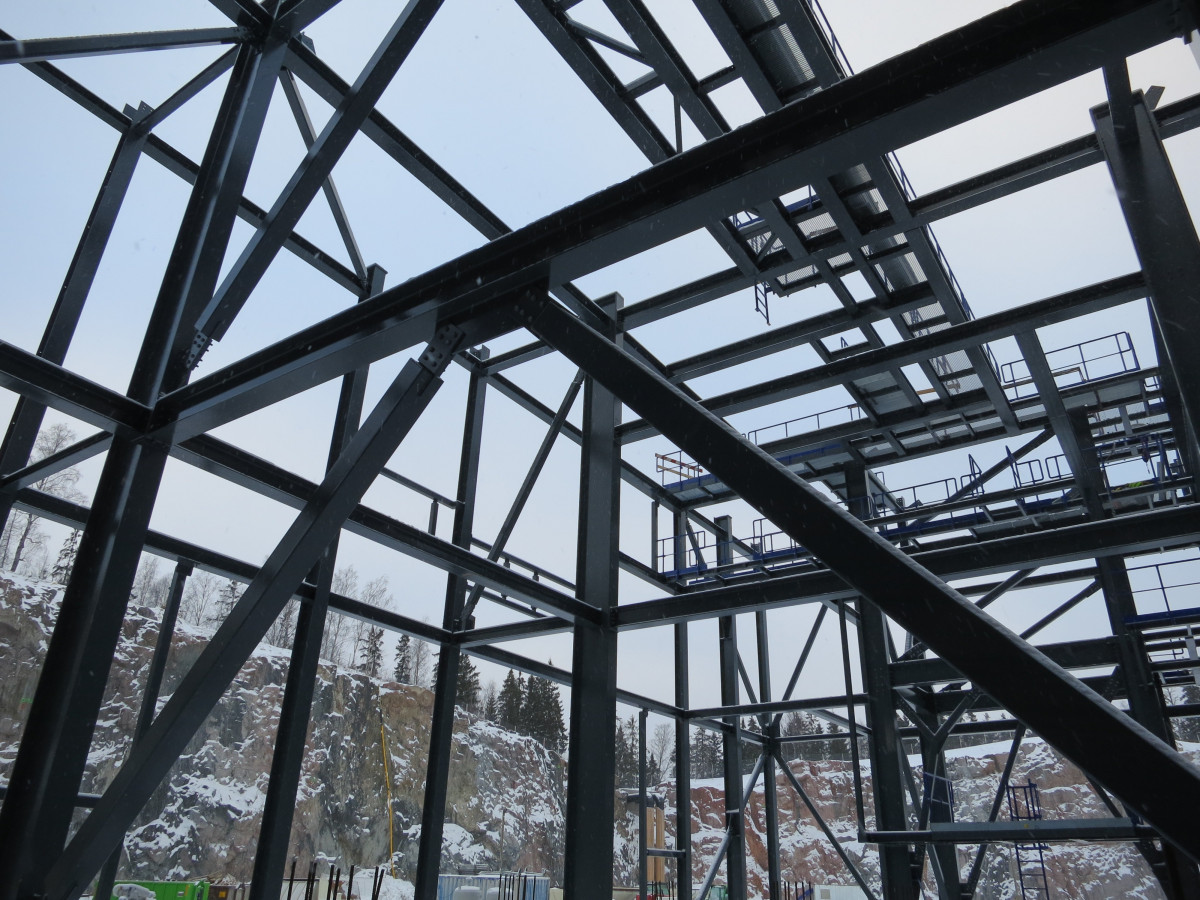
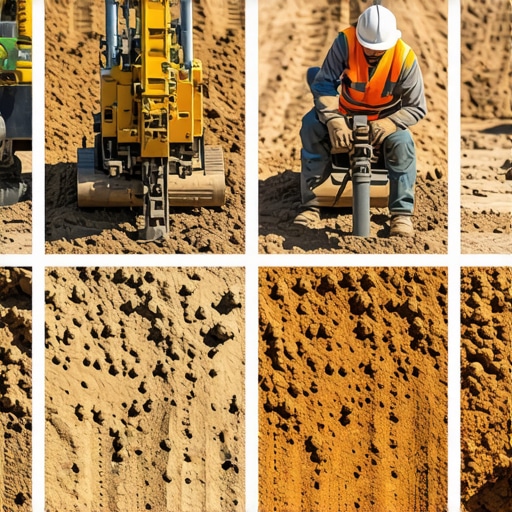
Manufacturers and field engineers are innovating borehole drills tailored for difficult soil conditions, such as dense clay. These solutions incorporate aggressive rotary mechanical systems combined with real-time soil analysis sensors, enabling operators to adapt drilling parameters dynamically. The integration of state-of-the-art borehole drilling techniques enhances penetration rates and minimizes soil disturbance, leading to safer and more reliable completion of boreholes in challenging substrates.
Enhancing Trenching Outcomes through Technological Innovation
Modern trenching methods focus on the synergy between mechanical excavation equipment and vacuum systems. Techniques such as trenching and borehole drilling methods now emphasize operator precision and soil stability, reducing environmental impact and utility damage risk. The deployment of GPS-guided trenchers facilitates accurate alignment and depth control, essential for critical infrastructure projects where precision is non-negotiable.
Is There a Unified Approach to Optimize the Synergy Between Boreholes and Trenches?
Creating a seamless workflow entails harmonizing borehole and trenching strategies through integrated planning and concurrent execution. This approach demands comprehensive site characterization, utilizing geotechnical data and 3D subsurface modeling, to inform equipment selection and process sequencing. Such coordination can significantly curtail project timelines and costs while reinforcing safety protocols—an assertion supported by recent case studies highlighting successful implementations across diverse urban environments.
What Are the Latest Innovations That Address Soil Heterogeneity in Borehole and Trenching Operations?
Emerging innovations include adaptive drilling systems equipped with soil analysis sensors and AI-driven control modules that automatically alter operational parameters in response to real-time data. Additionally, the adoption of hydrovac excavation innovations focused on soil stabilization and debris management further enhance the safety and reliability of underground work.
Professionals seeking to advance their understanding are encouraged to explore comprehensive industry analyses and contribute insights to this evolving domain. This continuous exchange fosters innovation, ultimately leading to safer, faster, and more accurate underground infrastructure development.
Leveraging Real-Time Soil Analysis for Precision Excavation
One of the transformative developments in underground site preparation is the integration of real-time soil analysis sensors into drilling and excavation equipment. These sensors provide immediate feedback on soil composition, moisture content, and density, empowering operators to adjust parameters dynamically for optimal performance. This proactive approach reduces soil disturbance, minimizes utility damage, and enhances safety, aligning with the insights shared by industry experts in hydrovac excavation best practices.
Can Artificial Intelligence Revolutionize Utility Detection and Site Safety?
Artificial intelligence (AI) algorithms are increasingly being employed to interpret data collected during excavation. Machine learning models analyze soil and utility detection signals to predict utility locations with heightened accuracy, significantly reducing the risk of strikes. This technological evolution facilitates a paradigm shift, where predictive analytics guide decision-making, minimize downtime, and improve overall site safety. For a comprehensive understanding of these advancements, professionals are encouraged to explore resources like vacuum excavation strategies for precise infrastructure.
How Do Integrated Planning and Digital Twin Technologies Elevate Underground Construction?
Integrated planning combines geotechnical data, 3D modeling, and digital twin simulations to create highly detailed virtual representations of subsurface conditions. These digital twins enable engineers to virtually test excavation strategies, identify potential issues, and optimize workflows before physical operations commence. The result is increased accuracy, shortened project timelines, and a significant boost in safety standards. Industry leaders suggest that adopting such innovations is key to future-proofing underground infrastructure projects, as highlighted in recent case studies.
What Practical Strategies Can Mitigate Soil Variability Challenges Effectively?
Addressing soil heterogeneity requires a multifaceted approach that includes adaptive machinery, comprehensive geotechnical surveys, and specialized excavation techniques. Combining these methods ensures operators can respond to unpredictable soil conditions without compromising safety or efficiency. Regular training on the latest adaptive technologies and continuous site monitoring further reinforce best practices, fostering an environment where innovation directly contributes to risk mitigation.
If you’re interested in exploring more about these advanced excavation techniques, sharing your experiences or questions can foster valuable industry dialogue. Stay proactive in adopting innovative solutions to push the boundaries of underground construction safety and reliability.
,
Transform Your Approach: Advanced Soil Stabilization for Precise Underground Work
As underground construction expands into more complex environments, the challenge of managing heterogeneous and unstable soils becomes a critical focal point. Innovative soil stabilization methods now offer engineers robust solutions to ensure safety, accuracy, and efficiency in excavation. This evolution in soil management transcends traditional techniques by integrating chemical, mechanical, and biological stabilization strategies tailored to specific subsurface conditions.
Harnessing Chemical Stabilizers to Overcome Complex Soil Conditions
One frontier in soil stabilization involves using chemical agents—such as cementitious binders, polymers, and emulsions—that penetrate soil matrices and improve their load-bearing capacity. For instance, lime stabilization effectively hardens clay-rich soils, minimizing swelling and shrinkage issues that jeopardize trench integrity. Similarly, polymer grouts offer rapid setting times, reducing project delays and dust dispersion. Precise application techniques, supported by in-situ testing and real-time monitoring, are essential to tailor chemical treatments for maximum efficacy without adverse environmental impacts.
Advances in Mechanical Stabilization: Reinforcing the Subsurface
Mechanical stabilization encompasses techniques like soil nailing, jet grouting, and geosynthetic reinforcement, which physically enhance soil stability. Soil nailing involves inserting steel bars into pre-drilled holes, creating a reinforced matrix that prevents collapse during excavation. The advent of remotely operated drilling rigs with adaptive control systems enables installation in confined or hazardous areas, expanding operational safety and precision. Moreover, hybrid approaches combining mechanical reinforcement with chemical agents are gaining recognition for fostering durable, long-term stability in challenging terrains.
Biological Solutions: Nature-Inspired Soil Fixation Strategies
Emerging research in biotechnical stabilization explores leveraging microorganisms—such as bacteria that precipitate calcite—to strengthen soils naturally. These bio-mediated techniques reduce reliance on chemical binders and mitigate environmental concerns. Pilot projects have demonstrated that bio-cementation can effectively stabilize loose sands and silts, making them suitable for trench beds and boreholes. Although still an evolving field, biological stabilization presents a sustainable and adaptive option for future underground projects facing unpredictable or sensitive soil conditions.
Integrating Multi-Method Stabilization for Optimal Results
The real power lies in combining strategies tailored to site-specific challenges. For instance, in urban environments with contaminated soils, chemical stabilization complemented by bio-based treatments can achieve deeper stabilization without disrupting existing infrastructure. Incorporating real-time geotechnical data, soil modeling, and AI-driven decision support systems enables engineers to select and adapt stabilization techniques dynamically, reducing downtime and enhancing safety margins. Such an integrated approach demands interdisciplinary expertise and advanced planning but offers unparalleled control over complex subsurface conditions.
What Are the Limitations and Precautions When Applying Soil Stabilization Techniques?
Every stabilization method presents potential risks—chemical leaching, environmental impacts, or unintended soil behavior. It’s crucial to conduct comprehensive environmental assessments, long-term performance testing, and to adhere to local regulations. For instance, excessive use of chemical stabilizers in water-saturated soils might cause ground subsidence or affect groundwater quality. Therefore, selecting the appropriate method involves balancing efficacy, sustainability, and site-specific constraints. Consulting with geotechnical experts and leveraging advanced modeling tools ensures that stabilization measures contribute positively to project outcomes.
If you’re seeking to push your underground excavation projects further, consider collaborating with specialists in soil mechanics and stabilization technologies. Continuous innovation and meticulous planning are your best allies in overcoming the most formidable subsurface challenges, ultimately leading to safer, more precise, and cost-effective infrastructure development.
Revolutionizing Subsurface Preparation with Adaptive Excavation Technologies
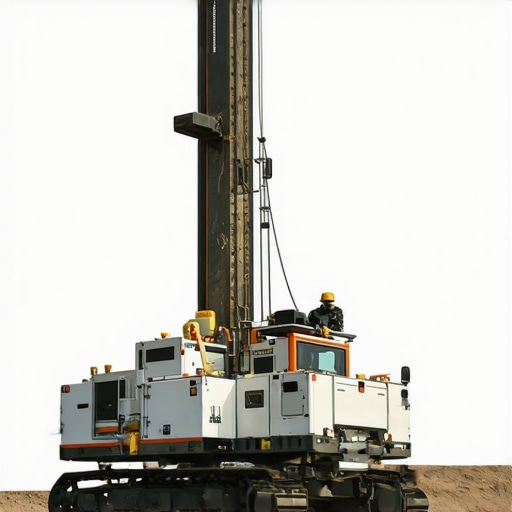
As underground construction projects venture into increasingly challenging terrains, the integration of adaptive excavation technologies becomes indispensable. These advanced systems leverage real-time data acquisition and dynamic control algorithms to respond instantaneously to heterogeneous soil conditions, minimizing risks associated with utility damage and ground instability. Recent developments in sensor-driven robotic excavation units exemplify this shift toward intelligent, self-adjusting operations that enhance both safety and efficiency.
How Does Multi-Sensor Data Fusion Enhance Subsurface Profiling?
Combining multiple sensing modalities—such as electromagnetic induction, ground-penetrating radar, and acoustic emission sensors—allows for a comprehensive and high-resolution characterization of subsurface heterogeneity. This multi-sensor data fusion facilitates precise delineation of utility lines, voids, and varied soil layers, informing more targeted excavation strategies. The synergy of these technologies results in a detailed 3D understanding, thereby reducing unforeseen encounters and subsequent delays.
Can Machine Learning Algorithms Predict Soil Behavior for Safer Excavations?
Machine learning models trained on extensive geotechnical datasets have demonstrated remarkable proficiency in forecasting soil responses to excavation stresses. By analyzing factors such as moisture content, particle size distribution, and previous excavation outcomes, these algorithms enable proactive decision-making. Industry reports, such as those from the American Society of Civil Engineers, highlight the predictive capabilities of such systems in preempting slope failures and utility strikes, reinforcing their value in sophisticated site management.
Applying Digital Twins to Simulate and Optimize Excavation Campaigns
Digital twin technology offers a virtual replica of the underground environment, integrated with real-time sensor inputs and geotechnical models. This simulation platform allows engineers to experiment with different excavation scenarios, assess potential hazards, and optimize workflows before physical deployment. By providing predictive insights and facilitating collaborative planning, digital twins significantly elevate the reliability and safety standards of subterranean operations—an approach supported by recent case studies from major urban infrastructure projects.
What Role Does Soil Modification Play in Enhancing Excavation Constancy?
Beyond stabilization, soil modification techniques—like grouting, chemical conditioning, and biological agents—serve to homogenize subsurface conditions, making excavation more predictable. For instance, injecting stiffening agents into loose sands can prevent inadvertent collapses and reduce equipment wear. These interventions, when precisely tailored and monitored through advanced geotechnical sensors, contribute to a controlled excavation environment that minimizes project timelines and cost overruns.
Adopt Cutting-Edge Excavation Practices for Future-Ready Infrastructure
To stay ahead in underground construction, stakeholders must embrace a holistic approach that combines technological innovation, rigorous site analysis, and interdisciplinary collaboration. This includes investing in AI-powered predictive maintenance, automated drill systems, and integrated control platforms that unify data streams for real-time operational adjustments. Collaborating with geotechnical experts and leveraging emerging research ensures that excavation strategies continually evolve to meet the demands of complex subsurface conditions, paving the way for safer, more efficient, and sustainable infrastructure development.
Expert Insights & Advanced Considerations
Prioritize Adaptive Technologies to Respond to Soil Variability
Implementing real-time sensor feedback and AI-driven controls enables excavation equipment to dynamically adjust to changing subsurface conditions, significantly reducing utility strikes and project delays. Embracing this adaptability ensures precision even in unpredictable soils.
Integrate Multi-Modal Sensing for Precise Subsurface Mapping
Combining electromagnetic, acoustic, and ground-penetrating radar sensors yields comprehensive 3D profiles of underground features, facilitating targeted excavation strategies and risk mitigation.
Refine Workflow Through Digital Twin Simulation
Developing virtual prototypes of excavation sites allows engineers to virtually test methods, anticipate challenges, and optimize sequencing—saving time and enhancing safety standards before physical operations commence.
Adopt Biological Stabilization to Enhance Sustainability
Leveraging microbial-induced calcite precipitation offers an eco-friendly alternative to chemical stabilization, especially in sensitive environments, combining performance with sustainability imperatives.
Enhance Project Resilience via Integrated Planning
Harmonizing geotechnical data, logistical coordination, and technological tools results in resilient workflows capable of addressing soil heterogeneity while safeguarding infrastructure integrity.
Curated Expert Resources
- Hydrovac Excavation Strategies for Precise Infrastructure: Offers comprehensive techniques to improve safety and accuracy in underground work, emphasizing modern innovations.
- Advanced Borehole Drilling Methods for Challenging Soils: Details recent advancements tailored for complex substrates such as dense clay or contaminated soils.
- Digital Twin Applications in Construction: Explores the integration of virtual modeling to optimize underground excavation workflows and safety standards.
- Bio-Stabilization Techniques for Sustainable Soil Management: Highlights emerging eco-friendly methods that leverage biological processes for soil stabilization.
- Multi-Sensor Data Fusion in Geotechnical Surveying: Discusses combining various sensing modalities to achieve high-resolution soil profiling.
Reconsidering the Foundations of Underground Excellence
In the realm of subsurface construction, the convergence of adaptive technology, precise mapping, and sustainable stabilization continues to redefine best practices. High-level expertise in hydrovac and vacuum excavation underscores the importance of dynamic responsiveness and integrated planning to meet the challenges of diverse soil conditions. To drive innovation forward, engaging with these leading resources and sharing your professional insights cultivates a smarter, safer underground construction environment. Your dedication to mastering these advanced strategies ensures your projects stand resilient amidst evolving complexities—don’t hesitate to contribute your experiences and explore further advancements.
This article highlights some fascinating developments in underground excavation technology. I’ve personally worked on projects where real-time soil analysis sensors made a huge difference in adapting to challenging conditions, especially when dealing with dense clay layers. The integration of AI-driven controls seems to be a game-changer for increasing safety and precision, particularly in urban environments with complex underground utilities. One challenge I’ve encountered is effectively training operators to interpret sensor data quickly during dynamic operations. Has anyone found particular training protocols that accelerate this learning curve? Also, I’m curious about how digital twin technology has practically impacted project timelines and cost savings — has anyone here seen measurable improvements? Overall, these innovations seem poised to make underground construction safer, faster, and more reliable. I look forward to seeing how these technologies evolve and are adopted more widely.
Reading through this article really underscores how technological integration is transforming underground construction, especially in tackling hard clay and complex soils. I’ve found that combining real-time soil sensors with adaptive drilling rigs not only improves accuracy but also significantly reduces rework and delays. It’s fascinating how soil stabilization methods are evolving with bio-engineering solutions gaining traction—something I’ve been exploring lately. Have any of you experimented with natural stabilization techniques such as microbial-induced calcite precipitation? I believe these eco-friendly methods could be game-changers in urban environments where chemical stabilization might pose environmental concerns.