Hydrovac & Vacuum Excavation Benefits for Safe Underground Works
Revolutionizing Subsurface Engineering with Hydrovac Technology
In the realm of underground infrastructure development, precision and safety are paramount. Hydrovac and vacuum excavation methods have emerged as game-changers, enabling engineers and contractors to access subsurface zones with unprecedented accuracy. This shift not only mitigates risks associated with traditional excavation techniques but also elevates operational efficiency by reducing downtime and costly damages.
The Synergy of Vacuum Excavation and Borehole Precision
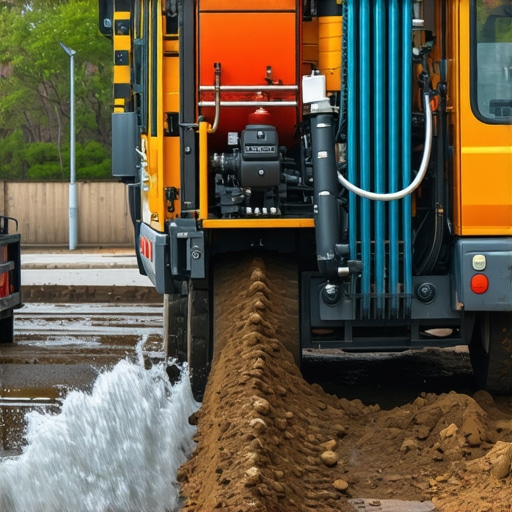
Implementing vacuum excavation in borehole and trenching tasks enhances the detection of existing utilities, such as gas lines, water pipes, and electrical conduits. The integration of this technology facilitates the creation of detailed utility maps, crucial for avoiding accidental strikes. Exploring effective borehole vacuum excavation strategies reveals how modern equipment adapts to complex soil conditions, delivering reliable results in challenging environments.
Advanced Safety Protocols Enabled by Hydrovac Solutions
Safety during underground works is no longer a mere consideration but a structured system supported by the strategic deployment of hydrovac solutions. By minimizing ground disturbance and reducing exposure to hazardous materials, these methods significantly lower the incidence of accidents. Industry leaders emphasize the importance of combining high-powered vacuum systems with precise water jetting techniques to achieve optimal safety margins while maintaining swift project timelines.
Why Does Ecological Impact Matter in Modern Excavation?
Environmental stewardship is increasingly influencing project planning. Hydrovac and vacuum excavation methods contribute to this paradigm shift by offering cleaner and less invasive alternatives to traditional digging, thus limiting soil disruption and preventing contaminant migration. This evolution aligns with broader sustainable practices, encouraging agencies and contractors to adopt greener solutions without compromising on efficiency.
How can experts optimize trenching procedures to match the precision of borehole excavations?
Adopting integrated operational protocols that combine real-time utility detection with advanced hydrovac techniques can elevate trenching accuracy. Regular equipment calibration, operator training, and continuous monitoring ensure that trenching meets the demanding standards required for critical infrastructure projects. For further insights, consult the strategic trenching and hydrovac methodologies that optimize site safety and reliability.
Professionals are encouraged to share their experiences and insights on evolving vacuum excavation practices by engaging with industry forums and white papers, reinforcing a culture of continuous improvement in subterranean construction safety and precision.
Unlocking New Potential in Subsurface Work with Cutting-Edge Techniques
As underground infrastructure demands evolve, so too must our excavation strategies. Integrating the latest borehole vacuum excavation methods allows professionals to achieve unparalleled accuracy and safety. These innovative approaches enable detailed utility detection even in complex soil environments, reducing the risk of costly errors and delays. Embracing such advanced strategies is essential to maintaining competitiveness and ensuring resilient infrastructure development in a rapidly changing landscape.
Precision and Safety: The Heart of Modern Excavation
Enhancing safety protocols through sophisticated hydrovac solutions involves more than deploying powerful equipment; it requires strategic planning. Combining real-time utility detection with AI-driven monitoring systems enhances situational awareness on-site, empowering crews to respond promptly to unforeseen underground obstacles. This integration minimizes ground disturbance, preserves existing utilities, and aligns with best practices highlighted in industry guides, such as hydrovac vacuum excavation strategies.
How Will Emerging Technologies Transform Borehole and Trenching Operations?
Emerging innovations—such as autonomous robotic drills, machine learning analytics, and enhanced material sensors—promise to revolutionize underground work. By leveraging these technologies, engineers can predict soil behavior, optimize excavation parameters, and adapt in real-time for maximum efficiency. This technological evolution raises an important question: Can these advancements fully replace traditional manual methods, or will hybrid approaches remain the gold standard for complex projects? For insights into implementing these advancements, consulting vacuum excavation and trenching best practices for 2025 provides valuable guidance.
If you’re interested in staying ahead of the curve and learning how to integrate these innovations into your workflows, join industry webinars and training sessions dedicated to the future of underground construction.
Harnessing AI-Powered Monitoring to Elevate Subsurface Safety
As technological integration deepens within underground excavation, the role of artificial intelligence (AI) and machine learning continues to redefine operational safety standards. Real-time AI-driven analytics can now predict potential utility strikes or ground collapses before they occur, based on continuous data streams from advanced sensors embedded in hydrovac equipment. This proactive approach not only mitigates risks but also enhances decision-making accuracy, ensuring crews can swiftly adapt to unforeseen subsurface anomalies.
What are the Limitations of Current AI Systems in Complex Soil Conditions?
Despite impressive advancements, AI systems face challenges when interpreting data in heterogeneous soil environments characterized by unexpected moisture levels, root intrusion, or soil compaction. These factors can generate false positives or obscure critical signals, demanding ongoing refinement of sensor algorithms and data models. According to a report by the International Journal of Soil Mechanics and Foundations Engineering, adaptive machine learning models are being developed to address such complexities, highlighting the collaborative trajectory between geotechnical science and AI development.
Integrating these sophisticated monitoring systems requires rigorous calibration, ongoing training for operators, and an understanding of the limitations inherent to the current technological paradigm. As industry leaders continue to invest in R&D, the fidelity of predictive safety tools is expected to improve, offering increasingly reliable support during critical operations.
Environmental Impact Reduction Strategies through Advanced Hydrovac Applications
Environmental stewardship in underground construction transcends basic compliance; it embodies a strategic commitment to long-term sustainability. Employing environmentally optimized water jetting techniques and biodegradable cleaning agents within hydrovac systems helps reduce ecological footprints. Additionally, precision excavation minimizes soil disturbance, decreasing the likelihood of contaminant dispersion and habitat disruption.
Further, innovative containment and filtration solutions integrated into hydrovac operations effectively manage groundwater and soil runoff, preventing pollutants from migrating beyond the project site. Collaborations with environmental scientists have led to the development of biodegradable foams and eco-friendly extraction mediums, setting new standards for green excavation practices.
This integrated approach aligns with the principles of sustainable development, illustrating that safety and environmental responsibility are not mutually exclusive but mutually reinforcing objectives in modern underground infrastructure projects. Stakeholders are urged to incorporate these strategies into their procedures, ensuring compliance with evolving regulations and community expectations.
Maximizing Utility Detection Through Multimodal Data Fusion
Accurate utility detection remains pivotal for safe and efficient excavation. Static sensing methods, while valuable, may falter in complex subterranean landscapes. The emerging frontier involves the fusion of multiple data modalities—combining electromagnetic surveys, ground-penetrating radar, and acoustic sensors with hydrovac real-time feedback. This synergistic approach enhances interpretative accuracy, providing a comprehensive utility map that accounts for soil heterogeneity and underground infrastructure intricacies.
Research by the IEEE Transactions on Geoscience and Remote Sensing underscores the benefits of data fusion algorithms that assimilate diverse sensor inputs, reducing false positives and improving localization precision. Integrating these insights into operational protocols ensures that excavation teams can confidently proceed, knowing they have a multidimensional understanding of the subsurface environment.
To optimize utility detection in challenging conditions, industry professionals should explore emerging software platforms that facilitate multimodal data integration, supported by continuous training modules to interpret complex datasets effectively.
An Invitation to Shape the Future of Subsurface Excavation
As innovations accelerate and new challenges emerge, the importance of collaborative knowledge exchange becomes even more vital. Industry leaders and practitioners are encouraged to participate in interdisciplinary forums, contribute case studies, and engage in pilot projects that test frontier technologies. Such engagement not only drives practical advancements but also helps set industry standards, ensuring that safety, efficiency, and ecological considerations evolve hand-in-hand.
Beyond Conventional Techniques: Pioneering New Horizons in Hydrovac Application
The evolution of hydrovac and vacuum excavation methodologies is driven by a relentless pursuit of precision, safety, and environmental stewardship. Cutting-edge innovations such as adaptive sensor arrays and AI-enhanced control systems empower operators to achieve unprecedented accuracy, especially in complex soil and utility landscapes. These advancements facilitate dynamic adjustments in real-time, elevating the efficacy of subsurface operations and minimizing unforeseen disruptions.
Interdisciplinary Synergies Elevating Utility Detection Capabilities
Marrying geophysical survey techniques with hydrovac systems opens a new frontier in underground utility mapping. Multidisciplinary collaborations leveraging electromagnetic induction, seismic reflection, and ground-penetrating radar are now integrated into real-time decision support tools, significantly reducing the incidence of utility strikes. For instance, software platforms that synthesize these data streams provide comprehensive, multilayered utility profiles—crucial for high-stakes infrastructure projects.
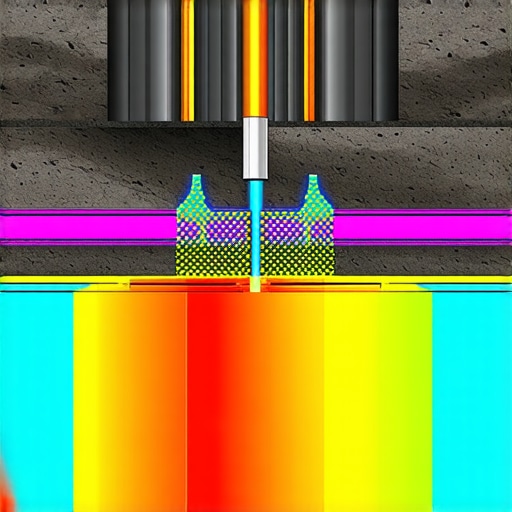
Image prompt:A high-tech underground utility detection system displaying multimodal sensor data fusion in a subterranean environment.
Climate-Resilient and Eco-Conscious Site Management
The incorporation of sustainable practices into hydrovac operations includes not only biodegradable cleaning agents but also innovations like solar-powered vacuum units and closed-loop water recycling systems. These measures are pivotal in reducing carbon footprints and conserving water resources, aligning with global climate resilience initiatives. By adopting such practices, contractors can meet stricter environmental regulations while maintaining operational excellence.
Unraveling Soil Behavior Dynamics for Enhanced Excavation Planning
Understanding the intricate behavior of variable soil types—ranging from cohesive clays to granular sands—is essential for optimizing hydrovac strategies. Advances in geotechnical modeling and sensor-driven soil assessment enable engineers to predict excavation challenges proactively. Employing machine learning algorithms trained on extensive soil datasets can forecast potential issues like soil collapse or groundwater influx, thereby informing the selection of bespoke excavation parameters.
Operational Automation and Remote Management
The advent of autonomous hydrovac units equipped with remote monitoring capabilities signifies a leap forward in underground construction. Automated systems with tactile feedback and adaptive algorithms can perform precise excavations with minimal human intervention, increasing safety and efficiency. Integrating these units into centralized control centers facilitates continuous oversight, enabling swift responses to emergent site conditions and reducing personnel exposure risks.
Engaging the Community and Regulatory Bodies in Technological Adoption
Transparency and stakeholder collaboration are paramount in deploying advanced excavation technologies. Demonstrating the environmental benefits and safety enhancements through detailed data reporting fosters trust among communities and regulatory agencies. Active engagement through demonstrations, pilot projects, and knowledge-sharing platforms accelerates acceptance and guides policy development aligned with technological progress.
Leadership in Innovation: Shaping Industry Standards and Practices
Industry leaders must champion ongoing R&D efforts, fostering partnerships with technology developers and academic institutions. Establishing benchmark standards for AI integration, sensor calibration, and eco-friendly operation ensures consistency and quality across projects. Participating in international forums and publishing case studies conveys expertise, influences regulations, and pushes the boundaries of what is feasible in underground construction.
Partnering for the Future: Collaborative Strategies in Subsurface Engineering
Progressing beyond isolated technological adoption, forming strategic alliances with interdisciplinary teams enables a holistic approach to underground operations. These collaborations facilitate knowledge exchange, streamline workflows, and foster innovation. Embracing and shaping the future landscape of hydrovac applications requires a proactive stance—one that prioritizes continuous learning, technological agility, and environmental responsibility—ensuring resilient infrastructure development amidst evolving challenges.
Expert Insights That Elevate Underground Work
Embrace Adaptive Technologies for Dynamic Soil Conditions
Leveraging real-time sensor data and machine learning models enables operators to respond swiftly to unexpected subsurface variations. Integrating adaptive control systems enhances accuracy and reduces risks associated with heterogeneous soils.
Prioritize Environmental Innovation to Lead Sustainability
Implement eco-friendly water management, biodegradable agents, and renewable energy sources like solar-powered vacuums. These practices demonstrate environmental responsibility and align with industry standards for sustainable development.
Incorporate Multimodal Data Fusion for Enhanced Utility Detection
Combine electromagnetic, seismic, and ground-penetrating radar data streams with hydrovac feedback to create comprehensive utility maps. This multimodal approach minimizes utility strikes and improves excavation reliability.
Refine Soil Behavior Models with Geotechnical Collaboration
Partnering with geotechnical specialists allows for detailed soil modeling, leading to tailored excavation strategies that adapt to unique ground conditions and mitigate collapse or groundwater challenges.
Automate Operations with Autonomous Equipment
Deploying robotic hydrovac units with remote monitoring streamlines workflows, minimizes personnel exposure, and ensures consistent execution in complex environments.
Resources That Drive Expertise Forward
- National Institute for Certification in Engineering Technologies (NICET)—Offers comprehensive certification programs and technical standards for underground excavation professionals.
- International Journal of Soil Mechanics and Foundations Engineering—Provides cutting-edge research on soil behavior and geotechnical advances relevant to hydrovac operations.
- IEEE Transactions on Geoscience and Remote Sensing—Features innovative methods for data fusion and sensor technology applicable in utility mapping.
- Green Building Councils and Sustainable Infrastructure Guidelines—Help integrate eco-conscious practices within excavation projects.
Harnessing Innovation for Future-Ready Excavations
The evolution of hydrovac and vacuum excavation hinges on embracing technological breakthroughs that reinforce safety, precision, and ecological stewardship. By adopting proactive strategies like multimodal data integration and autonomous systems, professionals can achieve unparalleled operational excellence. Now is the moment to deepen your expertise and contribute to setting new industry standards—your insights and initiatives shape the future of underground construction. Dive into existing resources, participate in industry dialogues, and lead the charge toward safer, smarter excavation practices.
I found the emphasis on integrating advanced technologies like AI monitoring and multimodal data fusion particularly insightful. In my experience on a recent project, combining ground-penetrating radar with electromagnetic surveys significantly improved the accuracy of utility detection, especially in complex urban environments. The proactive use of AI to predict potential ground collapses also proved invaluable, reducing unexpected hazards and enhancing safety. It’s exciting to see how these innovations are not just theoretical but practically transforming underground excavation. However, I wonder about the challenges smaller firms face in adopting such high-tech solutions—are there scalable approaches or cost-effective alternatives that still deliver these safety and precision benefits without requiring massive investments? I believe that as technology becomes more accessible, such practices could become industry standards across projects of all sizes, greatly improving safety and efficiency in underground work.