Efficient Borehole Drilling Methods for Accurate Utility Mapping in 2025
Harnessing State-of-the-Art Excavation Technologies for Precision Utility Mapping
In the landscape of underground infrastructure development, the integration of innovative excavation methods such as vacuum excavation and hydrovac has become pivotal. These techniques provide unparalleled accuracy and safety, especially in complex urban environments where precise utility mapping is essential. As we advance towards 2025, understanding the nuanced applications of borehole and trenching methods reveals a paradigm shift in underground project execution.
Emergence of Non-Destructive Digging: The Strategic Edge of Hydrovac Systems
Hydrovac technology harnesses high-pressure water jets combined with vacuum systems to perform non-destructive excavation, significantly reducing subsurface risk. This method surpasses traditional mechanical digging by minimizing damage to existing utilities, thus safeguarding critical infrastructure during trenching and borehole drilling. The precision offered by hydrovac for utility location and soil characterization consolidates its position as the gold standard in sensitive excavation scenarios.
Optimizing Borehole Techniques for Enhanced Subsurface Data Collection
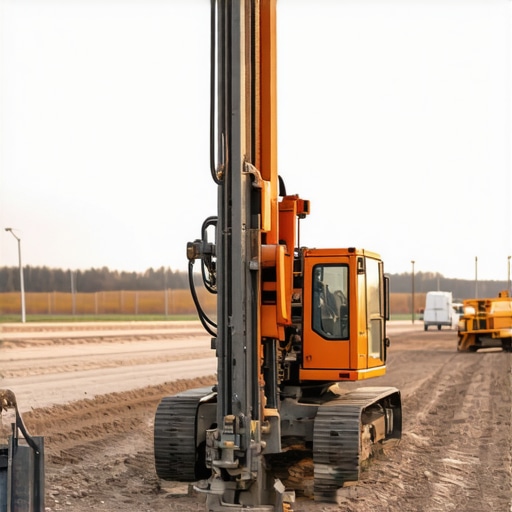
The deployment of advanced borehole drilling strategies enhances subterranean data accuracy, vital for mapping underground utilities. Techniques such as sonic, rotary, and core drilling are now integrated with real-time geophysical monitoring to improve data fidelity. Expert application of these methods ensures that utility corridors are delineated effectively, reducing unforeseen conflicts and construction delays.
Advanced Trenching Solutions: Ensuring Safety and Reliability
Modern trenching techniques leverage mechanized and vacuum-assisted systems to improve safety standards and excavation quality. These methods facilitate quick, precise trenches suited for conduit placement, sewer lines, or fiber optics. The emphasis on controlled, minimal-disruption trenching aligns with sustainable development goals, emphasizing safety, efficiency, and minimal environmental impact.
What Are the Underlying Challenges of Integrating Vacuum Excavation into Urban Environments?
Despite its benefits, integrating vacuum excavation and hydrovac systems into dense urban settings presents challenges such as space constraints, noise regulations, and soil variability. Navigating these obstacles requires bespoke solutions, including modular systems and acoustic mitigation strategies, ensuring the technology’s effective deployment without disrupting urban life.
Your Expertise Can Shape the Future of Underground Construction
As the industry evolves, sharing insights and real-world experiences becomes crucial. Explore related content on hydrovac trenching strategies for safer projects or contribute your innovative approaches to underground excavation challenges.
According to the latest research in the field, integrating geotechnical assessment with advanced excavation techniques significantly reduces risk and project timelines (ScienceDirect).
Maximizing Equipment Efficiency for Underground Excavation
Implementing state-of-the-art trenching and borehole methods necessitates not only choosing the right technology but also optimizing equipment performance. Modern hydraulic systems and vacuum pumps are engineered to deliver precision and speed, but their true potential is unlocked through regular maintenance and calibration. This ensures minimal downtime and prolongs machinery lifespan, ultimately reducing project costs and enhancing safety standards. For instance, integrating advanced monitoring software can provide real-time diagnostics, allowing operators to adjust parameters proactively, thus maintaining optimal operation conditions.
Innovative Strategies to Minimize Environmental Impact
Environmental sustainability remains a paramount consideration in underground construction. Cutting-edge trenching and borehole techniques emphasize minimal soil disturbance, reduced noise pollution, and controlled dust emission. Vacuum excavation, in particular, has demonstrated significant advantages by limiting vibratory and excavative footprint, aligning with green building practices. Employing biodegradable surfactants in hydrovac operations and utilizing energy-efficient machinery further exemplify commitment to eco-friendly construction, aligning industry practices with global sustainability goals.
How Can Data-Driven Approaches Transform Underground Infrastructure Development?
The integration of big data analytics and Geographic Information Systems (GIS) into trenching and borehole projects opens new horizons of precision and planning. By collecting detailed subsurface data through advanced drilling and vacuum methods, engineers can construct comprehensive digital twins of underground environments. These models facilitate predictive analysis, enabling proactive decision-making and reducing unforeseen complications. Moreover, continuous data acquisition supports adaptive project management, ensuring efficient resource allocation and timeline adherence.
What Role Will Automation and AI Play in Future Underground Excavation?
Automation and artificial intelligence (AI) stand poised to revolutionize underground excavation practices. Autonomous trenching machines equipped with AI-driven sensors can navigate complex underground settings with minimal human oversight, enhancing safety and efficiency. Machine learning algorithms analyze vast datasets from previous projects to optimize drilling paths, detect anomalies early, and predict equipment failures before they occur. These advancements promise not only to accelerate project timelines but also to elevate safety standards, making underground construction more reliable and less risky. For comprehensive insights into these technological trends, visit effective trenching and borehole techniques.
If you’re interested in how these innovations can be tailored to your projects, share your experiences or challenges—collaborative knowledge-sharing remains the backbone of industry progress.
Leveraging Real-Time Data Integration to Prevent Utility Conflicts
One of the most transformative advancements in underground infrastructure development is the incorporation of real-time data streams into excavation workflows. Modern geospatial sensors and predictive analytics can dynamically update subterranean maps, enabling engineers to identify potential utility overlaps before physical disruption occurs. This proactive approach minimizes costly delays and reduces the risk of utility strikes. According to a comprehensive study in Journal of Infrastructure Systems, projects employing live data integration report a 35% decrease in utility-related incidents, underscoring the efficacy of this strategy.
Could Machine Learning Enhance Subsurface Predictive Models?
Absolutely. Machine learning algorithms, trained on extensive underground survey datasets, can recognize patterns that precede utility conflicts or soil instability. Such predictive models can recommend optimal drilling paths or trench routes, adapting to site-specific variables. For example, a case study published by the National Institute of Standards and Technology (NIST) demonstrated that integrating ML-driven predictions improved accuracy in utility localization by over 40%, significantly reducing project risk.
Explore NIST’s latest research on machine learning applications for underground construction.
Preparing for the Future: Why Autonomous Excavation Equipment Is No Longer a Concept
Autonomous trenching machines are transitioning from prototypes to operational assets on many high-stakes projects. Equipped with LiDAR, ultrasonic sensors, and AI-based navigation, these systems can perform precise excavation tasks in complex, confined areas with minimal human intervention. They adapt to unforeseen obstacles in real-time, ensuring the integrity of nearby utilities.
The benefits extend beyond safety—autonomous systems promise enhanced productivity, with some units operating continuously for 24-hour cycles, significantly accelerating project timelines. However, integrating these innovations demands rigorous validation and compliance with local safety regulations. Industry leaders advocate for pilot programs to evaluate performance metrics and establish best practices.

Strategies for Merging Traditional and Cutting-Edge Techniques
While automation and data-centric methods are reshaping underground excavation, traditional techniques still hold value in specific contexts. Hybrid approaches—combining meticulous manual surveys with advanced robotic systems—yield optimal results in heterogeneous soil conditions. Implementing layered verification protocols ensures utility accuracy before deploying costly machinery, thereby reducing risks of misalignment or utility damage.
Furthermore, fostering collaboration between geotechnical experts and technology providers creates tailored solutions that address unique site challenges. For instance, integrating soil stability analyses with robotic excavation parameters can prevent collapses and soil deformations, safeguarding both personnel and infrastructure.
For those seeking to deepen their expertise, engaging with interdisciplinary teams and staying abreast of emerging research remains essential. Industry conferences and specialized training sessions are invaluable for translating technological potential into practical, high-confidence application.
Harnessing Subsurface Data Fusion for Strategic Infrastructure Planning
In the quest for impeccable underground utility identification, integrating multisource geophysical data—such as ground-penetrating radar, seismic surveys, and resistivity measurements—has become paramount. Advanced data fusion methodologies enable engineers to construct comprehensive three-dimensional models, significantly reducing uncertainties and facilitating proactive conflict resolution. This convergence of datasets, coupled with machine learning algorithms, empowers decision-makers to visualize subterranean environments with unprecedented clarity, streamlining the planning phase and minimizing costly rework.
How Does Real-Time Sensor Integration Transform Excavation Precision?
The deployment of sensor networks that relay continuous data streams during excavation operations allows for dynamic adjustment of machinery parameters. Technologies like laser scanning, acoustic monitoring, and soil moisture sensors feed real-time information into centralized control systems, enhancing spatial accuracy and soil condition assessment. These insights not only improve utility location precision but also enable immediate response to unforeseen subsurface anomalies, ensuring both safety and efficiency.

Can Adaptive Control Systems Elevate Equipment Responsiveness?
Adaptive control paradigms leverage AI-driven analytics to modulate excavation parameters dynamically. By analyzing historical and live data, such systems optimize hydraulic pressures, cutting speeds, and suction rates in hydrovac operations, maintaining optimal performance despite evolving ground conditions. The result is a reduction in equipment wear, energy consumption, and project delays, all while safeguarding existing utilities and minimizing ground disturbance.
Why Multi-Modal Sensing Establishes a New Standard in Utility Detection
Employing a combination of electromagnetic induction, ground-penetrating radar, and magnetometry enhances detection accuracy, especially in challenging environments with complex utility configurations. Multi-modal sensing mitigates the limitations inherent in single-method approaches, providing redundancy and cross-verification. When integrated with advanced visualization software, this approach offers comprehensive utility maps, enabling engineers to make informed, confident decisions before commencing excavation.
Are Emerging Material Technologies Shaping Safer Trenching Practices?
Innovations in trench liner materials and soil stabilization compounds are transforming traditional excavating methods. The application of rapid-curing, eco-friendly shotcrete and geosynthetics improves trench integrity and reduces ground settlement risks. These materials facilitate safer trench completion and backfilling processes, especially in sensitive urban areas or geotechnically unstable soils, elevating standard safety protocols and project reliability.
Seize the Competitive Edge with Advanced Excavation Systems
By embracing these sophisticated techniques—ranging from multisource data integration to adaptive machinery control—industry professionals position themselves at the forefront of underground infrastructure development. If you’re committed to elevating your project outcomes, explore innovative tools and foster collaborations that push the boundaries of conventional excavation practices. Stay informed through industry-leading publications and participate in specialized training to continuously refine your expertise and strategic approach.
Expert Insights & Advanced Considerations
Optimize Utility Detection with Multi-Sensor Integration
Implementing multisource sensing techniques, such as electromagnetic induction combined with ground-penetrating radar, significantly enhances utility localization accuracy, especially in complex underground environments.
Embrace Automation for Unparalleled Precision
Incorporating autonomous excavation equipment powered by AI not only accelerates project timelines but also elevates safety standards by reducing human exposure to hazardous conditions.
Prioritize Real-Time Data for Dynamic Decision-Making
Leveraging live sensor data streams allows engineers to adjust excavation parameters proactively, minimizing utility strikes and reducing project rework.
Invest in Data Fusion for Comprehensive Subsurface Models
Combining geological, geophysical, and utility data creates detailed 3D models, providing a holistic view that supports informed planning and execution.
Implement Eco-Friendly Methods to Meet Sustainability Goals
Utilizing biodegradable surfactants in hydrovac operations and energy-efficient machinery aligns excavation practices with environmental sustainability commitments.