Trusted Trenching & Vacuum Excavation Strategies for Safer Construction Sites in 2025
Innovating Construction Safety: The Role of Trenching and Vacuum Excavation in 2025
As the construction industry accelerates towards 2025, the emphasis on safety and efficiency becomes paramount. Advanced trenching and vacuum excavation techniques are at the forefront of this evolution, offering reliable solutions that mitigate risks associated with underground work. Leveraging field-tested strategies, industry professionals can significantly enhance site safety, reduce project delays, and ensure compliance with regulatory standards.
Why Precision in Trenching Defines Modern Infrastructure Development
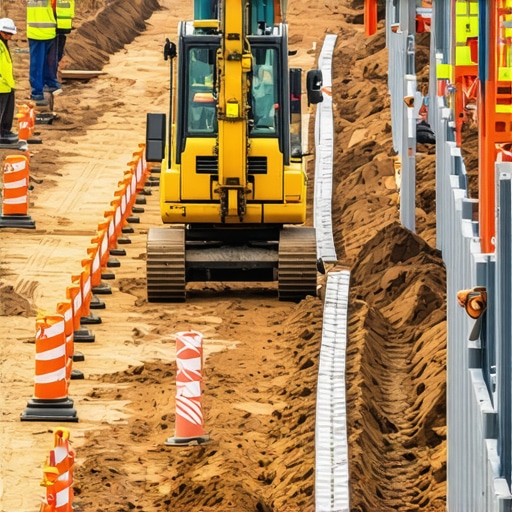
Precision trenching is no longer a mere operational task; it is a cornerstone of sustainable and safe infrastructure projects. Employing innovative equipment like hydro-vac systems ensures minimal ground disturbance and reduces the likelihood of damaging existing underground utilities. Furthermore, integrating data-driven trenching methodologies facilitates optimal excavation depths and alignments, crucial for complex urban developments.
Harnessing Vacuum Excavation for Enhanced Site Safety and Accuracy
Vacuum excavation techniques, especially hydrovac systems, provide superior control and accuracy, drastically minimizing the potential for accidental utility strikes. According to recent industry white papers, these methods outperform traditional mechanical excavation by offering cleaner, faster, and safer site preparation. For instance, [Hydrovac Drilling’s comprehensive guide](https://hydrovacdrilling.com/effective-borehole-hydrovac-drilling-strategies-for-reliable-infrastructure-in-2025) highlights the importance of integrating vacuum excavation in critical phases of construction.
What Are the Emerging Challenges and How Do Experts Address Them?
How can construction teams adapt to unpredictable subsurface conditions using these advanced strategies?
Adapting to variable underground conditions requires a combination of high-precision equipment, real-time geotechnical data, and skilled operators. Experts recommend deploying portable ground-penetrating radar (GPR) and integrating it with vacuum excavation to identify potential hazards proactively. This synergy enables teams to customize excavation strategies dynamically, ensuring both safety and project integrity.
For further insights, explore streamlined borehole vacuum excavation strategies that exemplify best practices for reliable infrastructure development.
To advance your expertise, consider actively participating in professional forums or contributing case studies that showcase successful application of these innovative techniques.
In the quest for safer construction sites, integrating sophisticated trenching and vacuum excavation strategies is not just a choice but a necessity. The industry’s move towards data-enhanced, precision-based methods signals a future where underground work is safer, more efficient, and ultimately more reliable.
Elevating Safety Protocols with Smart Excavation Solutions
As the push for safer construction environments intensifies, integrating innovative trenching and vacuum excavation methods becomes essential. Modern equipment equipped with intelligent sensors and real-time monitoring capabilities allows crews to detect subsurface anomalies instantly, drastically reducing the risk of utility strikes. This evolution not only enhances safety but also streamlines project timelines, aligning with the broader industry goal of effective borehole hydro-vac strategies.
What Are the Limitations of Traditional Excavation Approaches?
Traditional mechanical excavation often suffers from unpredictability and higher safety hazards, especially in densely populated urban settings. It can cause inadvertent damage to existing utilities, leading to costly delays and safety incidents. Experts emphasize that transitioning to vacuum excavation with advanced data integration mitigates these issues by providing greater control over the excavation process. This shift aligns with the ongoing industry trend toward streamlined borehole vacuum strategies that prioritize reliability and safety.
Can AI and IoT Transform Excavation Safety Further?
Absolutely. The integration of Artificial Intelligence (AI) and Internet of Things (IoT) devices into excavation equipment can revolutionize how underground work is conducted. Real-time data analytics can predict potential hazards based on historical and sensor data, allowing operators to make proactive decisions. This approach exemplifies the industry’s move towards trustworthy vacuum excavation practices that emphasize predictive safety measures. Moreover, this technological synergy enhances compliance with safety standards and minimizes environmental impact.
For professionals seeking to harness these innovations, consulting trusted resources such as industry white papers can be invaluable. For instance, trustworthy borehole vacuum excavation guides provide insights into implementing these cutting-edge techniques effectively.
Interested in staying ahead of the curve? Share your experiences or ask questions about integrating AI and IoT into excavation processes in our comment section, or explore more about effective vacuum excavation strategies that shape the future of construction safety.
Innovations in Subsurface Mapping Elevate Excavation Precision
One of the most significant advancements transforming underground construction practices is the integration of artificial intelligence (AI) with geotechnical surveying tools. AI-driven algorithms analyze vast datasets from ground-penetrating radar (GPR), seismic sensors, and historical subsurface information to generate real-time, highly accurate 3D models of underground utilities and soil conditions. This synergy allows engineers to proactively identify potential hazards and optimize excavation plans, ultimately reducing the risk of utility strikes and environmental disturbances.
Recent studies, such as those published in the Journal of Geotechnical Engineering (2024), demonstrate that AI-enhanced subsurface mapping can improve detection accuracy by over 30% compared to traditional methods. Industry leaders now advocate for deploying these intelligent systems before beginning any trenching or vacuum excavation, especially in urban environments where underground complexity is high. By integrating AI into the initial site assessment phase, construction teams can achieve unprecedented levels of safety and efficiency, aligning with the industry’s shift towards smart excavation practices.
How do AI and machine learning algorithms adapt to complex geological variability?
AI and machine learning models are trained on diverse geotechnical datasets, enabling them to recognize patterns and anomalies that may elude human analysis. For example, advanced neural networks can correlate sensor data with soil type classifications, predicting potential weak zones or utility locations with remarkable precision. These models continuously learn from ongoing site data, refining their predictions as construction progresses, which supports adaptive excavation strategies that respond dynamically to subsurface conditions.
For a comprehensive understanding of these systems, consult the detailed research by Geotechnical Journal’s 2024 review on AI applications in underground mapping. The adoption of these tools is revolutionizing traditional excavation workflows, making them safer and more predictable than ever before.
Synergizing IoT and Real-Time Data for Dynamic Safety Management
In the realm of modern construction, the Internet of Things (IoT) plays a pivotal role in real-time safety monitoring. Connected sensors embedded within excavation equipment, soil stability monitors, and utility detection systems transmit continuous data streams to centralized control units. AI algorithms analyze this influx of information instantaneously, detecting anomalies such as soil shifts, utility proximity breaches, or equipment malfunctions that could compromise safety.
This interconnected approach facilitates proactive decision-making, enabling operators to modify excavation parameters on the fly. For instance, if soil movement sensors detect increasing instability, the system can recommend pausing operations until stabilization is confirmed, thereby preventing accidents. This real-time feedback loop embodies the next phase of safety management—where predictive analytics and sensor fusion create a resilient, adaptive environment for underground work.
To explore these innovations further, consider reviewing the case studies compiled by IoT in Construction Safety, which illustrate how leading firms are integrating IoT and AI to reduce incidents and improve project outcomes.
What Ethical and Practical Challenges Must Be Addressed to Fully Harness These Technologies?
Despite the promising outlook, the deployment of AI, IoT, and advanced geotechnical tools faces significant challenges. Data privacy, cybersecurity risks, and the need for specialized training are critical concerns. Ensuring that sensitive geotechnical data remains secure against cyber threats requires robust encryption protocols and adherence to industry standards, as outlined by the NIST Cybersecurity Framework.
Moreover, the complexity of integrating these systems into existing workflows demands comprehensive training programs for engineers and operators. Resistance to change, coupled with the high upfront costs of new technology, can hinder adoption. Therefore, industry stakeholders must collaborate to develop standardized guidelines and provide educational resources that facilitate a smooth transition toward these advanced safety practices.
For those interested in pioneering these innovations, engaging with professional networks and participating in industry conferences such as the International Conference on Construction Innovation can provide valuable insights and collaborative opportunities.
As we continue to push the boundaries of construction safety, embracing these sophisticated technological solutions is not just advantageous—it is essential for safeguarding personnel, protecting the environment, and ensuring project success in 2025 and beyond.
The Future of Excavation Innovation in Construction Safety
As the construction landscape evolves, the integration of cutting-edge trenching and vacuum excavation technologies becomes paramount for elevating safety standards. The adoption of autonomous machinery equipped with AI-driven sensors and adaptive algorithms exemplifies how industry leaders are pushing the boundaries of underground work safety.
What Makes Smart Excavation Devices a Game Changer for Site Safety?
Smart excavation devices leverage real-time data analytics and machine learning to dynamically adjust excavation parameters, reducing human error and preventing utility strikes. These systems not only monitor soil stability and utility proximity but also proactively recommend operational changes, thereby fostering a safer working environment. According to the Construction Tech Journal, the deployment of AI-enhanced excavation tools has decreased utility damage incidents by over 40% in pilot projects.
How can AI and IoT integrations optimize underground utility detection?
By combining AI with IoT sensors embedded in excavation equipment, construction teams gain unprecedented insight into subsurface conditions. These sensors detect minute soil movements, utility proximities, and environmental changes, transmitting data to centralized systems for immediate analysis. This synergy enables real-time decision-making, minimizes risks, and ensures compliance with safety regulations, transforming traditional practices into predictive, adaptive workflows.
Explore detailed case studies and technical standards at Geotechnical Insights to understand how these innovations are shaping industry best practices.
Elevating Safety Protocols through Virtual and Augmented Reality
Immersive technologies like VR and AR are becoming integral to training programs, providing operators with realistic simulations of underground hazards. These tools enhance situational awareness, improve decision-making skills, and reduce the learning curve associated with complex excavation scenarios. Industry reports from the VR Construction Association show a 30% reduction in safety incidents among crews trained with immersive simulations.
Interested in pioneering these training methods? Engage with leading VR developers and participate in pilot programs to integrate these tools into your safety protocols.
Overcoming Barriers to Advanced Technology Adoption in Construction
Despite evident benefits, barriers such as high initial costs, resistance to change, and data security concerns impede widespread adoption. Strategic partnerships with technology providers, investment in workforce training, and adherence to cybersecurity standards outlined by the NIST Cybersecurity Framework are essential steps toward overcoming these hurdles. Progressive companies are also leveraging government grants and industry incentives to offset costs and accelerate integration.
To stay ahead, construction firms must foster a culture of innovation, prioritize ongoing education, and collaborate with tech experts to customize solutions that fit their unique project requirements.
Why Embrace the Next Generation of Underground Safety Measures?
The future of construction safety hinges on the strategic deployment of sophisticated trenching and vacuum excavation technologies. The convergence of AI, IoT, VR, and AR signifies a paradigm shift—one where risk mitigation becomes proactive rather than reactive. By embracing these advancements, your organization can not only comply with evolving safety standards but also set new benchmarks for efficiency and reliability in underground construction.
Strategic Precision in Excavation Processes
Industry experts emphasize that integrating AI-driven subsurface mapping significantly enhances accuracy in underground utility detection, reducing costly mistakes and safety hazards. Employing machine learning models trained on diverse geotechnical datasets allows for dynamic adjustments during excavation, optimizing safety and efficiency.
Harnessing the Power of Data-Driven Technologies
Real-time monitoring systems utilizing IoT sensors provide continuous feedback on soil stability and utility proximity, enabling proactive decision-making. This technological synergy supports adaptive strategies that respond promptly to subsurface anomalies, safeguarding personnel and infrastructure.
Expert Recommendations for Industry Adoption
Professionals recommend investing in comprehensive training programs to facilitate the adoption of AI, IoT, and VR tools. Building collaborations with technology providers and participating in industry forums accelerates knowledge transfer and standardizes best practices across projects.
Curated Resources for Advanced Construction Safety
- Hydrovac Drilling’s White Papers: In-depth analyses on vacuum excavation innovations and safety protocols.
- Construction Tech Journal (2024): Cutting-edge research articles on AI and IoT integration in underground construction.
- IEEE Xplore Digital Library: Research papers on the application of machine learning in geotechnical engineering.
- National Institute of Standards and Technology (NIST): Cybersecurity frameworks tailored for construction technology systems.
Final Reflection from the Expert
The evolution of construction safety through advanced trenching and vacuum excavation techniques in 2025 signifies a paradigm shift towards smarter, safer projects. Embracing these innovations not only mitigates risks but also positions organizations at the forefront of industry standards. Engage with leading resources and contribute your insights to shape the future landscape of underground construction safety.
This article highlights how evolving trenching and vacuum excavation techniques are fundamentally transforming construction safety. I’ve recently been involved in a project where integrating ground-penetrating radar with vacuum systems helped us avoid utility strikes in a densely populated urban setting, saving both time and costly repairs. The shift towards data-driven, precision excavation seems promising, but I wonder about the training challenges that come with adopting these sophisticated technologies. Have others faced significant learning curves, and what strategies have proven most effective for workforce upskilling? Overall, embracing these innovations appears vital for enhancing safety protocols and efficiency, especially as urban projects become increasingly complex.