Trenching & Hydrovac Techniques for Safer Construction in 2025
The Evolution of Trenching and Hydrovac Techniques in Modern Construction
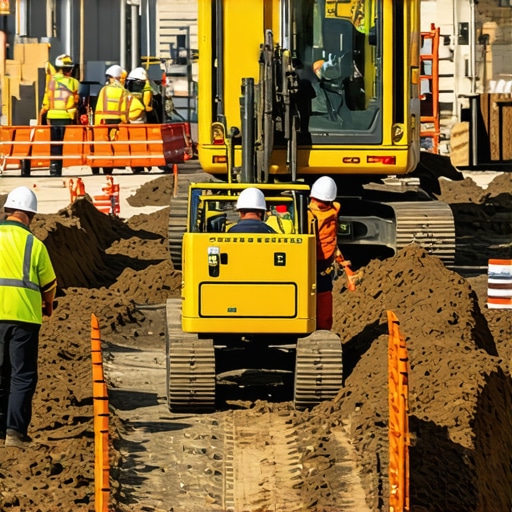
As the construction industry advances toward enhanced safety and efficiency, the integration of sophisticated trenching and hydrovac methodologies becomes paramount. In 2025, leveraging cutting-edge technologies and expert insights is crucial for minimizing risks associated with underground work, particularly in complex urban environments. This article explores the latest developments in trenching and hydrovac techniques, emphasizing their strategic implementation to ensure safer construction sites.
Harnessing Precision Engineering for Underground Excavation
Traditional excavation methods often pose significant hazards, including cave-ins, utility strikes, and soil destabilization. Contemporary practices now prioritize precision engineering, utilizing high-resolution ground-penetrating radar (GPR) and real-time data analytics to map subterranean conditions accurately. These innovations enable engineers to plan trench routes that avoid existing utilities and unstable soils, significantly reducing accident risks and project delays.
Synergizing Vacuum Excavation with Automated Monitoring Systems
The role of vacuum excavation, particularly hydrovac technology, has expanded beyond simple dirt removal. Advanced systems now incorporate automated monitoring sensors that provide continuous feedback on soil stability, moisture content, and equipment performance. This integration allows operators to adapt excavation parameters dynamically, ensuring trench integrity and worker safety. For example, enhanced vacuum systems equipped with sensor arrays can detect underground water pockets, preventing collapses and facilitating safer work environments.
What Are the Critical Challenges in Implementing Hydrovac in Complex Urban Settings?
Urban construction sites present unique challenges such as dense utility networks, limited space, and high population density. Effective hydrovac deployment requires meticulous planning, including detailed utility mapping and coordination with local agencies. The complexity increases with the necessity for minimal surface disruption, demanding innovative equipment and techniques, such as directional boring and confined space excavation, to mitigate risks. The integration of GIS-based planning tools has proven essential in navigating these constraints.
Adopting a Layered Approach to Safety and Efficiency
Combining multiple advanced techniques—such as trench shoring, soil stabilization, and remote-controlled excavation—creates a layered safety protocol. This multi-faceted approach not only enhances worker protection but also accelerates project timelines by reducing downtime caused by unforeseen underground obstacles. Training programs now emphasize digital literacy and real-time decision-making to maximize the benefits of these technologies.
Explore Further Expert Strategies for 2025
For professionals seeking to deepen their understanding, examining detailed case studies on effective vacuum excavation and trenching innovations is invaluable. Visit this resource for comprehensive insights into implementing these strategies in complex projects. Additionally, industry forums and white papers provide ongoing discussions about emerging trends, such as AI-driven predictive analytics and eco-friendly excavation methods.
How Can Construction Firms Overcome the Limitations of Existing Hydrovac Technology in Urban Environments?
Addressing this question involves investing in modular, adaptable hydrovac systems capable of operating within confined spaces and varying soil conditions. Continuous staff training on new equipment and data interpretation enhances operational safety and efficiency. Collaborations with technology providers can also accelerate innovation, ensuring that excavation practices stay ahead of urban complexities.
Engaging with expert communities through conferences and professional networks fosters knowledge sharing and collaborative problem-solving, which is vital for continuous improvement in safe excavation techniques.
In conclusion, adopting a strategic blend of technological innovation, rigorous planning, and skilled execution positions the construction industry to meet safety standards effectively in 2025 and beyond. For ongoing updates and expert advice, exploring our related content and sharing your insights can contribute significantly to safer, more efficient underground construction practices.
Refining Precision with Digital Ground-Testing Technologies
To truly elevate trenching safety, construction professionals are increasingly turning to digital ground-testing tools that deliver real-time, high-resolution data on soil composition and stability. These innovations allow for dynamic adjustments during excavation, minimizing risks such as soil collapse or utility strikes. For instance, integrating ground-penetrating radar (GPR) with AI-powered analytics can help identify hidden underground hazards before any physical work begins, aligning with the latest industry standards for safe excavation practices. A comprehensive resource on this topic can be found at this detailed guide on advanced trenching techniques.
Leveraging Autonomous Hydrovac Systems for Urban Challenges
The future of urban excavation lies in autonomous hydrovac systems capable of precise, remote operation within tight spaces. These systems not only improve safety by reducing direct human exposure to hazardous environments but also enhance accuracy in utility avoidance and soil removal. The development of modular, adaptive equipment that can navigate complex underground networks is critical. As urban environments grow denser, these innovations will become vital, supported by extensive staff training programs that emphasize digital literacy and machine operation. For an in-depth understanding, consider exploring this resource on automated trenching solutions.
What Are the Ethical and Environmental Implications of Advanced Trenching Technologies?
While technological progress offers significant safety and efficiency benefits, it also raises questions about environmental impact and ethical considerations. For example, eco-friendly excavation methods, such as low-impact soil stabilization and biodegradable fluids, are gaining prominence. These approaches aim to reduce soil disturbance and chemical runoff, aligning with sustainable construction goals. Moreover, ethical debates focus on data privacy and the responsible deployment of AI-driven monitoring tools. Ensuring transparency and accountability in these innovations is essential for industry trust and long-term success. For a broader perspective, industry white papers provide valuable insights into sustainable practices and ethical standards in underground construction.
Engage with Us for Cutting-Edge Insights and Practical Tips
Have you implemented any innovative trenching or hydrovac techniques this year? Share your experiences in the comments or suggest topics you’d like us to explore further. Staying informed about emerging trends can dramatically improve project safety and efficiency, so don’t hesitate to reach out or follow our updates for ongoing expert advice.
Integrating Machine Learning for Predictive Soil Analysis
As urban construction projects become increasingly complex, the application of machine learning (ML) models to predict soil behavior is transforming trenching safety. By analyzing historical soil data, real-time sensor inputs, and environmental variables, these models can forecast potential hazards such as soil liquefaction or collapse zones with remarkable accuracy. Implementing ML algorithms in ground-penetrating radar (GPR) systems enables preemptive adjustments, reducing unforeseen complications during excavation.
Enhancing Autonomous Hydrovac Capabilities for Dense Urban Environments
The next frontier in underground excavation involves fully autonomous hydrovac units capable of navigating intricate utility networks. Equipped with advanced LIDAR, computer vision, and AI navigation systems, these machines can perform precise, remote-controlled digging in confined spaces, minimizing surface disruption and worker exposure. For example, integrating adaptive path-planning algorithms allows these systems to adjust their routes dynamically in response to unexpected underground obstacles, maintaining efficiency and safety.
What Are the Key Ethical Concerns with AI-Driven Trenching Technologies?
Implementing sophisticated AI systems raises questions about data privacy, accountability, and the potential for job displacements. Ensuring that data collected from underground sensors and monitoring systems is securely stored and used ethically is paramount. Moreover, establishing clear accountability for autonomous decision-making processes is essential to maintain industry trust. Developing transparent AI frameworks and involving stakeholders in ethical oversight can mitigate these concerns.
Collaborate with Industry Leaders to Stay Ahead in Trenching Innovation
Leading construction firms are partnering with tech providers to pilot these cutting-edge systems. Attending industry conferences, such as the International Construction Innovation Summit, offers opportunities to learn from pioneering projects and share best practices. Engaging with professional networks and participating in pilot programs can accelerate adoption and refine these technologies for broader application.
How Can Construction Firms Address the Challenges of Integrating AI and Automation in Urban Excavation?
Overcoming integration hurdles involves investing in comprehensive staff training on new digital tools and fostering a culture of innovation. Collaborating with technology developers to customize solutions tailored to specific project needs ensures smoother implementation. Additionally, establishing robust safety protocols and conducting extensive testing before deployment can prevent operational setbacks. Embracing a phased approach—starting with pilot projects—allows firms to adapt workflows gradually and build confidence in these advanced systems.
Interested in pioneering these transformative techniques? Engage with industry experts through webinars and online forums to exchange insights and stay informed about emerging trends. Your proactive approach can set new standards for safety, efficiency, and sustainability in underground construction.
Revolutionizing Subsurface Mapping with 3D Ground Penetration Technologies
As urban excavation demands grow increasingly complex, the adoption of three-dimensional ground-penetrating imaging offers unparalleled precision. These advanced systems utilize multi-frequency radar and laser scanning to construct real-time, high-resolution models of underground environments, enabling engineers to visualize utility networks, soil strata, and hidden hazards with exceptional clarity. Integrating this data with BIM (Building Information Modeling) platforms allows for seamless coordination across project phases, significantly reducing the risk of utility strikes and soil destabilization.
Employing Smart Hydrovac Units for Adaptive Excavation Tasks
The next frontier in trenching innovation involves autonomous, sensor-equipped hydrovac machinery capable of adjusting operational parameters dynamically. These units leverage embedded AI algorithms to analyze soil moisture, particle composition, and utility proximity, optimizing vacuum pressure and water flow in real-time. Such adaptability not only enhances safety but also improves efficiency, especially in challenging environments with mixed soil conditions or densely packed underground utilities.
How Can Real-Time Data Analytics Elevate Subsurface Safety Measures?
Implementing comprehensive data analytics frameworks transforms traditional excavation into a predictive science. By continuously aggregating sensor data and environmental inputs, construction teams can identify patterns indicating potential failures or hazards before they materialize. Machine learning models trained on historical excavation data further refine these predictions, guiding proactive decision-making. This technological synergy facilitates safer trenching practices and minimizes costly delays caused by unforeseen underground complications.
External Expert Resource: Where Can You Find Practical Case Studies?
For a deep dive into successful urban hydrovac projects, consult industry white papers and case studies available through organizations like the Construction Innovation Institute. These documents offer detailed insights into implementing cutting-edge methods, highlighting lessons learned and best practices to emulate in your projects.
Engage with Advanced Excavation Techniques to Lead the Sector
Are you ready to elevate your construction practices? Embrace innovative ground-penetrating technologies and autonomous equipment to set new standards in safety and efficiency. Connecting with industry leaders and participating in specialized training programs ensures your team remains at the forefront of underground construction innovation. Share your experiences or inquire about tailored solutions to push the boundaries of what’s possible in urban excavation today.
What Strategic Investments Are Needed to Overcome Urban Hydrovac Limitations?
Overcoming constraints inherent in dense city environments necessitates investments in modular, adaptable hydrovac systems designed for confined spaces and variable soil conditions. Prioritizing staff training on emerging technologies and fostering collaborations with tech providers accelerates innovation adoption. Continuous testing and phased implementation help mitigate risks, ensuring operational resilience and safety. Engaging with industry forums and professional networks facilitates knowledge exchange, propelling the sector toward smarter, safer excavation solutions.
Expert Insights for Cutting-Edge Underground Construction
Invest in Adaptive Technologies to Overcome Urban Complexity
Embracing modular, AI-integrated hydrovac systems enables construction teams to navigate dense utility networks with precision and safety. These adaptable solutions reduce surface disruption and improve soil stability management, making them indispensable for future projects.
Prioritize Data-Driven Decision Making in Excavation
Integrating machine learning with real-time ground-penetrating radar allows for predictive soil analysis, significantly minimizing risks like soil liquefaction or utility strikes. This proactive approach enhances project reliability and safety standards.
Develop Cross-Disciplinary Skills to Maximize Technology Benefits
Training programs that blend digital literacy, soil science, and equipment operation prepare teams to utilize advanced excavation tools effectively. A skilled workforce is crucial for leveraging the full potential of emerging technologies in underground work.
Leverage Digital Twin and 3D Mapping for Subsurface Visualization
Implementing digital twin models and 3D ground mapping provides comprehensive underground environment visualization, facilitating precise planning and reducing unexpected obstacles during excavation.
Curated Resources for Industry Leaders
- Construction Innovation Institute Publications: Offers detailed case studies and white papers on the latest excavation technologies and methodologies.
- Hydrovac Technology White Papers: Provides in-depth technical insights and future trends in hydrovac system development.
- AI and Machine Learning Applications in Construction: Guides on integrating AI for predictive analytics and process optimization.
- Ground Penetrating Radar Tech Reviews: Evaluates the latest advancements in underground detection and mapping tools.
Final Perspective: Elevate Your Expertise in Trenching and Hydrovac
Staying ahead in underground construction demands continuous innovation and strategic adoption of advanced trenching techniques. Embracing adaptive tech, predictive analytics, and comprehensive training transforms challenges into opportunities for safer, more efficient projects. Engage with industry experts, explore dedicated resources, and contribute your insights to shape the future of underground construction practices. Your proactive approach will define the standards of excellence in 2025 and beyond.