Top Borehole & Vacuum Excavation Techniques for Reliable Infrastructure
Elevating Infrastructure Projects Through Advanced Borehole and Vacuum Excavation Methods
In the realm of underground construction and maintenance, the precision, safety, and efficiency of excavation techniques significantly influence project outcomes. As an industry expert, I recognize that adopting innovative borehole and vacuum excavation strategies is paramount for ensuring reliable infrastructure. These methods not only mitigate risks associated with underground work but also optimize resource utilization and environmental protection.
Integrating Cutting-Edge Borehole Drilling for Soil Integrity and Data Accuracy
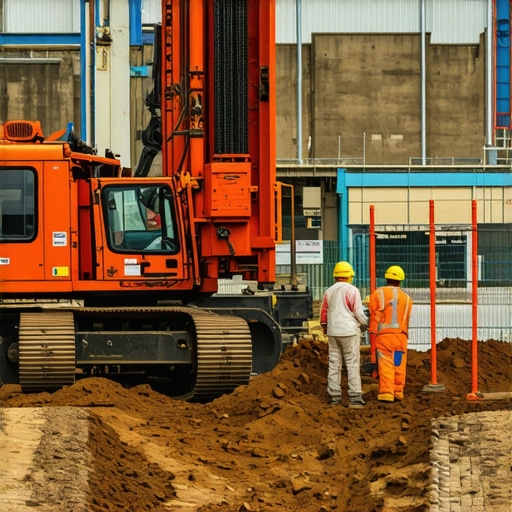
Modern borehole drilling techniques have evolved to meet the demands of complex underground environments. Streamlined hydrovac drilling, for instance, offers unparalleled soil testing accuracy by reducing soil disturbance and contamination. By leveraging high-precision drilling equipment, engineers can obtain dependable soil samples, vital for designing resilient foundations. For further insights, explore our comprehensive guide on streamlined borehole hydrovac drilling.
Vacuum Excavation Strategies that Enhance Safety and Site Integrity
The adoption of vacuum excavation techniques, especially those employing high-powered hydrovac systems, has revolutionized safe underground utility exposure. These methods minimize ground disturbance, prevent accidental strikes on existing infrastructure, and reduce environmental impact. When executed with precision, vacuum excavation serves as a reliable approach for trenching and site preps, aligning with safety standards outlined in authoritative sources such as the trusted vacuum excavation guidelines.
What Are the Key Factors Influencing the Success of Vacuum Excavation?
Understanding the Complexities Behind Optimal Soil Removal and Site Safety
Achieving successful vacuum excavation hinges on multiple factors, including soil type, equipment calibration, and operator expertise. For instance, cohesive soils may require tailored pressure settings to prevent collapse, while granular soils pose different challenges. Continuous training and adherence to industry best practices are critical for adapting to these variables. Open discussions and sharing of field experiences among professionals can further refine techniques, ensuring safer and more reliable outcomes.
Encouraging professional collaboration and knowledge exchange is essential for advancing excavation practices. Engage with industry forums or contribute insights on platforms dedicated to underground infrastructure safety.
For a deeper understanding of site-specific excavation strategies, consult our detailed article on effective trenching vacuum excavation strategies.
As we look toward future developments, integrating automation and real-time soil monitoring tools will further enhance the reliability of borehole and vacuum excavation processes, aligning with innovations projected in 2025 and beyond.
Revolutionizing Site Safety with Smart Vacuum Excavation Solutions
Modern vacuum excavation techniques are increasingly incorporating smart technology to enhance safety and precision on construction sites. Automated controls, real-time soil monitoring, and adaptive pressure settings allow operators to respond swiftly to changing ground conditions. This evolution not only reduces the risk of damaging existing utilities but also accelerates project timelines. For a comprehensive overview of how these advancements are shaping the industry, review our detailed article on effective vacuum excavation strategies for 2025.
Can We Rely Entirely on Automation to Guarantee Site Safety?
While automation and real-time monitoring significantly improve excavation safety, human expertise remains irreplaceable. Skilled operators are essential for interpreting data, making judgment calls, and managing unexpected site conditions. The integration of advanced sensors and AI-driven analytics provides decision support, but the experience and intuition of seasoned professionals are crucial in complex scenarios. As industry standards evolve, continuous training and adherence to best practices will be vital for leveraging new technologies effectively. For more insights, explore our resource on reliable hydrovac borehole strategies for 2025.
What Are the Next Frontiers in Safe and Precise Underground Excavation?
Emerging innovations such as machine learning algorithms, advanced geophysical surveys, and integrated site management platforms are poised to transform underground excavation further. These tools enable predictive analytics, helping engineers anticipate ground behavior and optimize excavation parameters before starting work. Moreover, the development of environmentally friendly fluids and energy-efficient machinery contributes to sustainable practices. As these technologies mature, industry leaders will need to stay informed and adapt their methodologies accordingly. To explore these future trends, consult our upcoming guide on borehole and vacuum excavation innovations for 2025.
Interested in how these breakthroughs can be integrated into your projects? Share your thoughts or ask questions in the comments below—your insights can help shape the future of underground safety and efficiency.
Harnessing Real-Time Data to Elevate Excavation Precision
Integrating real-time data acquisition systems into borehole and vacuum excavation practices significantly enhances operational accuracy. Cutting-edge sensors, coupled with advanced analytics platforms, enable engineers to monitor soil conditions dynamically, adjusting parameters on the fly. This proactive approach minimizes risks such as soil collapse or utility strikes, especially in unpredictable subsurface environments. Industry leaders are now adopting IoT-enabled equipment that transmits live data to centralized monitoring stations, fostering a new era of intelligent excavation management.
Why Adaptive Excavation Techniques Are Key to Complex Urban Environments
Urban settings pose unique challenges, including densely packed utilities, variable soil types, and strict regulatory constraints. Adaptive excavation strategies, which incorporate modular equipment and flexible workflows, allow operators to respond swiftly to unforeseen obstacles. Techniques such as variable-pressure hydrovac systems and directional drilling complement traditional methods, providing a layered approach to safe and efficient utility exposure. This adaptability not only reduces project timelines but also enhances stakeholder confidence by demonstrating a commitment to safety and environmental stewardship.
What Are the Nuances of Soil Behavior Under High-Pressure Vacuum Systems?
How Do Soil Cohesion and Moisture Content Influence Excavation Outcomes?
Soil behavior under high-pressure vacuum systems is complex, heavily influenced by factors such as cohesion, moisture levels, and particle size distribution. Cohesive soils, like clay, tend to be more prone to slumping or collapse if pressure settings are not carefully calibrated. Conversely, granular soils like sand require targeted pressure adjustments to prevent blowouts or excessive dust. Moisture content further complicates this dynamic, as saturated soils may exhibit increased stability or, in some cases, become more susceptible to liquefaction. Understanding these nuances demands a deep knowledge of geotechnical principles, often supported by field-specific soil testing and modeling.
For a comprehensive analysis, consult the authoritative standards outlined by the International Society for Trenchless Technology (ISTT), which emphasizes soil-specific strategies for safe excavation.
Incorporating this knowledge into training programs ensures operators can make data-driven decisions, optimizing safety and efficiency during critical phases of underground work.
;"><i class="fa fa-comment"></i> 3</a></li><li><a href="https://hydrovacdrilling.com/author/mike-hydrovac/"><i class="fa fa-user"></i>By Mike Hydrovac</a></li><li><a href="javascript:void(0);"><i class="fas fa-clock pe-1"></i> December 17, 2025 18:23 PM</a></li></ul><div class="blog-tags mt-3"></div></div><div class="col-md-12 mt-5"><div id="comments" class="comments-area"><div class="single-comments-title"><h2> One thought on “<span>Top Borehole & Vacuum Excavation Techniques for Reliable Infrastructure</span>”</h2></div><ol class="comment-list"><li id="comment-488" class="comment even thread-even depth-1 parent"><article id="div-comment-488" class="comment-body"><footer class="comment-meta"><div class="comment-author vcard"> <img alt=) Michael Anderson says:
Michael Anderson says:
 Michael Anderson