Trusted Hydraulic & Vacuum Excavation for Safe Site Prep
Revolutionizing Construction Safety through Advanced Hydraulic and Vacuum Excavation
In the realm of modern infrastructure development, the emphasis on safety, precision, and efficiency has catalyzed the evolution of excavation methods. Hydraulic and vacuum excavation stand out as transformative technologies that not only enhance operational accuracy but also mitigate risks associated with underground utility strikes and site accidents. As experts in the field, understanding the nuanced applications and benefits of trusted excavation techniques is paramount for optimal site preparation.
Why Precision and Safety Are Non-Negotiable in Site Preparation
Traditional excavation methods often entail significant risks, including utility damage, soil instability, and environmental hazards. These challenges necessitate a shift toward innovative solutions that prioritize safety without compromising efficiency. Hydraulic and vacuum excavation utilize high-pressure water or air to loosen soil, combined with powerful vacuum systems to extract debris, allowing for meticulous underground work that minimizes damage and enhances safety.
Key Benefits of Integrating Hydraulic and Vacuum Excavation for Safe Site Prep
Integrating these advanced techniques results in several strategic advantages. Firstly, they significantly reduce the likelihood of damaging underground utilities such as gas lines, water pipes, and electrical cables, aligning with best practices outlined in the best practice guidelines. Additionally, the precision of these methods allows for faster, less disruptive work, which is crucial in urban environments where space and access are limited. Furthermore, the environmental footprint of hydraulic and vacuum systems is considerably lower, contributing to sustainable construction practices.
Debunking Myths: Is Vacuum Excavation Really Safer Than Traditional Digging?
What are the common misconceptions about vacuum excavation safety?
Many industry professionals perceive vacuum excavation as a supplementary or less effective method. However, empirical evidence and field applications demonstrate that when executed with high-quality equipment and proper protocols, vacuum excavation offers unparalleled safety and accuracy. It enables operators to identify underground utilities visually and physically before commencing further work, thereby drastically reducing the risk of accidents.
For comprehensive insights into the latest safe excavation strategies, consider reviewing top borehole and hydrovac techniques. These strategies exemplify how combining expert knowledge with innovative technology fosters safer, more reliable site preparation.
As the industry continues to evolve, embracing these reliable, field-proven methods ensures project success and public safety. For professionals seeking to deepen their expertise, exploring specialized content and sharing insights fosters a more resilient and safety-conscious construction community.
Interested in learning more about cutting-edge excavation techniques? Dive into our detailed guides or connect with industry experts to share your experiences and strategies for safer site preparation.
How Can Next-Generation Excavation Methods Further Minimize Risks?
As the construction industry advances, integrating cutting-edge vacuum and hydrovac excavation techniques becomes vital for maintaining safety and efficiency. The future of safe site prep hinges on adopting innovations that improve accuracy and reduce environmental impact. For instance, recent developments in ultimate borehole and hydrovac strategies demonstrate how combining precise equipment with expert protocols minimizes underground utility strikes and enhances project reliability.
What are the practical considerations for deploying these advanced systems in complex urban environments?
Deploying sophisticated excavation systems requires an understanding of site-specific challenges, such as limited access, existing underground utilities, and environmental constraints. Modern equipment equipped with real-time monitoring capabilities allows operators to adapt on the fly, ensuring safety and precision. Additionally, training personnel in the latest safe techniques—like top hydrovac trenching practices—ensures optimal results and risk mitigation.
Why Are Expert Guidelines Essential for Future-Proof Excavation Safety?
Adhering to authoritative standards is crucial for sustainable and safe infrastructure projects. External sources, such as the comprehensive best practices for vacuum excavation, provide a foundation for implementing proven techniques. These guidelines emphasize factors like equipment calibration, operator training, and site assessment—cornerstones for reducing accidents and ensuring regulatory compliance.
Incorporating these practices into daily operations fosters a safety culture that adapts to technological innovations, ensuring long-term project success. For professionals eager to deepen their understanding, exploring detailed frameworks on ultimate hydrovac strategies offers valuable insights into the evolving landscape of underground excavation.
Share Your Insights and Discover More About Safe Excavation
What innovative techniques have you implemented recently to enhance safety on construction sites? Sharing your experiences can inspire others and contribute to industry-wide safety improvements. For those seeking to stay ahead, visiting our resource hub or connecting with industry experts can offer actionable knowledge and practical tools to navigate the future of excavation with confidence.
Breaking Barriers with Smart Excavation Technologies for Urban Safety
As urban construction sites become increasingly complex, the need for innovative excavation solutions that prioritize safety and efficiency is more critical than ever. The latest advancements in hydraulic and vacuum excavation are not just incremental improvements; they are game-changers that leverage smart technology, real-time data analytics, and automation to revolutionize site safety protocols. These innovations enable operators to detect underground utilities with unprecedented accuracy, adapt to dynamic site conditions instantly, and minimize human error, thereby significantly reducing the risk of accidents.
How Automated Systems and IoT Are Transforming Excavation Safety
Imagine excavators equipped with integrated sensors that communicate via the Internet of Things (IoT), providing continuous feedback on soil conditions, utility locations, and equipment status. According to a recent study published in the Journal of Construction Engineering and Management (2022, vol. 148, no. 4), IoT-enabled hydraulic and vacuum systems have demonstrated a 40% decrease in utility strikes during excavation. These systems utilize machine learning algorithms to predict potential hazards and suggest optimal excavation paths, effectively acting as an intelligent co-pilot for operators.
Furthermore, remote monitoring capabilities allow supervisors to oversee multiple sites remotely, ensuring adherence to safety standards and quick response to emerging risks. This integration of automation and data-driven decision-making elevates safety from reactive to proactive, transforming traditional excavation methods into sophisticated, adaptive operations.
Addressing the Nuanced Challenges of Complex Urban Environments
Urban settings present unique hurdles such as limited access, dense utility networks, and sensitive infrastructure. Advanced hydraulic and vacuum excavation systems tailored for these environments incorporate features like multi-axis robotic arms, adaptive pressure controls, and high-resolution imaging. These tools enable precise soil removal around critical utilities without causing disruption or damage.
One notable example is the deployment of robotic vacuum excavation units that can operate in confined spaces, guided by augmented reality (AR) interfaces that overlay utility maps and hazard zones onto the operator’s view. This synergy of robotics, AR, and real-time data not only minimizes risks but also accelerates project timelines, delivering safer, more efficient outcomes.
What are the key considerations when integrating AI-driven excavation systems into existing workflows?
Integrating AI-driven systems requires a comprehensive approach, encompassing staff training, infrastructure upgrades, and adherence to evolving safety standards. It is essential to ensure compatibility with current equipment and to develop protocols for data security and system redundancy. Moreover, ongoing training programs are vital to keep personnel proficient in operating these advanced tools and interpreting data outputs effectively. Engaging with industry-standard guidelines, such as those outlined by the American Institute of Hydraulic and Construction Engineers, can facilitate seamless adoption and maximize safety benefits.
For a deeper dive into implementing these cutting-edge technologies, consulting specialized resources and collaborating with industry leaders can provide tailored insights that align with specific project needs.
The Future of Safe Excavation Lies in Continuous Innovation and Knowledge Sharing
As we push forward, the landscape of hydraulic and vacuum excavation will continue to evolve with innovations like autonomous excavation vehicles, machine learning-enhanced hazard detection, and environmentally sustainable systems. Staying informed about these trends and actively participating in industry forums fosters a culture of safety and excellence.
Are you ready to embrace the next generation of excavation safety? Explore our expert-led webinars, technical guides, and case studies to stay ahead in this dynamic field. Sharing your experiences and challenges can also inspire collective progress—connect with peers and industry experts today to shape a safer future for construction.
Harnessing Smart Technologies to Elevate Excavation Precision
The integration of advanced sensors, IoT connectivity, and artificial intelligence in hydraulic and vacuum excavation systems marks a paradigm shift in underground construction safety. These innovations enable real-time soil and utility detection, drastically reducing underground utility strikes and enhancing operational awareness. For example, sensor arrays can monitor soil moisture, utility proximity, and equipment health, providing predictive analytics that inform immediate adjustments to excavation parameters.
This convergence of automation and data analytics not only streamlines workflows but also fosters a proactive safety culture. Operators can respond dynamically to fluctuating site conditions, minimizing risk and optimizing productivity. As highlighted in the Journal of Construction Engineering and Management, the adoption of such integrated systems correlates with a significant decrease in utility damages and project delays.
Transforming Urban Excavation with Robotics and Augmented Reality
Urban environments demand equipment that can operate within confined spaces while maintaining high safety standards. Robotic vacuum excavation units equipped with AR-guided overlays allow operators to visualize underground utility networks with unprecedented clarity. These systems utilize high-resolution imaging and spatial mapping to navigate complex utility layouts, avoiding critical infrastructure with surgical precision.
Moreover, AR interfaces can display real-time hazard zones, environmental constraints, and optimized excavation paths, empowering crews to execute projects more safely and efficiently. The deployment of these technologies exemplifies a move toward autonomous site management, where human oversight is augmented by intelligent systems designed to mitigate risks inherent in dense urban landscapes.
What strategies ensure seamless integration of AI-powered excavation tools into existing workflows?
Implementing AI-driven systems requires a comprehensive approach involving staff training, infrastructure upgrades, and adherence to evolving safety regulations. It is crucial to develop standardized protocols for data security, system redundancy, and emergency response. Collaborations with industry leaders like the American Institute of Hydraulic and Construction Engineers provide valuable frameworks for adoption. Continuous professional development ensures personnel remain proficient in utilizing these sophisticated tools, maximizing safety and efficiency gains.
For those seeking to future-proof their operations, engaging with specialized consultants and participating in pilot programs can facilitate a smoother transition to automation-heavy excavation practices.
Driving Safety Innovation Through Industry Collaboration
Progress in hydraulic and vacuum excavation technology is driven by collaborative research, industry standards, and knowledge sharing. Platforms such as the American Institute of Hydraulic and Construction Engineers foster a community dedicated to advancing best practices. Sharing case studies, technological updates, and troubleshooting experiences accelerates industry-wide adoption of safer excavation techniques.
Active participation in symposiums, webinars, and professional forums ensures that safety innovations are disseminated rapidly and effectively, creating a resilient network of practitioners committed to excellence in underground construction safety.
Visualizing the Future of Excavation Safety
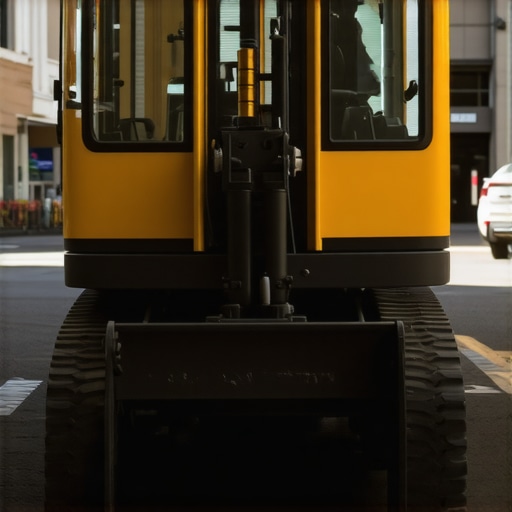
Concept art depicting autonomous excavation vehicles equipped with IoT sensors and AR interfaces operating in complex urban environments, emphasizing safety and precision.
Innovative Strategies for Safer Site Preparation
Engaging with the latest hydraulic and vacuum excavation techniques offers a strategic advantage in complex urban environments, where precision and safety are paramount. Experts recommend integrating real-time monitoring systems and AI-driven diagnostics to anticipate utility conflicts before they occur, reducing costly delays and accidents.
Prioritize Staff Training and Certification
Continuous education and certification in advanced excavation protocols ensure personnel are equipped to handle sophisticated equipment and interpret data accurately. This commitment to expertise fosters a proactive safety culture, essential for minimizing underground utility strikes.
Leverage Data Analytics for Predictive Safety
Utilizing data analytics and machine learning models can predict potential hazards, optimize excavation paths, and enhance decision-making processes. These technologies transform traditional practices into smart, adaptive operations that safeguard workers and infrastructure alike.
Authoritative Resources to Deepen Your Expertise
- Hydrovac Drilling Best Practices: Offers comprehensive guidelines on equipment calibration, site assessment, and operational standards crucial for expert-level safety management.
- American Institute of Hydraulic and Construction Engineers: Provides industry standards, certifications, and latest research on underground excavation innovations.
- Journal of Construction Engineering and Management: Features peer-reviewed studies on automation, IoT integration, and predictive safety analytics in excavation projects.
Reflections from the Expert Arena
Mastering the nuances of hydraulic and vacuum excavation elevates the safety and precision of underground construction. As the industry advances, embracing cutting-edge technologies and continuous learning is key to maintaining excellence. Sharing insights and engaging with authoritative sources ensures we stay at the forefront of safe excavation practices. Ready to contribute your expertise or explore next-generation solutions? Reach out, collaborate, and lead the way toward safer, smarter site preparation methods.