Streamlined Trenching & Hydrovac Solutions for Reliable Results
Unlocking the Future of Subsurface Excavation: The Role of Streamlined Trenching & Hydrovac Solutions
In the realm of underground infrastructure development, precision, safety, and efficiency are paramount. As industry experts recognize, the evolution of trenching and hydrovac techniques is pivotal in meeting the increasing demands for reliable, minimally invasive excavation. Advanced solutions harness the latest technological innovations to drive project success, reduce environmental impact, and ensure site safety.
Why Modern Trenching Techniques Are Critical for Complex Urban Projects
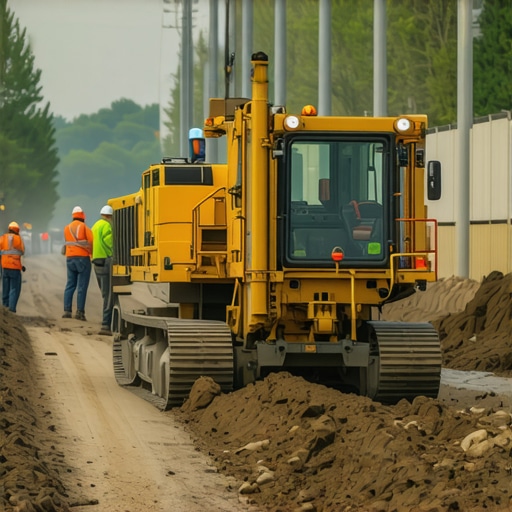
Traditional trenching methods often struggle to balance speed with safety, especially in densely populated or environmentally sensitive areas. Contemporary trenching solutions incorporate sophisticated hydrovac trenching methods that deliver high precision while minimizing surface disruption. These techniques leverage vacuum excavation technology, enabling operators to safely expose utilities and underground structures without damaging existing infrastructure.
How Hydrovac Technology Enhances Safety and Accuracy in Site Preparation
Hydrovac systems utilize high-pressure water jets and vacuum suction to excavate soil, offering a non-destructive alternative to mechanical digging. This method is especially advantageous in scenarios involving delicate underground utilities or archaeological sites, where traditional excavation could pose significant risks. The integration of real-time soil analysis and advanced imaging further enhances accuracy, ensuring that every borehole or trench aligns precisely with project specifications.
What Are the Challenges in Integrating Trenching and Hydrovac Solutions at Scale?
While the benefits are clear, large-scale adoption demands careful planning and skilled operation. Difficulties include managing soil variability, environmental regulations, and equipment logistics. Moreover, the learning curve associated with sophisticated machinery requires ongoing training and expertise. Nonetheless, industry leaders are investing in research and development to overcome these hurdles, creating more adaptable and efficient systems that can handle diverse project scopes.
What Are the Cutting-Edge Innovations in Vacuum Excavation for Complex Infrastructure Projects?
Emerging innovations include autonomous hydrovac units, AI-driven soil diagnostics, and modular equipment configurations. These advancements enable faster deployment and greater precision, particularly in challenging environments. For example, AI-enhanced soil sensors allow real-time assessment of soil conditions, reducing the risk of cave-ins or utility strikes. To explore these developments further, professionals can consult expert analyses on borehole and hydrovac innovations.
As the industry progresses, the integration of these advanced techniques will become essential for safe, reliable, and cost-effective underground projects. For those seeking to refine their approach, accessing comprehensive resources and sharing insights across professional networks will be invaluable. Consider contributing your expertise to ongoing discussions on site prep strategies.
Unveiling the Next Level of Subsurface Excavation: Advanced Hydrovac and Trenching Techniques
In an era where urban landscapes become increasingly complex, the necessity for innovative underground excavation methods intensifies. Experts are now exploring integrated approaches that combine traditional trenching with cutting-edge hydrovac technology, ensuring safer, more precise, and environmentally sustainable infrastructure development. These advancements are transforming how engineers approach underground utility installation and maintenance, emphasizing minimal surface disruption and maximum accuracy.
What Are the Emerging Technologies Revolutionizing Underground Excavation?
Recent breakthroughs include the deployment of AI-powered soil diagnostics, autonomous hydrovac units, and real-time data analytics, which collectively enhance excavation precision. AI-driven sensors analyze soil composition instantaneously, allowing operators to adapt techniques dynamically, reducing risks like utility strikes or soil collapses. Autonomous units, guided by sophisticated GPS and sensor arrays, perform trenching and borehole drilling with minimal human intervention, increasing efficiency and safety. For comprehensive insights into these innovations, industry leaders recommend exploring borehole and hydrovac innovations.
How Can These Technologies Address the Challenges Faced by Large-Scale Infrastructure Projects?
Large-scale projects often grapple with unpredictable soil conditions, strict regulatory requirements, and tight timelines. The integration of advanced hydrovac systems with digital monitoring tools offers solutions to these challenges by providing real-time feedback, reducing guesswork, and enabling swift adjustments. Moreover, modular equipment designs facilitate quick deployment across varied terrains, streamlining workflows. This synergy of technology and adaptability is critical for maintaining project schedules and budgets, especially in urban environments where surface disruptions must be minimized. For more on scalable solutions, visit efficient borehole and trenching strategies.
What Are the Practical Implications of Adopting These Advanced Methods in Routine Projects?
Adopting these innovative approaches significantly enhances safety protocols, reduces environmental impact, and improves project accuracy. For instance, precise soil analysis and targeted excavation minimize unnecessary soil disturbance, leading to faster site recovery and lower ecological footprint. Additionally, these methods support better documentation and compliance with regulatory standards, a vital aspect of modern infrastructure projects. The shift towards smart excavation techniques also fosters a collaborative environment among project stakeholders, enabling seamless data sharing and decision-making. To implement these practices effectively, professionals should explore detailed methodologies available at advanced borehole and hydrovac techniques.
Are you ready to incorporate these revolutionary strategies into your upcoming projects? Engage with industry peers, share your experiences, and suggest further reading on top trenching techniques to stay ahead in underground infrastructure development.
Integrating Autonomous Hydrovac Units for Enhanced Precision in Urban Excavation
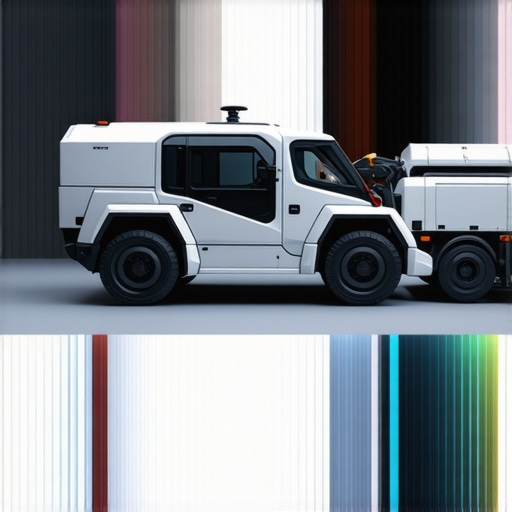
One of the most promising advancements in subsurface excavation is the deployment of autonomous hydrovac units. These robotic systems, equipped with advanced GPS and sensor arrays, can perform trenching and soil excavation with minimal human intervention, significantly reducing risks associated with human error and fatigue. Autonomous operation allows for precise control over excavation parameters, optimizing soil removal while safeguarding underground utilities, especially in densely populated urban environments where surface-level disruptions must be minimized.
Moreover, these units are capable of real-time data collection, feeding into centralized management systems that facilitate dynamic adjustments during operations. This integration of automation and data analytics not only enhances safety and accuracy but also accelerates project timelines. For example, companies such as Autonomous Hydrovac Inc. are pioneering these systems, demonstrating their potential to revolutionize underground construction workflows.
How Real-Time Soil Diagnostics Are Transforming Excavation Strategies
Traditional excavation relies heavily on pre-construction soil surveys, which can become outdated or inaccurate once onsite conditions change. The advent of AI-powered soil diagnostics, embedded within hydrovac systems, addresses this challenge by providing real-time soil analysis. Sophisticated sensors analyze soil composition, moisture content, and stability instantaneously, allowing operators to adapt excavation techniques dynamically. This precision reduces the likelihood of soil collapses, utility strikes, or environmental damage, aligning with strict regulatory standards and sustainability goals.
For instance, these diagnostics can identify zones of unstable soil that require additional shoring or specific excavation methods, thereby preventing costly delays or safety incidents. Industry leaders like Soil Analytics are integrating these technologies into their hydrovac platforms, enabling a new level of operational intelligence that benefits large-scale infrastructure projects.
What Are the Critical Challenges in Scaling Advanced Hydrovac Technologies?
Despite the promising potential, scaling these innovations presents several challenges. Firstly, the high initial investment in autonomous systems and AI diagnostics can be prohibitive for smaller firms. Additionally, integrating these new technologies into existing workflows demands extensive training and change management, which may encounter resistance from traditional operators accustomed to mechanical excavation methods. Furthermore, regulatory frameworks are still evolving to accommodate autonomous machinery and real-time diagnostics, often leading to compliance uncertainties.
Addressing these hurdles requires collaborative efforts among technology developers, regulatory bodies, and industry stakeholders. Pilot programs and phased implementations can demonstrate the tangible benefits, encouraging broader adoption. As noted by Industry Innovations, strategic partnerships and continuous training are key to overcoming these barriers and unlocking the full potential of advanced trenching solutions.
Future Perspectives: Merging Data-Driven Insights with Sustainable Practices
The future of underground excavation lies in the seamless integration of data analytics, automation, and sustainability. Smart trenching systems will increasingly incorporate machine learning algorithms that analyze historical and real-time data to optimize excavation paths, reduce material waste, and minimize environmental footprint. Additionally, the development of modular, portable hydrovac units will facilitate rapid deployment across diverse terrains, further enhancing project flexibility and resilience.
As industry leaders push forward, the emphasis on eco-friendly practices—such as water recycling in hydrovac operations and reduced surface disruption—will become standard. For professionals eager to stay at the forefront, engaging with ongoing research, participating in industry forums, and adopting proven innovative solutions will be crucial. To explore these emerging trends and best practices, visit Sustainable Excavation Resources and continue your journey toward smarter, safer, and greener underground infrastructure development.
Revolutionizing Underground Construction with Multi-Dimensional Data Integration
As the underground excavation sector evolves, the integration of multi-dimensional data—combining geological, environmental, and infrastructural information—becomes pivotal. Cutting-edge geospatial analytics and 3D modeling enable engineers to visualize subsurface conditions with unprecedented clarity, facilitating precision planning and risk mitigation. Leveraging these tools reduces unforeseen complications and enhances project predictability, especially in urban environments where surface disruptions must be minimized.
How Can Artificial Intelligence Optimize Hydrovac Operations in Real-Time?
Artificial Intelligence (AI) algorithms now serve as the backbone of real-time decision-making in hydrovac operations. By analyzing sensor data—such as soil moisture, composition, and stability—AI systems dynamically adjust excavation parameters, ensuring optimal soil removal while safeguarding existing utilities. This adaptive approach minimizes waste, accelerates workflows, and enhances safety protocols. Industry leaders like AI Hydrovac Technologies exemplify these advancements, pushing the boundaries of what automated excavation can achieve.
What Are the Implications of Quantum Computing for Subsurface Data Processing?
Quantum computing, although still emerging, promises to revolutionize the processing of complex geospatial and geological datasets. Its ability to perform calculations at unparalleled speeds can lead to breakthroughs in predictive modeling of soil behavior, utility mapping, and environmental impact assessments. Incorporating quantum algorithms into excavation planning could drastically reduce decision-making times and improve the accuracy of models used for large-scale infrastructure projects, thus transforming the industry’s strategic outlook.
< >
>
Why Is Sustainability a Central Focus for Next-Generation Trenching Technologies?
Sustainable trenching practices are now at the forefront, emphasizing water recycling, energy-efficient machinery, and minimal ecological disturbance. Advanced hydrovac rigs incorporate water recycling systems that drastically reduce water consumption, aligning with global sustainability standards. Moreover, modular trenching units designed for rapid deployment and adaptability reduce material waste and construction footprints. These innovations not only support regulatory compliance but also appeal to environmentally conscious stakeholders eager to adopt greener construction methodologies.
How Do Blockchain Technologies Enhance Transparency and Traceability in Subsurface Excavation?
Blockchain offers a decentralized ledger system that enhances transparency and traceability throughout the excavation lifecycle. From soil analysis records to equipment usage logs and safety audits, blockchain ensures data integrity and accountability. This technology facilitates seamless stakeholder collaboration, streamlines compliance documentation, and mitigates disputes related to project scope or safety incidents. Early adopters such as Blockchain in Construction demonstrate how integrating this technology can elevate project management standards and stakeholder trust.
What Are the Future Challenges and Opportunities in Autonomous Subsurface Equipment?
The rapid development of autonomous trenching and hydrovac units presents both challenges and opportunities. Key hurdles include regulatory approval processes, cybersecurity risks, and the need for specialized workforce training. Conversely, these systems offer unparalleled operational efficiency, safety improvements, and flexibility in complex terrains. The industry’s future hinges on establishing robust frameworks for autonomous technology deployment, fostering innovation partnerships, and continuously refining AI algorithms for adaptive learning. Engage with industry consortia such as Autonomous Excavation Alliance to stay informed and actively shape this transformative landscape.
Expert Insights & Advanced Considerations
Innovation in Soil Analysis
Leading industry experts emphasize the importance of integrating AI-powered soil diagnostics into hydrovac operations. This advancement allows for real-time soil composition analysis, enabling precise adjustments during excavation and reducing risks associated with utility strikes or soil collapses.
Autonomous Hydrovac Deployment
Autonomous hydrovac units are transforming underground construction by providing enhanced accuracy and safety. These robotic systems, equipped with GPS and sensor arrays, perform trenching with minimal human intervention, ensuring consistent quality and faster project turnaround times.
Data-Driven Decision Making
The adoption of multi-dimensional geospatial analytics and 3D modeling facilitates comprehensive visualization of subsurface conditions. This approach minimizes unforeseen complications and improves project predictability, especially in complex urban environments.
Regulatory and Safety Integration
Experts recommend proactive engagement with evolving regulatory frameworks to ensure autonomous systems and real-time diagnostics meet compliance standards. Collaboration between technology providers and regulatory bodies accelerates adoption and enhances safety protocols.
Sustainable Excavation Practices
Sustainability remains a core focus, with innovations such as water recycling in hydrovac operations and modular equipment reducing environmental impact. These practices align with global standards and appeal to environmentally conscious stakeholders.
Curated Expert Resources
- Hydrovac Drilling Resources: Comprehensive guides and case studies on advanced trenching techniques and safety protocols, available at Ultimate Hydrovac Borehole Strategies.
- AI and Automation in Excavation: Industry analysis and technological insights at Hydrovac Innovations.
- Geospatial Analytics & 3D Modeling: Resources for visualization and subsurface mapping at Advanced Geospatial Data.
- Regulatory Frameworks & Safety Standards: Expert analyses available at Site Preparation Strategies.
Final Expert Perspective
In the rapidly evolving landscape of underground infrastructure development, embracing cutting-edge trenching and hydrovac technologies is essential for industry leaders. Advanced soil diagnostics, automation, and data analytics not only elevate safety and precision but also promote sustainability and regulatory compliance. As professionals, continuous engagement with authoritative resources and innovative practices will be key to mastering the future of subsurface excavation. Dive deep into these insights, contribute your expertise, and stay at the forefront of this transformative field.
This article offers a comprehensive look at the evolving landscape of underground excavation, especially the integration of AI and autonomous systems. From my experience working on urban utility projects, I’ve seen firsthand how real-time soil diagnostics can drastically reduce unexpected delays and safety hazards. The use of modular hydrovac units has also added a level of flexibility essential for adapting to unpredictable soil conditions. However, the upfront costs for these advanced technologies can be a barrier for smaller firms, which makes me wonder how industry leaders are encouraging wider adoption. Have any of you encountered successful strategies for smaller companies to leverage these innovations without overwhelming their budgets? Overall, the focus on sustainability and data-driven decision-making resonates strongly with my goals to minimize environmental impact and improve accuracy. I’m curious about others’ thoughts on balancing these cutting-edge solutions with budget constraints, especially in large-scale projects.
This article highlights some of the most promising developments in underground excavation, especially the integration of AI and autonomous systems for site safety and efficiency. Having worked on urban infrastructure projects myself, I’ve noticed that adopting real-time soil diagnostics has made a significant difference, allowing for more precise work and fewer utility strikes. What I find intriguing is how these advancements can be made accessible to smaller firms, which often face budget constraints. I’ve seen some success with partnerships and phased implementations that demonstrate the ROI of these technologies over time. The emphasis on sustainability, particularly water recycling and modular equipment, is also encouraging—it’s a step towards greener construction practices that don’t compromise productivity. I’m curious, for those of you involved in project planning, how do you balance integrating these high-tech solutions while maintaining cost-effectiveness? It seems like collaboration and ongoing training are key to overcoming initial investment hurdles, but I’d love to hear practical experiences or strategies that have worked in different contexts.
This post underscores the evolving importance of integrating advanced hydrovac and trenching technologies into urban projects. From my experience working on downtown infrastructure upgrades, I’ve noticed that the precision offered by real-time soil diagnostics and autonomous machinery greatly reduces safety risks and project delays. One challenge I’ve encountered is ensuring proper training for operators to maximize these systems while complying with local environmental regulations. Have any of you found effective ways to streamline training programs for new tech adoption, especially in tight project timelines? It’s clear that automation and data analytics will continue transforming site safety and efficiency, but balancing these innovations with practical operational limits remains critical. I’m keen to hear how others have navigated these integration hurdles or implemented these solutions sustainably across large-scale projects.
Reading this article really made me think about how combining AI diagnostics with autonomous hydrovac units can revolutionize underground construction, especially in complex urban settings. From my recent experience on a project downtown, the precise real-time soil analysis helped us avoid utility strikes and reduced delays significantly. Still, I wonder how smaller firms can effectively adopt these technologies given the high initial costs. Are there scalable solutions or partnerships that make this accessible for more companies? Also, the emphasis on sustainability, like water recycling, is a step in the right direction, aligning with broader environmental goals. I’d be interested to hear how other professionals are navigating the balance between innovation and cost, especially in projects with tight budgets. Do you see more industry collaborations or government grants helping smaller players to stay competitive? Ultimately, integrating these advancements seems vital for safer, more efficient, and eco-friendly underground work.