Mastering Site Preparation: The Expert’s Approach to Trenching on Unstable Hillsides
Effective site preparation for excavation projects on unstable slopes demands a nuanced understanding of soil mechanics, ground stability, and the capabilities of modern excavation technology such as hydrovac systems. Vacuum excavation, particularly when combined with precise trenching techniques, has revolutionized how engineers approach these challenging terrains, offering safer and more accurate alternatives to traditional mechanical methods.
Why Traditional Digging Fails on Sloped Terrains and the Role of Hydrovac Innovations
Conventional trenching often exacerbates ground instability, risking landslides and jeopardizing worker safety. In contrast, hydrovac excavation employs high-pressure water jets and vacuum technology to carefully delineate underground utilities and loosen soil without disturbing the overall slope integrity. This method is especially valuable when working near sensitive structures or when precise trenching is required amidst loose, untrustworthy soil layers.
Advanced Soil Behavior and Its Impact on Trenching Strategy
Understanding the complex behavior of layered soils on hillsides, including phenomena like soil heave, sloughing, and liquefaction, is crucial. Experts analyze soil composition, moisture content, and granular properties—insights supported by academic research such as Houlsby & Martin’s work on soil-structure interactions in geotechnical engineering. Incorporating this knowledge helps refine trenching angles and stabilization methods, reducing risk and improving efficiency.
How can trenching techniques be adapted to account for soil heterogeneity and prevent collapse?
Adapting trenching strategies involves integrating geotechnical assessments with dynamic excavation controls, such as adjustable water pressures in hydrovac equipment, to respond to varying soil conditions. Employing real-time monitoring tools, like soil moisture sensors and thermal imaging to detect subsurface voids, enhances safety and accuracy. For complex hillside projects, combining these approaches with engineering controls like retaining structures or soil anchors can significantly mitigate risks.
Implementing Site Prep Fixes for Complex Terrain Challenges
Specialized site prep strategies, such as minimal disturbance excavation, controlled water jet application, and layered soil removal, are essential on unstable slopes. These methods not only safeguard ground stability but also optimize utility location accuracy, prevent utility strikes, and minimize environmental impact. For instance, incorporating site-specific adjustments based on soil test results can dramatically reduce backfill issues, as detailed in the article about trench shoring challenges in rocky soils.
Expert Collaboration and Technological Evolution
Effective management of hillside excavation projects increasingly depends on interdisciplinary collaboration—geotechnical experts, equipment operators, and environmental specialists working in unison. Advances in remote sensing, soil mapping, and real-time soil characterization are continually enhancing our ability to perform safe, efficient, and environmentally conscious excavation on unstable terrains. Maintaining this integrated approach is vital to evolving best practices and safety standards.
Continuous professional development and sharing practical insights through industry forums can further refine trenching techniques. For example, experts are encouraged to explore emerging technologies like ground-penetrating radar, which can identify underground voids and weak zones before excavation begins.
Conclusion: Elevating Site Preparation Standards for Steeper Slopes
Achieving excellence in trenching on unstable hillsides relies on a mix of advanced soil analysis, innovative excavation methods, and risk mitigation strategies rooted in geotechnical expertise. By leveraging hydrovac innovations and fostering a collaborative, data-driven approach, professionals can enhance safety, efficiency, and project outcomes in these complex environments.
For more in-depth analysis of underground utility detection, visit comprehensive utility mapping techniques.
Enhancing Utility Detection: Why Precise Soil Analysis Matters Before Trenching
Before diving into excavation, conducting meticulous soil analysis is paramount, particularly in urban environments where soil heterogeneity can jeopardize safety and project timelines. Techniques such as geotechnical site investigations, combined with advanced soil characterization tools, enable engineers to anticipate variability in soil layers, moisture content, and granular composition. This proactive approach minimizes unexpected surprises, reduces utility strikes, and ensures trench stability throughout construction phases. For instance, integrating data from ground-penetrating radar and thermal imaging can reveal concealed underground voids and weak zones, informing better trenching strategies (see utility mapping techniques).”},
Optimizing Trench Stability Through Soil Behavior Analysis
Understanding the intricate behavior of layered soils on hillsides is essential for executing safe and efficient trenching operations. Factors such as soil cohesion, granular size distribution, and moisture content dynamically influence stability. Incorporating geotechnical models, like the Coulomb failure criterion, allows engineers to predict shear failure potential and refine trench angles accordingly. As soil interacts with environmental forces—rainfall, freeze-thaw cycles—these models enable proactive adjustments to trench design, minimizing collapse risk and ensuring structural integrity during and after excavation.
Addressing Soil Heterogeneity With Adaptive Excavation Technologies
Soil heterogeneity presents a formidable challenge—zones of loose, water-saturated silt adjacent to dense, dry clay necessitate adaptable strategies. Advanced hydrovac equipment with variable water pressure capabilities permits real-time modulation based on continuous soil property feedback. Sensors embedded within the trench margin provide critical data, dynamically informing adjustments in water jet intensity to maintain soil cohesion without over-loosening. This nuanced control reduces the likelihood of unexpected ground failure and enhances utility detection accuracy in complex stratigraphy.
Can Artificial Intelligence Revolutionize Slope Safety Monitoring?
Emerging technologies like AI-powered image recognition and predictive analytics are transforming hillside excavation safety. By deploying drone-mounted cameras and ground-based sensors feeding data into machine learning algorithms trained on extensive geotechnical datasets, engineers can detect early signs of slope instability—such as minor cracks or shifts—that precede failure. A landmark study published in the Journal of Geotechnical and Geoenvironmental Engineering demonstrates that AI-driven models outperform traditional monitoring methods in predictive accuracy, enabling preemptive interventions that protect workers and infrastructure.
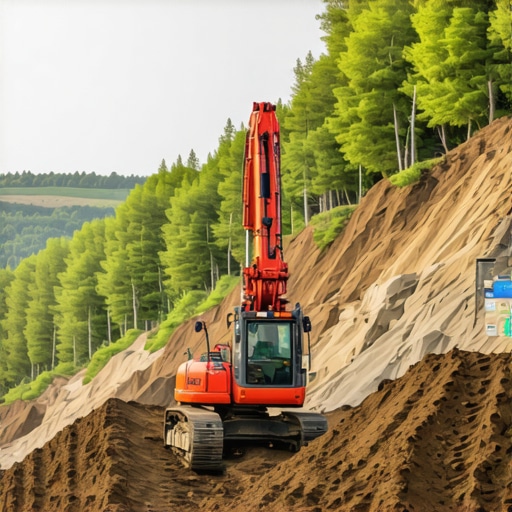
Integrating Soil Stabilization Techniques for Enhanced Safety
Supplementing excavation strategies with soil stabilization methods—such as soil nails, geogrids, and controlled chemical grouting—provides additional safety margins. When combined with precise soil analysis and adaptive hydrovac techniques, these methods create a reinforced trench environment resilient to shear forces. For hillside projects, employing layered stabilization approaches tailored to local soil conditions can significantly mitigate risks associated with liquefaction and sloughing, especially during heavy rainfall or seismic activity.
The Expert’s Role in Pioneering Sustainable, Data-Driven Excavation
As the complexity of hillside trenching escalates, the integrative role of geotechnical engineers, data scientists, and equipment manufacturers becomes paramount. Collaboratively advancing sensor technology, data analytics, and machine learning algorithms ensures that excavation practices not only meet safety standards but also align with environmental sustainability goals. By embracing a holistic, data-driven approach, industry pioneers can lead the way toward innovations that redefine hillside excavation safety and efficiency.
Innovative Soil Reinforcement Strategies Unveiled for Challenging Excavations
As hillside trenches grow increasingly intricate due to heterogeneous soil compositions, innovative reinforcement methods such as geosynthetic soil stabilization and bio-inspired anchoring systems are emerging as game-changers. These cutting-edge techniques provide enhanced ground stability, allowing for safer, more precise trenches while minimizing environmental impact. Incorporating such advanced solutions into hydrovac operations ensures resilience against unpredictable soil shifts and reduces the likelihood of utility strikes or ground collapse.
Is Real-Time Soil Data the Future of Expert Trenching?
Harnessing real-time data through IoT-enabled sensors and advanced geotechnical models facilitates dynamic decision-making during trenching. By continuously monitoring variables like soil moisture, stress levels, and particle cohesion, professionals can adapt water pressures and excavation rates instantaneously. This proactive approach not only improves safety and efficiency but also enables predictive maintenance of equipment, ultimately reducing project downtime and unforeseen hazards.
How do soil heterogeneity and moisture variability influence the accuracy of underground utility detection?
These factors significantly distort electromagnetic signals and thermal imaging, complicating utility localization. Nonetheless, integrating multi-sensor fusion—combining ground-penetrating radar, thermal imaging, and electromagnetic methods—ameliorates these challenges. According to a detailed study published in the Journal of Applied Geophysics, multi-modal techniques enhance detection reliability amid variable soil conditions, providing critical data that influences trenching strategy and safety protocols. Engaging in such sophisticated approaches equips contractors to navigate complex underground environments with confidence.
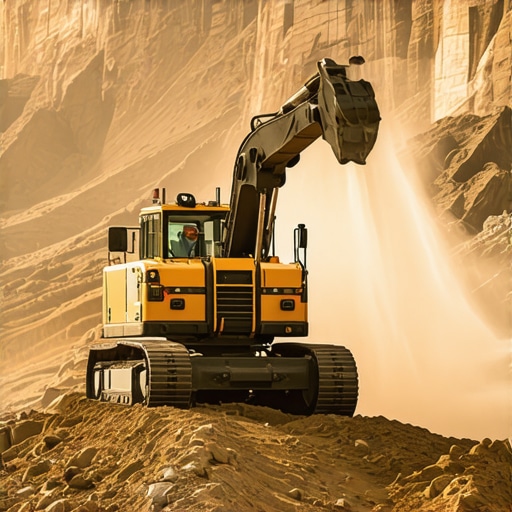
High-Precision Hydrovac Equipment for Adaptive Soil Challenges
Equipped with variable-pressure water jets, ultrasonic sensors, and autonomous control systems, next-generation hydrovac tools respond adaptively to soil heterogeneity. These intelligent systems interpret sensor feedback to modulate water force and vacuum intensity in real-time, preventing soil over-loosening or instability. Such flexibility allows operators to perform delicate excavations near sensitive utilities or unstable slopes, reducing risks associated with traditional rigid methods and elevating safety standards across the board.
Collaborative Expertise Drives Soil Stability to New Heights
The convergence of geotechnical engineering, data science, and robotic automation propels hillside trenching into a new era of precision and sustainability. Cross-disciplinary collaboration results in predictive modeling, enhanced safety margins, and environmentally friendly practices like minimal disturbance excavation. Advanced training programs and industry consortiums foster knowledge sharing, ensuring professionals stay adept at deploying these sophisticated solutions within complex terrains. As technologies evolve, the role of human expertise remains critical, guiding intelligent systems with nuanced judgment.
Advance Your Project with Cutting-Edge Trenchant Solutions
Embracing the latest in soil stabilization, adaptive hydro-technology, and data analytics ensures your hillside trenching projects set new industry benchmarks for safety, accuracy, and environmental stewardship. Investing in these innovations not only mitigates risks but also streamlines workflows, delivering long-term value. Reach out to specialists who can tailor these modern methodologies to your specific terrain challenges—pioneering excellence in every trench.
Expert Insights & Advanced Considerations
Leveraging Multi-Modal Sensor Fusion for Accurate Utility Detection
Integrating ground-penetrating radar, thermal imaging, and electromagnetic methods enhances underground utility localization, especially in heterogeneous soils where single techniques may fall short.
Adopting Adaptive Water Pressure Control During Hydrovac Operations
Real-time soil feedback sensors allow for dynamic modulation of water jets, maintaining soil cohesion and preventing collapse in variable ground conditions.
Implementing AI-Driven Monitoring Systems for Slope Stability
Machine learning models trained on extensive geotechnical data can predict early signs of slope failure, enabling preemptive safety measures and reducing risks during trenching on unstable terrain.
Incorporating Layered Soil Stabilization Methods for Enhanced Safety
Combining soil nails, geosynthetics, and chemical grouts tailored to specific soil profiles creates resilient trenches capable of withstanding environmental and loading stresses.
Optimizing Site Preparation with Minimal Ground Disturbance Techniques
Employing precision hydrovac methods and controlled excavation strategies reduces environmental impact and preserves ground integrity on sensitive hillside sites.
Curated Expert Resources
- Geotechnical Monitoring Applications in Excavation: Offers insights into sensor deployment, data interpretation, and predictive modeling for terrain assessment.
- ISO Standards for Soil Stabilization and Ground Support: Provides internationally recognized guidelines ensuring safety and consistency in soil reinforcement practices.
- Advances in Hydrovac Technology: Features the latest developments in adaptive water jet systems, sensor integration, and automation tailored for complex excavation environments.
- AI in Geotechnical Engineering: Explores machine learning applications for slope stability prediction and hazard detection in real-time operations.
- Case Studies on Urban Hillside Excavation: Demonstrates best practices, challenges, and innovative solutions from recent high-stakes projects.
Most Impactful Insights for Modern Excavation
In tackling hillside trenching challenges, the synergy of high-tech sensing, adaptive equipment, and data-driven safety protocols elevates site preparation to a professional art. Recognizing soil heterogeneity and embracing integrated stabilization approaches are no longer optional but essential for success. Embedding these advanced strategies not only safeguards personnel and infrastructure but also aligns with sustainable, efficient project delivery. To deepen your expertise or share innovative solutions, engaging with leading geotechnical forums and industry consortia can accelerate collective progress—because mastering hillside excavation is a continuous journey, built on cutting-edge knowledge and collaborative effort.