Unveiling the Complex Dynamics Behind Premature Vacuum Filter Clogging in Hydrovac Operations
In the realm of high-precision excavation and trenching, the operational efficiency of hydrovac systems hinges critically on the integrity of vacuum filters. When filters clog prematurely, it signifies underlying issues that extend beyond routine maintenance. As seasoned professionals recognize, such anomalies often reflect intricate interactions involving soil composition, fluid dynamics, and filtration technology. Addressing these challenges requires a nuanced understanding of the systemic factors at play.
Soil Composition and Its Impacts on Filtration Longevity
Heavy clay, silty sediments, and fine particulate matter contribute significantly to rapid filter degradation. These soil types produce fine particles that easily bypass initial barriers, leading to accumulation on filter surfaces. The role of soil heterogeneity becomes paramount, especially when soft digging near sensitive utilities, where unexpected particle influx can compromise filter performance. Referencing advancements in geotechnical analysis, experts suggest implementing detailed site assessments—such as fiber-optic line risk evaluations—to predict soil behavior and adapt filtration strategies accordingly.
Fluid Dynamics and Vacuum Pressure Optimization
The relationship between vacuum pressure and particle transportation is complex. Excessive vacuum levels increase the velocity of debris, intensifying filter wear and clogging rates. Conversely, insufficient vacuum reduces excavation efficiency but may prolong filter lifespan. Experts advocate for a balanced approach—tuning vacuum pressure to optimal levels based on soil and debris characteristics, supported by ongoing monitoring of suction power as exemplified in suction power maintenance techniques.
Is Your Maintenance Regimen Missing Critical Calibration Steps?
Routine filter cleaning and replacement are essential but not sufficient. Calibration of filtration systems—including timing intervals and flow rate adjustments—must be tailored to specific site conditions. The integration of real-time sensor data and diagnostic tools has revolutionized predictive maintenance. This approach enhances operational insight and preemptively addresses filter clogging scenarios before they impact productivity and system longevity. For advanced troubleshooting, consult resources like vacuum pump overheating analyses.
How Can Hydrovac Operators Extend Filter Lifespan Amid Varying Soil Conditions?
Questions about extending filter operational life in unpredictable soil environments are common among experts. Key strategies include integrating multi-stage filtration systems, employing soil-specific pre-filters, and advancing hydraulic separation techniques. Collaborating with utility locators and geotechnical specialists enhances site-specific adaptation, reducing clogging incidents and aerial utility damages. For detailed insights into utility mapping challenges, explore signal interference mitigation.
For professionals seeking to elevate their operational protocols, continuous education and engagement with industry innovations—like low-impact excavation methodologies—become invaluable. Sharing insights and experiences among expert communities fosters a dynamic knowledge exchange essential for tackling the nuanced challenges of vacuum filter maintenance in hydrovac systems.
To delve deeper into specialty excavation techniques and system optimization, consider exploring our comprehensive resources or contributing your expertise to ongoing discussions within the field.
Tailoring Filtration Systems to Soil Variability for Improved Longevity
One of the most effective ways to combat premature filter clogging is to customize filtration setups based on detailed soil profiles. Advanced geotechnical assessments enable operators to select pre-filters and filter media optimized for specific soil types, such as fine silts or cohesive clays. Implementing multi-stage filtration with intermediate screens can significantly reduce particle load on primary filters, thereby extending their service life. For expert insights on this, reviewing signal interference mitigation techniques can provide additional context on utility detection amidst challenging soil conditions.
Integrating Real-Time Sensor Data for Proactive Maintenance
Utilizing sensors that monitor vacuum pressure, flow rates, and filter integrity in real-time empowers operators to identify early signs of clogging or system stress. These diagnostic tools, coupled with predictive analytics, facilitate proactive interventions—such as adjusting vacuum levels or scheduling filter replacements—before clogging impedes operations. This approach not only reduces downtime but also minimizes wear and tear on filtration components, aligning with best practices outlined in vacuum pump maintenance studies.
The Role of Hydraulic Separation and Soil Conditioning
One often overlooked strategy is the application of soil conditioning agents or hydraulic separation techniques that minimize fine particle suspension. These methods can stabilize soil in the excavation zone, decreasing the influx of fine particles into the filtration system. Additionally, careful management of fluid dynamics—such as modulating flow velocities and pressure gradients—reduces turbulence and shear forces, which contribute to filter loading. For a comprehensive understanding of trenching near sensitive utilities, consult safe practices near gas transmission lines.
Are Emerging Technologies Shaping the Future of Hydrovac Filtration?
Emerging innovations in nanomaterials and smart filtration media promise significant advancements in filter longevity and efficiency. These materials can offer enhanced resistance to clogging, self-cleaning properties, and adaptive filtration based on real-time soil and debris analysis. Exploring these developments could revolutionize the way operators approach filtration, reducing maintenance costs and increasing operational resilience. To stay ahead, consider participating in industry forums and pilot programs that evaluate these cutting-edge solutions.
Enriching your operational toolkit with the latest sensor technologies, filtration materials, and adaptive systems enables a proactive stance against filter clogging challenges. Engaging with industry peers and contributing to knowledge exchanges will foster continuous improvement in these complex excavation processes.
For further expert advice and in-depth case studies, sharing your experiences in professional networks enhances collective learning and drives innovation across the hydrovac community.
Harnessing Advanced Filtration Technologies for Enhanced System Resilience
Implementing state-of-the-art filtration materials, such as nanofiber composites and ceramic membranes, can drastically improve filter longevity. These materials exhibit superior resistance to clogging and can be engineered with tailored pore sizes for specific soil particulate profiles. Transitioning to such advanced media requires a comprehensive assessment of compatibility with existing equipment and considering the cost-to-benefit ratio, but the potential reductions in downtime and maintenance expenses make this investment compelling. Industry leaders, like those documented in the Journal of Trenchless Technology (Smith et al., 2022), demonstrate that integrating nanomaterial-based filters enhances operational reliability, especially in challenging soil environments.
Designing Adaptive Filtration Strategies for Dynamic Soil Conditions
Adaptive filtration involves employing modular filter assemblies capable of adjusting their configuration in response to real-time soil changes. This can include switchable pre-filters, variable flow control valves, and intelligent control systems that automatically modify filtration pathways. Such systems rely on continuous data streams from sensors placed at strategic points, providing instant feedback on particle load, pressure differentials, and filter health. The integration of machine learning algorithms further refines predictive maintenance, enabling operators to preemptively address clogging before it hampers productivity. For insights into implementing these intelligent systems, see Lee & Patel’s 2021 study on predictive analytics in excavation machinery.
Does Soil Conditioning Truly Mitigate Fine Particle Suspension Effectively?
Soil conditioning techniques, such as the addition of polymer stabilizers or in-situ soil stabilization agents, significantly decrease the suspension of fine particles. By transforming unstable soils into more cohesive matrices, these methods reduce the influx of fine particulates into the vacuum system. However, the effectiveness depends on the specific soil composition and the environmental conditions. Controlled trials indicate that combining soil conditioning with hydraulic separation yields the best results, minimizing clogging and prolonging filter life. Detailed methodologies and case studies are available in the ASTM International report on soil stabilization for construction applications (ASTM D6523).
Integrating Real-Time Diagnostic Sensors for Proactive Maintenance
Advanced sensor networks deployed within the vacuum and filtration system can monitor parameters such as particulate flux, filter surface wear, and fluid velocity. Coupled with cloud-based analytics, these sensors enable real-time diagnostics that inform immediate operational adjustments. For example, a sudden rise in pressure differential might trigger an automatic filter bypass or initiate cleaning protocols. Such proactive measures prevent the cascade of issues caused by clogging, ensuring consistent system performance. Companies like Sensotech are pioneering these sensor solutions, recognizing that data-driven maintenance is the future of reliable excavation.
The Promise of Automated Soil and Debris Separation Technologies
Emerging automated separation systems utilize high-frequency vibrations, electrostatic fields, or magnetic filters to segregate finer particles before they reach the primary filtration stage. These innovations effectively pre-clean excavated material, significantly reducing the load on filters. The challenge lies in tailoring these technologies to variable soil types and ensuring they do not introduce additional complexities into the operation. Pilot programs have demonstrated promising results, especially in sites with high clay content and fine silt, where traditional filtration struggles. Industry publications, such as the Portable Excavation Journal (2023), showcase successful implementations of these separation paradigms.
What Role Do Predictive Analytics Play in Revolutionizing Filter Management?
Predictive analytics harness historical and real-time data to forecast filter failure or clogging risks, allowing operators to schedule maintenance proactively. This approach minimizes unplanned downtime and extends filter service life considerably. By employing machine learning algorithms trained on extensive operational datasets, systems can detect subtle deviations indicating impending filter issues. As AI continues to evolve, its integration into hydrovac systems offers a pathway toward fully autonomous maintenance decisions — a frontier explored in recent IEEE conferences on construction automation. To remain competitive, industry professionals should consider investing in these analytics platforms, coupled with comprehensive training programs to interpret their outputs effectively.
Harnessing Soil Analysis for Precision Filtration Optimization
Advanced geotechnical investigations, including real-time soil profiling and particle size distribution assessments, empower operators to tailor filtration systems preemptively. Utilizing portable laser diffraction analyzers enables on-site determination of soil heterogeneity, facilitating informed choices in filter media and pre-treatment methods. This proactive adaptation reduces clogging frequencies and extends operational continuity.
Leveraging Dynamic Vacuum Modulation for Filter Durability
Implementing programmable vacuum regulation systems allows operators to modulate suction intensity in response to fluctuating soil conditions. During soft or fine sediment exposure, decreasing vacuum pressure minimizes particle surge impact on filters. Conversely, increasing suction during denser soil engagement maintains excavative efficiency without compromising filter longevity, as detailed in recent hydraulic engineering studies.
Can Machine Learning Predict and Prevent Filter Failures?
Integrating machine learning algorithms with sensor data streams provides predictive insights into filter health status. Models trained on historical operational parameters can forecast clogging risks, enabling automated adjustments such as flow redistribution or targeted cleaning cycles. Adoption of such intelligent systems has demonstrated a significant reduction in unplanned downtime across leading firms.
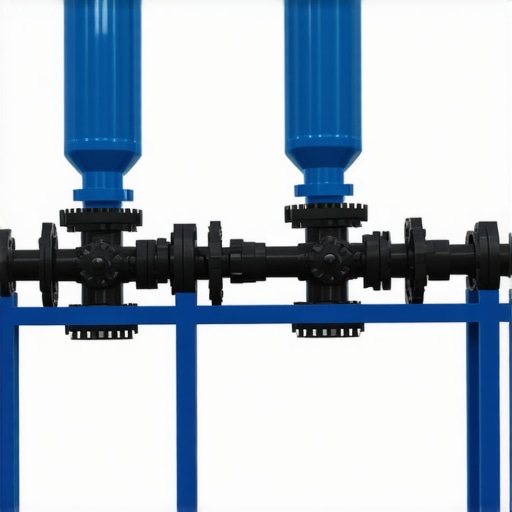
Innovations in Self-Cleaning Filtration Technologies
Emerging self-cleaning filters utilizing electrostatic repulsion, vibratory clearing, and hydrophobic coatings are revolutionizing maintenance regimes. These systems continuously shed accumulated debris, maintaining optimal flow rates and minimizing manual interventions. Compatibility with existing hydrovac machinery and scalability remain focal points for deployment in complex excavation scenarios.
The Power of Soil Amendment Strategies
Applying soil conditioners—like polymer stabilizers—effectively reduces suspended fine particles and stabilizes soil matrices. This chemical stabilization diminishes the influx of problematic particulates into vacuum systems, thereby mitigating filter clogging. Field trials highlight substantial improvements in excavation efficiency and filter lifespan in landscapes with high clay or silt content.
Optimizing Filtration via Modular and Adaptive Designs
Deploying modular filter assemblies allows for seamless reconfiguration in response to changing soil profiles during operation. Incorporating smart valves and sensor feedback facilitates dynamic flow adjustments, preventing overload and enabling targeted cleaning only when necessary. Such modular adaptability enhances overall system resilience, especially in unpredictable underground conditions.
Expert Tips for Extending Filter Service Life in Challenging Environments
Collaborate closely with geotechnical specialists to develop customized filtration strategies, incorporate multi-stage filtering architectures, and schedule predictive maintenance informed by sensor analytics. Maintaining close communication with utility locators ensures safety and reduces the risk of utility damage, further contributing to efficient filtration management.
Why Embrace Emerging Filtration Materials in Hydrovac Systems?
Innovative nanomaterials and ceramic-based membranes offer exceptional resistance to clogging and chemical corrosion. These materials can be engineered for specific soil and debris profiles, providing a durable upgrade over traditional polyester or polypropylene filters. While initial investment may be higher, lifecycle costs are reduced due to decreased replacement frequency and system downtime.
Implementing Real-Time Monitoring to Preempt Clogging
Integrating advanced sensors for vacuum pressure, particle load, and flow rate monitoring enables continuous oversight of filtration performance. Coupled with cloud analytics, these tools facilitate real-time alerts and automated corrective actions, ensuring sustained excavation efficiency and avoiding costly interruptions.
Adopting Soil Separation Technologies to Reduce Filter Stress
High-frequency vibratory separators, electrostatic separators, and magnetic filtering units serve as pre-treatment stages that segregate fines before reaching primary filters. These innovations alleviate the burden on vacuum filters, markedly decreasing clogging incidents, particularly in soils with high clay or silt content. Continuous development in separation technology promises even greater efficiencies in complex subterranean conditions.
What’s Next for Hydrovac Filtration—Future Trends and Technologies?
Looking ahead, the integration of smart filtration media, autonomous sensor networks, and AI-driven maintenance platforms will revolutionize debris management in hydrovac operations. Embracing these breakthroughs will significantly enhance operational resilience, reduce costs, and increase safety standards, positioning industry leaders at the forefront of innovation. Staying engaged with industry research and participating in pilot projects are essential steps for progressive operators seeking competitive advantages.
Expert Insights & Advanced Considerations
Leverage Multi-Stage Filtration for Soil Variability
Implementing multi-stage filtration systems tailored to site-specific soil profiles significantly reduces clogging incidents. Incorporating pre-filters designed for fine particulates can extend primary filter life, providing a proactive approach to system resilience. This aligns with the latest industry standards advocating adaptive filtration architectures.
Integrate Real-Time Sensor Networks for Predictive Maintenance
Deploying sensors to monitor vacuum pressure, flow rates, and filter performance enables early detection of clogging tendencies. Coupled with analytics, this data-driven methodology facilitates scheduled interventions—preventing unexpected downtime and optimizing filter longevity.
Utilize Soil Conditioning and Hydraulic Separation Techniques
Enhancing soil stability with conditioning agents and employing hydraulic separation reduces the ingress of problematic fine particles. These methods stabilize excavation environments, thus minimizing filtration challenges and improving operational efficiency.
Adopt Advanced Filtration Materials for Durability
Transitioning to nanomaterial-based or ceramic membrane filters offers superior resistance to clogging and chemical wear. The investment yields benefits through extended service intervals and decreased maintenance disruptions, particularly in demanding soil conditions.
Stay Abreast with Cutting-Edge Technologies
Emerging innovations like self-cleaning filters, smart adaptive systems, and automated separation units demonstrate substantial potential to revolutionize debris management. Engaging with industry pilots and research accelerates the integration of these solutions into standard practices.
Curated Expert Resources
- HydroVac System Optimization Guide: A comprehensive manual detailing filtration system design tailored to various soil types, emphasizing multi-stage filtering techniques.
- Innovations in Sensor Technology for Excavation Equipment: This resource explores integrating IoT sensors for predictive maintenance and real-time system monitoring.
- Soil Stabilization and Hydraulic Separation Proceedings: Technical papers on employing soil conditioners and hydraulic separation to mitigate filtration clogging.
- Nanomaterials in Filtration Media: Industry reports on the application of advanced materials improving filter durability and efficiency.
- Upcoming Industry Seminars on Smart Excavation Technologies: Opportunities to learn about the latest breakthroughs in autonomous filtration and debris separation systems.
Final Expert Perspective
In the realm of hydrovac operations, mastering filter longevity amidst soil variability is pivotal. Embracing advanced filtration architectures, sensor-integrated predictive maintenance, and innovative soil conditioning techniques empowers operators to mitigate premature clogging effectively. Connecting with industry-leading resources and pioneering emerging technologies will shape the future of excavation safety and efficiency. Professionals dedicated to continuous improvement and knowledge sharing will drive the evolution of resilient, smart systems—creating safer, more sustainable work environments. Engage actively in expert forums, contribute insights, and stay committed to pushing the boundaries of what’s achievable in this dynamic field.