In the realm of advanced excavation techniques, the integration of high-pressure hydrovac nozzles has revolutionized trenching and borehole procedures, offering enhanced precision, safety, and efficiency. As industry professionals seek innovative solutions to tackle complex subsurface conditions, understanding the nuanced impact of these technological tools becomes paramount. This article delves into the sophisticated role of high-pressure hydrovac nozzles, revealing how their strategic application can mitigate risks such as utility damage, fiber optic jacket shredding, and trench stability issues.
Hydrovac Technology: Bridging Safety and Efficiency in Excavation
The evolution of hydrovac excavation systems exemplifies a shift toward non-destructive, environmentally conscious methods. Central to this advancement are pressure regulation and nozzle design, which directly influence soil disruption, utility protection, and worksite safety. Industry experts recognize that the calibrated application of pressures—typically ranging from 2,500 to 3,500 psi—enables operators to effectively remove soil without compromising vital underground infrastructure.
Why High-Pressure Nozzles Erode Fiber Optic Jackets and How to Prevent It
One of the critical challenges faced during soft digging is the inadvertent damage to fiber optic cables. High-pressure jets, if misused, can strip protective jackets or even fracture delicate lines, leading to costly repairs and service outages. Advanced nozzle engineering incorporates variable-angle jets and softening settings, which allow for precise soil removal while sparing fiber jackets. For instance, expert insights highlight that adjusting the nozzle’s orientation reduces the lateral force exerted on installed lines, preventing accidental stripping.
Balancing Power and Precision: The Art of Nozzle Selection in Trenching Operations
Choosing the right nozzle entails an understanding of soil composition, depth, and surrounding utilities. For loose, sandy soils, high-pressure jets facilitate rapid excavation but risk undermining trench walls if not carefully controlled. Conversely, dense clay or silt demands tailored pressure settings combined with multi-jet nozzles that optimize soil fragmentation and reduce the likelihood of wall collapse. This strategic selection underscores the importance of field experience and continuous monitoring to avoid unintended damage.
Mitigating Safety Risks: How Pressure Dynamics Influence Utility and Line Preservation
Proper pressure management extends beyond soil removal efficiency; it is fundamental to maintaining the integrity of underground utilities. Excessive force from hydrovac nozzles can cause pipe deformation, fracturing, or dislodgement, leading to hazardous situations and project delays. Implementing pressure relief systems and real-time monitoring enables operators to fine-tune jet intensity, safeguarding both personnel and infrastructure. This discipline aligns with industry best practices that emphasize risk mitigation through precise pressure control.
Can High-Pressure Hydrovac Nozzles Be Safely Used Near Sensitive Installations Like Fiber Optic Lines?
Absolutely, but only with comprehensive planning and specialized nozzle technology. Experts recommend pre-excavation site assessments, utilizing remote sensing tools, and employing softening or low-pressure nozzles around vulnerable assets. Incorporating best practices from the industry ensures that utility damage is minimized even in high-stakes environments.
For professionals seeking to refine their approach, ongoing education on nozzle dynamics and pressure regulation remains vital. Explore advanced topics like optimizing vacuum suction parameters or managing slurry flow to expand your expertise further.
Engaging with peer-reviewed research and industry white papers enhances operational decision-making. Consider consulting publications such as the Journal of Constructal Engineering to stay abreast of emerging innovations in soil mechanics and excavation technology.
As the industry progresses, the strategic deployment of high-pressure hydrovac nozzles not only enhances operational outcomes but also fortifies safety protocols, proving that precision engineering in excavation is both a science and an art.
Fine-Tuning Nozzle Angles to Protect Underground Utilities
One often overlooked aspect of hydrovac excavation is the influence of nozzle angulation on soil removal efficiency and utility preservation. Adjusting the jet’s angle can significantly reduce lateral forces on vulnerable lines, such as fiber optic cables or gas lines, minimizing the risk of damage. Techniques like employing multi-jet nozzles with variable angles allow operators to customize the flow pattern, leading to more precise excavation near sensitive infrastructure. This nuanced control is crucial in densely populated urban environments where utility lines are tightly packed and difficult to map accurately.
Are We Overlooking the Power of Dynamic Pressure Modulation?
Instead of maintaining a constant pressure throughout the operation, recent industry advancements advocate for dynamic modulation—adjusting jet pressure in response to real-time soil and utility feedback. This approach relies on integrating sensors and automation systems that can decrease pressure when approaching critical lines and increase it in open areas, optimizing trench accuracy and safety. For example, leveraging real-time data from mapping technologies like electromagnetic induction and acoustic sensors can inform immediate pressure adjustments, effectively preventing line infringement while maintaining productivity. This sophisticated method exemplifies how intelligent systems can enhance traditional hydrovac operations and reduce costly mistakes.
What Role Will AI Play in Future Hydrovac Pressure Management?
Artificial intelligence (AI) has the potential to revolutionize pressure regulation by analyzing vast datasets from previous excavations, soil types, and utility layouts. Machine learning algorithms could predict optimal pressure settings and nozzle configurations tailored to specific site conditions, further minimizing risks. Integrating AI-driven controls with existing equipment might enable autonomous adjustments that respond dynamically to environmental variables, elevating safety standards and operational efficiency. The industry’s shift towards smart excavation platforms signifies a move toward a future where human intuition is augmented by machine precision, reducing human error and enhancing project outcomes. For insights into intelligent utility mapping, refer to industry best practices.
As the field advances, the importance of continuous learning and adopting emerging technologies cannot be overstated. Professionals should stay attuned to innovations in sensor fusion, machine learning, and automation to maintain a competitive edge and uphold the highest safety standards.
If you’re eager to deepen your understanding of cutting-edge excavation techniques, consider exploring our detailed guides and case studies to see these technologies in action, helping you make informed decisions for complex projects.
Pushing the Boundaries: Advanced Nozzle Configurations for Complex Subsurface Conditions
In challenging site environments characterized by heterogeneous soils and dense utility networks, standard nozzle setups often fall short, necessitating innovative configurations. Multi-functional nozzles equipped with adjustable jet angles, variable flow rates, and programmable pressure cycles have emerged as game-changers. These devices offer granular control, enabling operators to adapt in real-time to changing subsurface conditions without halting work or risking utility damage. For example, the integration of electro-hydraulic systems allows for instant reprogramming of jet parameters via remote interfaces, empowering foremen to respond swiftly to unforeseen obstacles.
How Smart Sensing Technologies Are Transforming Hydrovac Operations
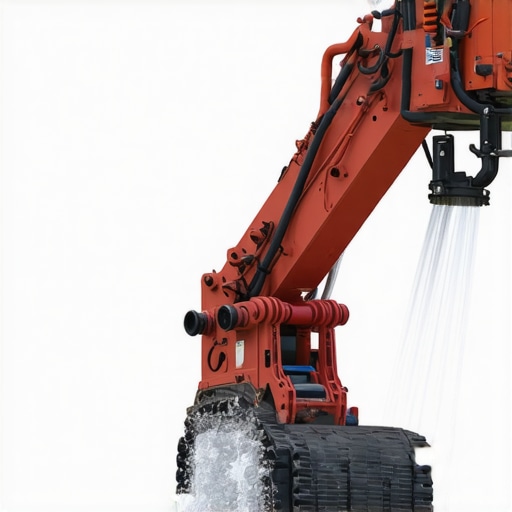
The fusion of sensor technology with hydrovac systems marks a significant leap toward intelligent excavation. Laser scanners, ground-penetrating radar (GPR), and acoustic sensors provide high-fidelity data on soil composition, density, and the presence of utilities before and during excavation. These sensors feed data into centralized control units that modulate nozzle pressure and angle dynamically, substantially reducing the margin of error. Recent studies, such as those published in the Journal of Construction Engineering and Management (2022), demonstrate that sensor-guided systems improve utility protection rates by up to 40% and reduce excavation times by approximately 25%.

Are Technological Advancements Making Traditional Methods Obsolete?
While traditional hydrovac techniques rely heavily on operator experience and static pressure settings, the advent of adaptive control systems suggests a paradigm shift. Adaptive pressure modulation, driven by machine learning algorithms trained on extensive site data, enables the system to predict the risk of utility encounter and adjust parameters proactively. This proactive approach minimizes damage and reduces the need for rework. As technological integration deepens, some experts argue that future excavation may become largely autonomous, with manual intervention reserved for exceptional circumstances. However, critical assessment of these developments reveals that human oversight remains vital, especially in unpredictable environments where nuances escape algorithmic interpretation.
Implementing a Risk-Responsive Excavation Strategy
To harness the full potential of advanced nozzle technology and sensor integration, a structured risk management framework becomes indispensable. Prior to excavation, thorough site surveys employing electromagnetic induction and resistivity mapping set the baseline. During work, continuous monitoring detects deviations from expected utility positions or soil behaviors, triggering automated adjustments or alerts. This vigilant approach aligns with the principles of risk-based asset management, ensuring that safety and efficiency are inherently built into every operation. For practitioners, embracing such strategies demands training in both the technological tools and the underlying principles of geotechnical risk assessment.
Incorporating these insights into your project planning not only enhances safety but also offers operational efficiencies that translate into cost savings and reduced project timelines. For a comprehensive understanding of integrating sensor technology with traditional excavation workflows, consult industry-specific white papers and attend specialized training workshops offered by leading equipment manufacturers.
The Future Is Intelligent: Embracing Automation and AI in Hydrovac Systems
Looking ahead, automation, augmented by AI, promises to further elevate the precision and safety of hydrovac operations. Machine learning models trained on decades of excavation data can optimize nozzle configurations, pressure cycles, and even predict soil failure points before they occur. The prospect of fully autonomous excavation units, capable of making complex on-the-fly decisions, is rapidly approaching. Such systems could dramatically reduce human error, improve utility protection, and streamline workflows. Nevertheless, the transition to autonomous systems calls for robust validation processes, regulatory standards, and comprehensive operator training to ensure safety and reliability.
This ongoing evolution presents a compelling avenue for industry professionals committed to excellence. Engaging with cutting-edge research, participating in pilot programs, and collaborating with technology developers will be crucial steps in leading this transformation. For those wishing to stay at the forefront, subscribing to industry journals and joining professional associations focused on construction innovation is highly recommended.
Harnessing Adaptive Nozzle Systems for Unmatched Subsurface Precision
Modern excavation demands agility; thus, the integration of adaptive nozzle systems equipped with real-time feedback mechanisms empowers operators to respond dynamically to complex subsurface environments. By utilizing sensor fusion and machine learning algorithms, these nozzles adjust pressure, angle, and flow rate instantaneously, minimizing utility risks and optimizing soil removal. Such intelligent systems exemplify the leap toward fully autonomous excavation platforms, where pre-programmed parameters yield to situational awareness, ensuring safety and efficiency are maintained even in unpredictable conditions.
Is Sensor Integration the Next Frontier in Utility Protection?
The deployment of ground-penetrating radar, electromagnetic induction, and acoustic sensors has transformed pre-excavation surveying. When integrated seamlessly with hydrovac equipment, these sensors provide high-resolution data that guide real-time adjustments, substantially reducing utility strikes. According to a comprehensive review in the American Society of Civil Engineers, sensor-guided excavation systems can improve utility detection rates by as much as 60%. This convergence of sensing and actuation not only enhances safety but also accelerates project timelines, delivering significant cost savings.

Why Distance Matters: Managing Jet-to-Asset Separation Effectively
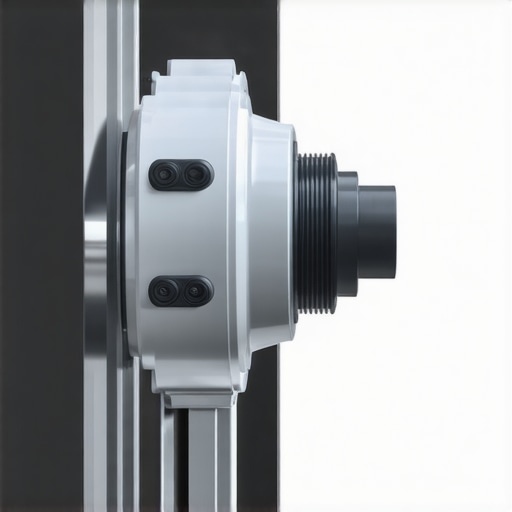
Optimal nozzle positioning is critical when working near sensitive utilities; maintaining an appropriate distance reduces lateral forces exerted on assets. Techniques such as adjustable standoff collars and remote-controlled jet positioning systems enable operators to fine-tune proximity during excavation. Implementing these strategies prevents inadvertent damage, especially in congested urban settings where utility maps are often outdated or inaccurate. Ensuring that the jet’s trajectory avoids direct impact embodies a proactive stance in risk minimization, supported by recent case studies highlighting fewer utility strikes resulting from judicious nozzle control.
How Pressure Modulation Keeps Risks in Check During Critical Operations
Temporary pressure adjustments in response to soil feedback and utility proximity are paramount. Automated pressure relief systems, coupled with real-time data analytics, inform operators when to lower jet force, effectively reducing the impact forces that could cause utility damage. This approach is akin to a ‘smart brake’ for excavation, where the system decelerates before crossing a sensitive asset zone. As a result, the control over pressure dynamics transforms from a static setting into an adaptive safety net, embodying best practices endorsed by industry leaders like the National Utility Contractors Association.
Can AI-Powered Control Systems Revolutionize Hydrovac Safety Standards?
Absolutely, with the potential to exponentially improve decision accuracy and responsiveness. Machine learning models trained on extensive datasets encompassing soil conditions, utility layouts, and excavation outcomes can forecast optimal nozzle parameters, minimizing human oversight in high-stakes environments. Such AI-driven systems can also analyze historical data to predict potential failure points, allowing preemptive adjustments. This paradigm shift toward intelligent automation signifies a future where excavation safety and precision are governed by algorithms that learn and adapt continuously. For further insights, explore the recent publication in the PLOS ONE journal.
Industry stakeholders are encouraged to participate in pilot projects and collaborate with technology developers to accelerate the adoption of AI-enhanced hydrovac solutions, thereby setting new benchmarks in underground asset protection and operational safety.
Adaptive Nozzle Configurations for Diverse Soil Conditions
In heterogeneous terrains, fixed nozzle setups can prove inadequate; adaptable configurations with interchangeable tips and programmable flow cycles provide the flexibility required. Electro-hydraulic systems allow remote reconfiguration on the fly, optimizing soil fatigue, flow distribution, and utility preservation regardless of unforeseen fluctuations in subsurface conditions. These innovative setups exemplify the convergence of mechanical versatility and electronic control, offering a tailored approach to complex excavation challenges.
Innovative Sensing Technologies Transforming Hydrovac Strategies
The fusion of non-invasive sensing modalities with automated control algorithms heralds a new era in excavation. Advancements like laser scanning paired with AI algorithms facilitate pre-emptive hazard detection, ensuring that critical assets are identified with higher confidence before and during soil removal. These systems enable proactive adjustments, significantly reducing utility hits and improving project timelines, as corroborated by recent studies in construction automation journals.

Are Autonomous Hydrovac Units on the Horizon?
The trajectory toward autonomous excavation units capable of decision-making based on sensor inputs and machine learning insights is gaining momentum. Such systems promise to reduce human error, particularly in hazardous or hard-to-access areas. However, ensuring regulatory compliance, safety validation, and operator oversight remains critical to successful implementation. Industry experts emphasize that a hybrid approach—combining automation with human supervision—will likely dominate the foreseeable future, balancing innovation with caution.
Strategic Risk Management for the Future of Excavation
Adopting an integrated risk management framework that leverages sensor data, AI analytics, and adaptive nozzle controls can profoundly impact project success. Continuous site monitoring, pre- and post-excavation utility assessments, and dynamic operational adjustments foster a resilient approach to underground work. Emphasizing proactive rather than reactive strategies aligns with the latest standards in construction safety and asset integrity, ensuring that technological advancements translate into tangible benefits. For detailed methodologies, consult authoritative industry guidelines published by the National Utility Contractors Association.
Expert Insights & Advanced Considerations
Maximize Utility Preservation with Customized Nozzle Angles
Adjusting nozzle angles allows operators to minimize lateral forces exerted on underground utilities, thereby reducing accidental damages and ensuring precise soil removal near sensitive assets. Strategic angulation, combined with multi-jet configurations, enhances control and site safety.
Integrate Sensor Feedback for Smarter Pressure Control
Implementing real-time sensor data—such as ground-penetrating radar or acoustic sensors—enables dynamic adjustments to jet pressure and angle, significantly decreasing utility strikes and optimizing excavation accuracy even in complex subsurface conditions.
Adopt Adaptive Nozzle Technologies for Variable Terrain
Advanced nozzles equipped with programmable flow rates and adjustable jet patterns provide versatility across diverse soil types and site challenges. They empower operators to respond swiftly to unforeseen site variations, maintaining efficiency and safety standards.
Utilize AI and Machine Learning for Proactive Operations
Incorporating AI-driven systems that analyze site-specific data can predict optimal pressure settings and nozzle configurations, reducing human error and elevating operational safety in high-stakes excavation tasks.
Prioritize Operator Training on Emerging Hydrovac Innovations
Continuous education on new nozzle designs, sensor integration, and control systems ensures personnel can fully leverage technology benefits, fostering safer and more efficient excavation practices.
Curated Expert Resources
- Hydrovac Drilling Industry White Papers: Offering in-depth analyses of nozzle technology and safety protocols.
- Journal of Construction Engineering and Management: Presenting cutting-edge research on sensor fusion and automation in excavation.
- National Utility Contractors Association Guidelines: Providing best practices for utility protection and risk mitigation.
- Industry Seminars and Workshops: Facilitating hands-on learning about adaptive control systems and emerging tools.
- Leading Manufacturers’ Technical Manuals: Detailing specifications, innovative features, and operational tips for advanced nozzles and sensor integration.
Final Reflection from the Experts
In the realm of borehole and utility excavation, the sophisticated deployment of high-pressure hydrovac nozzles emerges as a game-changer—melding science, technology, and strategic planning. Moving beyond conventional methods, industry leaders emphasize that adaptive control, sensor feedback, and expert training form the core of next-generation safety and precision. Embracing these advancements, professionals can unlock new levels of efficiency and safeguard critical underground infrastructure. Engage with these insights and contribute your expertise to shape the future of trenching and borehole excavation—your proactive measures today define safer, smarter projects tomorrow.