Unveiling the Paradox of Flooded Trenches Despite Adequate Pumping Capacity
In the realm of utility installation and maintenance, vacuum excavation has revolutionized the approach to trenching, offering safety and precision. Yet, a perplexing issue persists among experienced operators: trenches flooding despite employing high-capacity pumps. Understanding this phenomenon requires a nuanced examination of soil mechanics, hydrogeological factors, and equipment limitations.
The Interplay of Soil Properties and Fluid Dynamics in Trench Flooding
At the core, trench flooding involves more than mere pump capacity; it hinges on complex soil-water interactions. Heavy clay soils, for instance, exhibit low permeability, hindering effective drainage and leading to water accumulation despite robust pumping. Referencing studies from the Journal of Hydrology, soil hydraulic conductivity plays a pivotal role in water ingress, often surpassing pump capabilities in rate. Additionally, groundwater levels can elevate unexpectedly, overwhelming designed drainage thresholds, creating scenarios where pump flow rates are effectively insufficient.
Why Equipment Alone May Fail to Prevent Trench Flooding
Operators may assume that upgrading pumps will solve flooding issues, yet this overlooks the importance of system design and site assessment. Factors such as inadequate trench slope, poor positioning of discharge outlets, or clogging of intake filters can severely diminish pump efficacy. For instance, an overloaded vacuum system could suffer from airflow restrictions, diminishing suction and not removing water as intended. A key insight from industry experts highlights how trench shoring and water management are interlocked; neglecting the soil’s saturation level predisposes the site to flooding regardless of pump power.
Analyzing the Role of Hydrogeological Conditions in Flooding Events
High groundwater tables, especially during seasonal rains, significantly influence trench stability and drainage efficiency. On heavy clay soils, perched water tables can develop rapidly, necessitating the use of advanced dewatering techniques such as well points or sump pumps. Without acclimating to the site’s hydrogeology, high-capacity pumps may merely circulate water rather than extracting it effectively, leading to persistent flooding. Integrating geotechnical assessments ensures operational strategies are aligned with local aquifer behaviors.
Expert Strategies to Mitigate Flooding](https://hydrovacdrilling.com/why-your-site-prep-fails-when-the-water-table-rises)
Effective management transcends pump specifications; it involves holistic site assessment and proactive drainage planning. Engaging geotechnical consultants can diagnose soil permeability challenges, facilitating tailored solutions like geological stabilization or customized dewatering systems. Furthermore, employing real-time soil moisture monitoring and adaptive pumping schedules enhances water control. A case study from Hydrovac Drilling demonstrates how combining these methods averts flooding, even in high-water-table conditions. Operational flexibility and ongoing site evaluation are crucial in navigating the unpredictability of subsurface water movement.
How Can Field Operators Anticipate and Correct Site-Specific Flooding Triggers?
This question underscores the importance of advanced site characterization, including soil sampling, hydrogeological modeling, and equipment calibration. Professionals should utilize sensor data and site history to predict water ingress patterns, adjusting their techniques preemptively. Additionally, integrating site-specific soil treatment methods, such as chemical demulsifiers or soil reinforcement, can improve drainage effectiveness. Continued knowledge sharing within the industry, including forums like Hydrovac Drilling’s technical articles, enriches collective expertise on flood prevention strategies.
For those interested in further refining their water management strategies during vacuum excavation, exploring advanced dewatering methods and soil stabilization techniques is recommended. Sharing insights and field experiences fosters innovative solutions to this complex challenge.
Why Soil Behavior Trumps Pump Power in Flood Control
While investing in high-capacity pumps might seem like the logical solution to trench flooding, soil characteristics often play a more decisive role. Heavy clay, silty, or saturated soils can act as natural water reservoirs, rendering even the most powerful pumps insufficient if their limitations aren’t accounted for. Soil permeability, or hydraulic conductivity, directly influences how water infiltrates and accumulates within excavated zones. A comprehensive understanding of the geological context—through thorough geotechnical investigations—can inform the selection of dewatering methods tailored to specific soil profiles, exceeding the efficacy of mere equipment upgrades.
Leveraging Site-Specific Hydrological Models for Proactive Planning
One mistake operators frequently make is relying solely on static measurements, neglecting the dynamic nature of groundwater flows. Deploying advanced hydrological modeling tools allows for predictive insights into water ingress based on historical rainfall, seasonal variations, and aquifer behavior. These models, when integrated with real-time monitoring data, enable adaptive pumping schedules and elevated dewatering techniques such as well points or deep well systems. Such proactive strategies shift the focus from reactive flooding responses to preventative management, which is crucial, especially in high water table zones or during seasonal rains. For an in-depth guide on integrating these models into field practice, consult industry-leading frameworks outlined by professionals at Hydrovac Drilling.
The Critical Impact of System Design and Maintenance on Flood Prevention
Beyond equipment specifications, the design of the dewatering system—such as placement of discharge outlets, trench slope inclination, and filter management—can significantly influence flood risk. Inadequate design often results in poor water flow, clogging, or stagnant zones that trap water for extended periods. Regular maintenance—like clearing intake filters and ensuring unobstructed pathways—is essential to sustain optimal pump performance. Additionally, incorporating fail-safes such as automatic shutoff valves and pressure sensors can alert operators to emerging issues before flooding occurs. A holistic approach that combines proper design, systematic checks, and adaptive operation amplifies the effectiveness of flood prevention measures.
Understanding Groundwater Dynamics: A Key to Strategic Drainage
Recognizing how groundwater responds to surface conditions and human activity helps in anticipating flooding scenarios. For instance, during prolonged rainfall, perched water tables can unexpectedly rise, overwhelming existing drainage setups. In such cases, installing auxiliary measures like sump pumps or creating leak-proof sumps can provide a safety net. Additionally, involving hydrogeologists to interpret site-specific groundwater movement patterns can guide strategic interventions, such as installing well points for continuous dewatering or employing soil stabilization techniques that bound water movement. For detailed strategies on groundwater management, see more at Hydrovac Drilling.
Could Advanced Soil Treatment Techniques Offer a Solution to Persistent Flooding?
This question invites exploration into innovative soil remediation methods, such as chemical soil stabilization, bioengineering, or the use of polymer additives, which can reduce permeability and water inflow. These practices, although more complex and potentially costly, can create more predictable conditions and prevent flood scenarios in high-risk environments. By combining geotechnical insights with emerging treatment technologies, operators can develop a multi-layered defense against flooding that surpasses traditional pumping limits. For guidance on applying these advanced techniques effectively, industry professionals often reference comprehensive case studies available through Hydrovac Drilling.
If you’re seeking to sharpen your flood mitigation toolkit, consider engaging with specialists in site hydrology and geotechnical engineering to develop customized, evidence-based solutions. Sharing field experiences and technological innovations within industry networks accelerates collective progress toward safer, more reliable trenching practices.
Innovative Soil Stabilization Techniques to Combat Chronic Flooding
Addressing persistent trench flooding requires a shift toward proactive soil management. Advanced soil stabilization methods, such as chemical grouting, bio-stabilization, or soil reinforcement with geosynthetics, have demonstrated significant promise in rendering problematic soils impervious or less permeable. For example, polymer-based soil stabilization can dramatically reduce hydraulic conductivity, creating a more controlled environment for dewatering efforts. Incorporating these techniques necessitates a comprehensive geotechnical assessment to identify soil weaknesses and tailor interventions accordingly, ultimately enhancing the efficacy of pump systems and minimizing flooding risks.
Leveraging Computational Hydrological Models to Forecast Water Inflow Patterns
In high-stakes excavation projects, traditional static measurements fall short in predicting dynamic water ingress. Advanced computational models—integrating rainfall forecasts, aquifer test data, and site-specific soil properties—enable operators to simulate groundwater flow and anticipate peak inflow periods. These models, built upon finite element or finite difference principles, facilitate strategic planning of dewatering operations, optimizing pump placement and timing. Moreover, coupling models with real-time sensor data empowers operators with adaptive control, reducing downtime and mitigating flood occurrences. As computational power advances, adopting such predictive tools becomes increasingly accessible and indispensable for complex trenching scenarios.
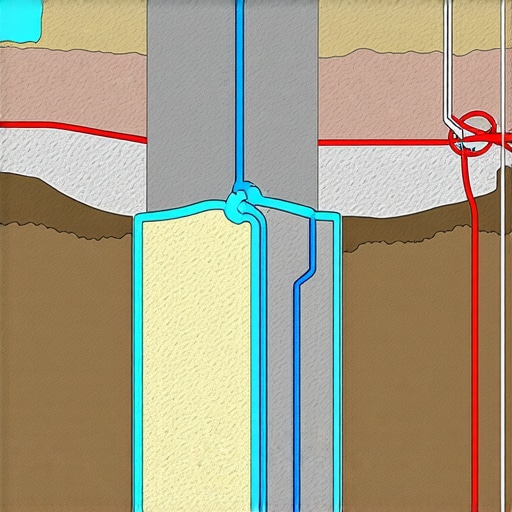
Visualize groundwater flow dynamics within trench systems using flow simulation diagrams, showcasing the impact of soil properties and pump placement on water management efficacy.
Cross-Disciplinary Approaches to Flood Resilience in Trench Work
Implementing resilient solutions necessitates collaboration across geotechnical engineering, hydrogeology, and systems design. Integrating insights from these disciplines ensures that dewatering systems are not solely reliant on pump power but are optimized through thoughtful trenching layouts, strategic placement of drainage outlets, and well-considered soil treatments. For example, installing interceptor drains upstream of trenches can divert groundwater before it infiltrates, reducing load on primary dewatering systems. Similarly, continuous monitoring of soil moisture and groundwater levels can inform adaptive strategies, allowing teams to respond swiftly to unforeseen fluctuations in site conditions, particularly during seasonal transitions or heavy rainfall events.
Fostering Industry Innovation through Knowledge Sharing and Research
To push the boundaries of trench flood prevention, industry professionals must actively engage in knowledge exchange. Participating in specialized forums, publishing detailed case studies, and collaborating on research initiatives accelerate the adoption of emerging technologies and best practices. Publications such as the “International Journal of Geotechnical Engineering” offer peer-reviewed insights into cutting-edge stabilization methods and modeling techniques. Furthermore, pilot projects that experiment with novel soil amendments, sensor-driven control systems, and adaptive dewatering configurations provide invaluable real-world data, refining approaches and expanding the toolkit available for complex scenarios. Maintaining an open dialogue within the community fuels ongoing innovation and ensures that trenching operations evolve in tandem with scientific advancements.
Are there emerging sensor technologies that can revolutionize water management during trenching?
Recent developments in soil moisture sensors, wireless data transmission, and autonomous monitoring systems hold transformative potential. For instance, the deployment of multi-depth soil sensors connected through IoT networks enables continuous, real-time assessment of subsurface conditions. These systems can trigger automated responses such as adjusting pump rates or activating additional drainage measures when thresholds are exceeded. As sensor costs decrease and connectivity improves, integrating these technologies into routine trenching operations will become standard practice, allowing for more precise, data-driven water control. For detailed insights into implementing such systems, industry leaders recommend consulting recent case studies published within specialized engineering journals and industry conferences.
By embracing these advanced soil treatment methods and smart monitoring solutions, operators can transform trench flooding challenges from reactive dilemmas into manageable, predictable phenomena—achieving safer, more efficient excavation processes. The journey toward flood-resilient trenching is continuous, driven by interdisciplinary innovation and a commitment to adaptive problem-solving.
Innovative Approaches to Soil Stabilization for Enhanced Flood Control
Beyond traditional dewatering techniques, recent advancements in soil stabilization methods offer promising avenues for mitigating trench flooding risks. Techniques such as chemical grouting, bio-environmental stabilization, and geopolymer injection have shown exceptional potential in modifying soil permeability and strength, thereby creating a more controlled subsurface environment. These interventions, tailored through comprehensive geotechnical assessments, can dramatically reduce water ingress and extend the longevity of dewatering systems. Collaborating with geotechnical specialists enables operators to implement these solutions effectively, transforming flood-prone sites into resilient excavation zones.
Are Smart Sensors the Future of Water Management in Trenching?
Emerging sensor technologies equipped with IoT connectivity are revolutionizing water management strategies. Multi-parameter sensors capable of real-time soil moisture, groundwater level, and flow velocity measurements provide granular data that inform immediate operational adjustments. Automated systems utilizing this data can modulate pump activity dynamically, preventing over- or under-drainage. As these technologies become more cost-effective and robust, integrating intelligent monitoring into standard trenching protocols promises a paradigm shift from reactive to predictive flood control, significantly reducing downtime and environmental impacts.
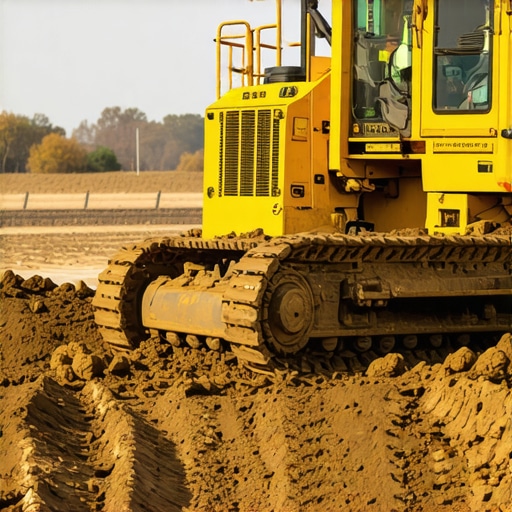
Illustration of a climate-resilient trench site utilizing integrated sensor systems for proactive water management.
Harnessing Computational Models to Predict Subsurface Water Dynamics
Advanced hydrogeological modeling tools employing finite element analysis and machine learning algorithms enable detailed simulation of groundwater flow paths under varying conditions. By inputting site-specific data — including soil properties, aquifer characteristics, and anticipated rainfall patterns — operators can forecast potential flood events with high precision. This predictive capability allows for strategic planning, such as optimizing pump placement, designing effective drainage layouts, and scheduling dewatering activities during critical periods. Incorporating these models into project workflows elevates trench management from guesswork to scientific precision, reducing unforeseen flooding incidents and enhancing overall efficiency.
Strategic Site Assessment as the Cornerstone of Flood Prevention
Comprehensive pre-construction site assessments go well beyond simple soil tests. Integrating hydrogeological surveys, high-resolution geophysical imaging, and seasonal water table monitoring yields a holistic understanding of site-specific water inflow trends. Such multidimensional data enable targeted interventions like installing interceptor drains, adjusting trench orientations, or employing soil amendments before excavation begins. Proactive planning based on detailed assessments minimizes the reliance on high-capacity pumps alone, ensuring more sustainable and predictable water management throughout the project lifecycle.
What Role Do Environmental Factors Play in Flood Management Success?
Environmental variables such as seasonal precipitation, surface runoff patterns, and nearby water bodies significantly influence trench flooding potential. Recognizing these factors, operators can implement strategic timing for excavation activities, utilize temporary barriers, or employ adaptive dewatering techniques synchronized with weather forecasts. Understanding local hydrological cycles also aids in selecting appropriate soil treatments and drainage methods, aligning construction schedules with natural water flux periods. Proactively integrating environmental data ensures that flood prevention measures are resilient against seasonal and climatic variations, safeguarding both project integrity and ecological stability.
Expert Insights & Advanced Considerations
Integrated Soil Management Enhances Drainage Efficiency
Implementing tailored soil stabilization and permeability modification techniques is crucial for effective water removal in trenching projects. Combining chemical stabilization with mechanical reinforcement can significantly reduce water ingress rates, allowing pumps to operate at optimal efficiency and minimizing flooding incidents.
Groundwater Modeling Transforms Site Planning
Utilizing sophisticated hydrogeological models enables precise prediction of subsurface water movement, empowering operators to design dewatering systems that preempt flooding. These models consider seasonal variations and aquifer behaviors, facilitating adaptive strategies.
Sensor-Driven Water Management Revolutionizes Operations
Emerging IoT-enabled sensors provide real-time data on soil moisture and water levels, allowing for dynamic adjustment of pump operation. This proactive approach ensures consistent water control, reduces downtime, and enhances safety during excavation.
Strategic Drainage and Site Layout Make the Difference
Designing trenches with optimal slope and drainage pathways, complemented by interceptor drains, diverts groundwater before it reaches critical zones. Proper site layout, informed by site assessment, reduces reliance solely on pump capacity and offers sustainable flood prevention.
Deep Hydrogeological Assessments Prevent Surprises
Comprehensive geotechnical and hydrogeological investigations lay the groundwork for effective flood management. Understanding local water table dynamics and soil properties informs the selection of customized dewatering and stabilization methods, ensuring resilience against high water tables and seasonal rains.
Curated Expert Resources
- Journal of Hydrology – Offers cutting-edge research on soil hydraulic properties and groundwater behavior critical for designing effective dewatering solutions.
- Hydrovac Drilling Technical Articles – Practical guides and case studies on advanced dewatering methods, sensor integration, and site assessment techniques.
- Geotechnical Engineering Journals – In-depth analyses on soil stabilization technologies and modeling tools for trench project optimization.
Final Expert Perspective
Effectively managing flood risks in vacuum excavation hinges less on pump power and more on a holistic understanding of soil mechanics, hydrogeology, and system design. Embracing proactive site assessment, innovative soil treatments, and intelligent water management tools elevates trenching operations beyond reactive fixes. For professionals dedicated to excellence, leveraging these advanced strategies not only enhances safety and efficiency but also positions your projects at the forefront of industry resilience. Engage with expert resources and share your insights to foster continual improvement in flood control practices across the trenching community.