Innovating Water Management in Large-Scale Hydrovac Projects
As underground excavation demands intensify amidst rising environmental concerns, the adoption of sophisticated water efficiency strategies in hydrovac operations has become paramount. Mastering water conservation not only reduces operational costs but also aligns project execution with stringent environmental standards, positioning industry stakeholders as leaders in sustainable excavation practices.
Understanding the Complex Interplay of Water Usage and Subsurface Conditions
Effective water management hinges on a deep comprehension of geological variability, soil moisture content, and utility interference. Variations in subsurface conditions influence the volume of water required for optimal excavation, necessitating adaptive techniques such as dynamic flow control and real-time monitoring to prevent wastage while maintaining excavation integrity.
What are the emerging technological advancements in water recycling for hydrovac operations that can significantly reduce freshwater consumption in large-scale projects?
Emerging innovations, including closed-loop water recycling systems and real-time sensor arrays, have demonstrated promising potential in minimizing freshwater intake. Implementing these technologies requires a nuanced understanding of system integration and site-specific constraints, which are critical for maximizing efficiency and operational reliability. For detailed insights, refer to Hydrovac Pressure Optimization Articles.
Adaptive Techniques for Water Conservation in Dynamic Excavation Environments
Water flow adjustments, informed by geological assessments and operational feedback, enable targeted conservation without compromising excavation quality. Techniques such as pressure modulation and flow modulation are essential, especially when navigating sensitive utilities or avoiding over-excavation, which can lead to unnecessary water usage and environmental disturbance.
Leveraging Field Data to Reduce Water Waste
The integration of advanced monitoring systems facilitates precise water application, ensuring minimal wastage and enhanced project sustainability. Data-driven decision-making enhances accountability and allows operators to fine-tune processes such as suction adjustments, pressure settings, and mud water ratios in real-time, leading to significant water savings.
What role does crew training play in enhancing water efficiency during large-scale hydrovac excavations?
Properly trained personnel are vital for implementing and maintaining water conservation protocols effectively. Comprehensive training on equipment operation, real-time monitoring, and adaptive techniques ensures that water-saving measures are consistently applied, reducing operational costs and environmental impact. Explore related strategies at Vacuum System Optimization.
Industry leader insights emphasize that sustainable excavation hinges on continuous innovation, technological adoption, and skilled workforce engagement. Harnessing these elements can revolutionize water management paradigms in large-scale hydrovac projects, making them more efficient, environmentally responsible, and cost-effective.
Harnessing Smart Sensors for Real-Time Water Management
Integrating intelligent sensor networks into hydrovac systems offers unprecedented precision in water usage. These sensors monitor soil moisture, utility interference, and excavation dynamics, allowing operators to dynamically adjust flow rates and pressure settings. Such technological evolution not only minimizes water wastage but also enhances safety by preventing utility damage. For example, sensors that detect changes in soil compaction can trigger automatic flow adjustments, reducing the risk of overuse or underutilization of water resources. To optimize sensor deployment and data analysis, consider consulting industry best practices outlined in Vacuum System Optimization.
Can predictive analytics revolutionize water conservation by forecasting soil and utility conditions before excavation even begins?
Predictive analytics, fueled by machine learning algorithms analyzing geological surveys, historical project data, and real-time environmental inputs, have the potential to forecast subsurface conditions with high accuracy. This proactive approach enables preemptive adjustments to water management strategies, significantly reducing waste and avoiding utility damages. For instance, by predicting zones of potential utility interference, crews can adapt their methods to use less water or alternative techniques, ultimately conserving resources and reducing project delays. Staying ahead of such complexities aligns with industry shifts toward data-driven decision-making, as discussed in authoritative sources like Hydrovac Pressure Control Advances.
Innovative Approaches to Minimize Water Impact in Fragile Environments
In environmentally sensitive areas, adopting specialized water management techniques is crucial. These include deploying biodegradable lubricants, utilizing minimal water flow in conjunction with vacuum extraction, and employing temporary impermeable barriers to prevent groundwater interference. Such strategies demand a nuanced understanding of local ecology and hydrology, fostering collaboration between engineers, environmental scientists, and local authorities. Additionally, integrating water recycling units that treat and reuse water on-site reduces the need for external freshwater sources, aligning with sustainable development goals. For detailed methodologies, explore Field Techniques for Sensitive Sites.
Empowering Crew Expertise to Drive Water Efficiency
Training programs that embed water conservation principles into daily operational routines are vital. By cultivating a culture of environmental responsibility, crews become proactive in identifying inefficiencies and suggesting improvements. Instruction about equipment calibration, adaptive techniques, and contingency planning ensures that every team member contributes to minimizing water footprint, fostering continuous improvement. Moreover, involving personnel in data collection and analysis enhances accountability and rapid response capabilities. For more on effective training frameworks, visit Training and System Optimization.
As the industry approaches 2026, innovative water management remains a cornerstone for sustainable, cost-effective hydrovac operations. Emphasizing technology, predictive insights, and skilled personnel ensures the ongoing evolution of best practices in water conservation—making those operations smarter, safer, and more environmentally compatible.
Maximizing Water Recycling with Innovative Membrane Technologies
Recent advancements in membrane filtration—such as ultrafiltration, nanofiltration, and reverse osmosis—have revolutionized water recycling in hydrovac operations. These systems effectively remove suspended solids, dissolved minerals, and organic contaminants, producing high-quality recycled water suitable for reuse in excavation processes. Integrating modular membrane units allows for scalable deployment tailored to project size, enabling significant reductions in freshwater dependence.
What are the challenges of implementing membrane systems in the field, and how can they be addressed to ensure reliable operation?
Membrane fouling, pressure loss, and membrane lifespan are primary obstacles. Solutions involve pre-treatment of water to reduce particulate load, routine cleaning protocols, and real-time monitoring of system performance. Additionally, leveraging antifouling membranes and automatic cleaning cycles enhances longevity and operational stability, ensuring consistent water quality essential for precise hydrovac functions. For comprehensive strategies, consult industry-specific case studies at Hydrovac Membrane Applications.
Integrating IoT and AI for Optimized Water Recovery
The convergence of Internet of Things (IoT) sensors with artificial intelligence (AI) analytics presents unprecedented opportunities for water management. Sensor arrays track parameters like turbidity, pressure differentials, and flow rates, transmitting real-time data to AI platforms that can predict system anomalies, optimize flow control, and schedule maintenance proactively. This intelligent automation minimizes wastage and maximizes resource reuse, leading to cost savings and environmental benefits.
How does predictive maintenance using AI extend the lifespan of water recycling infrastructure in demanding excavation environments?
AI-driven predictive analytics analyze historical and real-time sensor data to forecast equipment failure modes before they occur. Proactive maintenance reduces unplanned downtime, prevents costly repairs, and mitigates water quality issues caused by equipment degradation. Implementing these systems results in sustained operational efficiency and environmental compliance, especially critical in remote or sensitive sites where system reliability is paramount. For detailed implementation frameworks, see AI in Hydrovac Infrastructure Management.
Enhancing System Performance with Adaptive Control Algorithms
Adaptive algorithms automatically adjust operational parameters such as flow rates, pressure settings, and filtration cycles based on incoming sensor data and project-specific parameters. This dynamic control ensures optimal water quality and quantity, minimizes energy consumption, and extends equipment lifespan. Such intelligent systems are particularly advantageous in variable subsurface conditions where static settings may lead to inefficiencies or operational hazards.
Can machine learning models accurately forecast subsurface water content to preemptively tailor water usage?
Absolutely. Machine learning models trained on extensive geological, hydrological, and operational datasets can predict moisture levels, permeability rates, and utility interference zones. These predictions enable operators to pre-plan water application, reducing wastage and avoiding over-saturation risks. Incorporating these models requires rigorous data collection and validation but offers substantial ROI through enhanced precision and sustainability. For advanced methodologies, explore technical briefs in Machine Learning in Subsurface Analysis.
Closing the Loop: On-Site Water Treatment and Reuse Strategies
Beyond filtration, on-site water treatment methods such as chemical precipitation, biological treatment, and advanced oxidation processes are being adopted to achieve near-zero discharge operations. These techniques effectively neutralize contaminants, enabling multiple reuse cycles and complying with strict environmental regulations. Implementing portable treatment units also offers flexibility for diverse project conditions, facilitating sustainable practices regardless of site-specific constraints.
As water reuse technologies evolve, the focus shifts toward creating closed-loop systems that minimize external water sourcing, lower disposal costs, and uphold ecological integrity. Continuous innovation in treatment efficiency and system integration will be key drivers in achieving operational and environmental excellence in large-scale hydrovac projects.
Harnessing Advanced Sensor Technologies for Precise Water Management
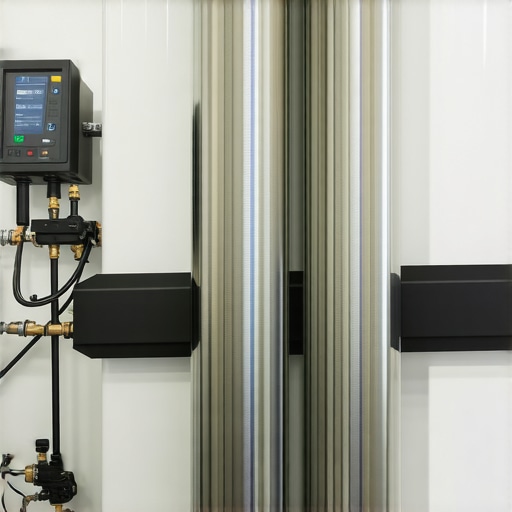
Integrating state-of-the-art sensor networks within hydrovac systems offers unparalleled accuracy in monitoring real-time soil conditions, utility interactions, and equipment performance. These sensors facilitate dynamic adjustments in water flow and pressure, ensuring optimal excavation efficacy while minimizing wastage. The deployment of multispectral imaging and acoustic sensors further enhances subsurface detection capabilities, allowing operators to preemptively address utility interference and optimize water usage accordingly.
The Power of Data Analytics in Predicting Subsurface Water Dynamics
Applying sophisticated data analytics, including machine learning algorithms and statistical modeling, empowers operators to forecast subsurface moisture levels and utility locations with high precision. This proactive insight enables strategic planning that reduces unnecessary water application, prevents utility damages, and streamlines resource allocation. For instance, predictive models trained on historical geological data can identify zones prone to high water retention, guiding targeted water conservation measures.
What are the latest innovations in membrane filtration to enhance water recycling in harsh environments?
Recent developments in membrane technology, such as ceramic ultrafiltration and graphene-enhanced membranes, have improved durability and filtration efficiency under demanding operational conditions. These innovations enable the treatment of contaminated water streams with higher turbidity and organic loads, expanding the feasibility of on-site recycling and reuse. Moreover, adaptive cleaning protocols utilizing robotic systems maintain membrane performance, reducing downtime and maintenance costs.
Real-time Control Algorithms Elevate Water Conservation Efforts
Adaptive control algorithms utilize continuous sensor data to automatically fine-tune hydraulic parameters, such as flow rates and pressure settings. This intelligent regulation ensures each excavation zone receives just enough water needed for efficient operation, significantly reducing excess usage. Implementing such systems also allows instant response to unforeseen variations in soil composition or utility interference, maintaining safety and efficiency standards at all times.
Can predictive maintenance extend the lifespan of water treatment and recycling infrastructure?
Indeed. Leveraging AI-driven predictive maintenance platforms that analyze operational data can identify potential equipment failures before they manifest, enabling targeted interventions that prevent costly breakdowns. This approach not only sustains system performance but also optimizes resource utilization and reduces environmental impact by maintaining high water quality standards over extended periods. For implementation strategies, review case studies available at Predictive Maintenance Resources.
Optimizing Water Reuse with Modular Treatment Units in Varied Landscapes
Modular water treatment units equipped with scalable filtration and disinfection modules facilitate adaptable reuse strategies across diverse excavation sites. Their portability allows rapid deployment in remote or sensitive environments, maintaining high water quality while minimizing environmental disturbance. Integrating these units with real-time monitoring enhances process control, ensuring compliance with environmental regulations and sustainability goals.
Expert Insights & Advanced Considerations
Harness Predictive Analytics to Foresee Subsurface Challenges
Leveraging machine learning and geological data allows precise anticipation of utility interference and soil moisture conditions, enabling proactive water management strategies that minimize waste and prevent utility damages.
Integrate Cutting-Edge Sensor Networks for Dynamic Control
Implementing multispectral and acoustic sensors provides real-time insights into subsurface conditions, facilitating immediate adjustments to flow and pressure, optimizing water usage, and safeguarding sensitive utilities.
Adopt Modular Membrane Technologies for Reliable Recycling
Advanced filtration systems, such as ceramic ultrafiltration and graphene-enhanced membranes, ensure high-performance on-site water reuse even in contaminated or challenging environments, reducing dependency on external water sources.
Prioritize Crew Training Focused on Sustainability
Investing in comprehensive training programs that emphasize water conservation techniques, equipment calibration, and adaptive tactics fosters a culture of environmental responsibility, enhancing operational efficiency.
Explore the Synergy of IoT and AI for Optimal Management
Connecting sensors with AI analytics enables predictive maintenance, dynamic flow adjustments, and anomaly detection, ensuring consistent water conservation and system longevity in demanding excavation contexts.
Curated Expert Resources
- Hydrovac Pressure Optimization Articles: Offers insights into pressure control advancements that reduce water consumption and protect utilities.
- Vacuum System Optimization Blog: Provides best practices for maintaining efficient vacuum systems and conserving water during excavation.
- Advanced Membrane Technologies Case Studies: Details on high-performance filtration methods suitable for difficult environmental conditions.
- AI in Hydrovac Infrastructure Management: Explores the role of artificial intelligence in predictive maintenance and system optimization.
- Machine Learning in Subsurface Analysis: Demonstrates how predictive models improve accuracy in utility locating and soil moisture forecasting.
Final Expert Perspective
In the realm of large-scale hydrovac projects, embracing innovative water management practices driven by predictive analytics, sensor integration, and advanced filtration is essential for sustainable, cost-effective operations. Continual investment in workforce education and cutting-edge technology will position industry leaders at the forefront of ecological responsibility and operational excellence. For those committed to pushing the boundaries of excavation efficiency, deepening engagement with these resources and technologies is the logical next step—your next project’s success depends on it. Share your experiences or explore more advanced strategies to refine this vital aspect of modern excavation workflows.
Comments are closed.