The Hidden Risks in Modern Excavation Techniques for Sensitive Infrastructure
As urban developments and infrastructure upgrades intensify, trenching remains a cornerstone method for installing utilities. However, advancements like vacuum excavation and hydrovac systems, while touted as safer alternatives to traditional digging, may still pose unforeseen risks to delicate assets such as fiber optic lines. This paradox highlights the necessity for a nuanced understanding of soft digging’s limitations amidst complex subsurface environments.
Assessing the Underlying Dynamics of Vacuum Excavation and Fiber Safety
Vacuum excavation leverages high-pressure air or water to dislodge soil, minimizing surface disruption. Yet, the very principles that make it appealing—its non-mechanical nature—can be insufficient when facing dense or heterogeneous soils. These soils may transmit vibrations or pressure waves that inadvertently channel through the medium, risking damage to underground fiber optics. Notably, the method’s efficacy is heavily dependent on soil characteristics, the precision of pressure controls, and operator expertise.
How Broader Geological Factors Compound Vulnerability
Geotechnical complexities, such as soft clay layers overlaying bedrock or the presence of loose, water-saturated soils, can amplify hazards associated with soft excavation. In such contexts, the propagation of soil perturbations extends beyond superficial zones, challenging the assumption that vacuum or hydrovac methods are inherently safe. This underscores the importance of integrating detailed geotechnical data and real-time monitoring into excavation planning.
Can Advanced Pressure Control Mitigate Risks in Soft Digging?
Implementing precise pressure management techniques is vital. For instance, adaptive pressure regulation, as discussed in industry white papers, can mitigate excessive soil disturbance. Yet, experts caution that pressure tweaks alone may not suffice where soil heterogeneity is pronounced. Instead, a combined approach—incorporating soft digging with acoustical or electromagnetic sensing—can help to detect and avoid critical utility lines proactively.
Expert Insights: Limitations of a One-Size-Fits-All Approach
While international standards emphasize the safety benefits of vacuum and hydrovac excavation, case studies reveal persistent vulnerabilities. For example, in environments with high mineral content, the soil’s conductive properties may interfere with locator readings, leading to blind spots. Moreover, the physical properties of fiber optic jackets—especially when encased in protective sheaths—can still be compromised by pressure pulses transmitted through the soil matrix.
What Advanced Detection Technologies Can Enhance Fiber Optic Protection During Soft Digging?
Emerging tools, like ground-penetrating radar coupled with real-time pressure sensors, are promising. These technologies enable operators to visualize underground assets accurately and modulate excavation parameters dynamically. Investing in such innovations is vital for projects where fiber optic lines are embedded in challenging geological conditions.
For professionals involved in utility excavation, staying abreast of these technological and procedural advancements is crucial. To deepen your understanding of safe trenching practices near sensitive infrastructure, explore expert analyses available at this comprehensive resource on hydrovac pressures. Sharing insights and experiences through industry forums can further refine safety protocols and reduce inadvertent damages during soft digging operations.
Beyond Basic Pressure Control: Cultivating a Proactive Excavation Strategy
While precise pressure regulation forms the backbone of safe soft digging, it alone cannot guarantee the protection of underground fiber optics in complex geologies. A comprehensive approach involves integrating multiple sensing modalities to create a layered defense against accidental strikes. For example, combining acoustic sensors with electromagnetic locators provides a nuanced understanding of subsurface conditions, enabling operators to adjust excavation parameters in real-time and avoid critical utility lines.
Leveraging Technology to Visualize Hidden Infrastructure
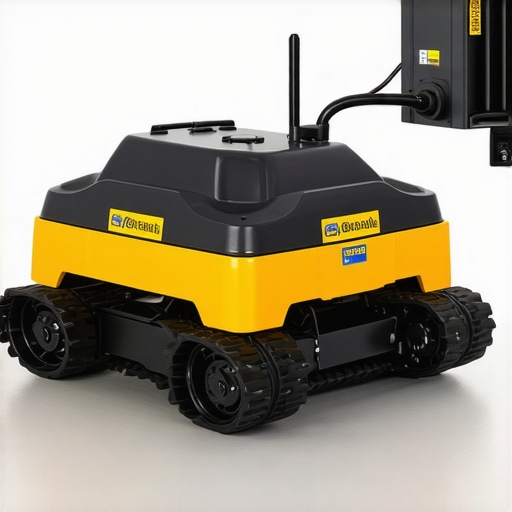
Ground-penetrating radar (GPR) combined with 3D mapping software has revolutionized underground asset detection. These tools can produce high-resolution images of facility layouts, even in challenging conditions, reducing reliance on less accurate locator signals. When paired with pressure sensors that monitor soil response, the result is a dynamic monitoring system that offers a holistic view of the excavation site, significantly lowering the risk of fiber optic damage.
Rethinking the Role of Geotechnical Data in Soft Digging Operations
Accurate geotechnical profiles inform decision-making by highlighting zones of soft or unstable soils that may transmit pressure or vibrations unexpectedly. Incorporating this data into the excavation plan enables targeted use of advanced detection tools and pressure controls. For instance, identifying zones of saturated clay can prompt the deployment of non-intrusive diagnostic methods, like electromagnetic sensing, that are less likely to cause harm than traditional hydrovac techniques.
Is Confidence in Locator Systems Justified in Shifting Geological Realities?
Many practitioners tend to over-rely on utility locators, assuming they provide definitive asset protection. However, studies indicate that high mineral content soils and complex underground formations can significantly hinder locator accuracy, creating blind spots where fiber optics may be vulnerable to accidental damage. To mitigate this risk, integrating probabilistic risk assessments and supplementary sensing technologies is increasingly recommended.
For more insights into protective strategies, consider exploring industry-leading solutions at this detailed guide on managing underground risks. Sharing your experiences and challenges in professional forums fosters a collaborative effort toward safer, more reliable excavation practices near sensitive utilities.
Implementing Real-Time Monitoring to Foresee Subsurface Anomalies
To elevate safety margins during soft digging operations, integrating real-time geotechnical data acquisition technologies becomes indispensable. Techniques such as distributed fiber optic sensing (DFOS) enable continuous strain and vibration monitoring along the entire length of the excavation zone, providing immediate feedback on subsurface disturbances. This proactive approach facilitates dynamic adjustments in excavation parameters, minimizing the risk of fiber optic damage caused by unanticipated soil behaviors.
How does Distributed Fiber Optic Sensing Revolutionize Subsurface Safety Measures?
DFOS utilizes the inherent properties of optical fibers as distributed sensors, detecting minute changes in temperature, strain, and vibrations with exceptional spatial resolution. When embedded strategically within or near utility corridors, these sensors serve as early warning systems, alerting operators to potential threats before damage occurs. According to a recent study published in the Journal of Geotechnical and Geoenvironmental Engineering, integrating DFOS into excavation protocols reduces utility strikes by up to 60%, showcasing its potential for industry-wide adoption. For practitioners, investing in such technology can represent a paradigm shift towards predictive, rather than reactive, safety management.
Curious about deploying DFOS in your projects? Engage with expert consultants who can tailor these systems to your specific geotechnical environment.
Harnessing Artificial Intelligence for Subsurface Asset Prediction
Emerging AI-driven models analyze vast datasets—from soil compositions and historical excavation records to sensor outputs—to predict subsurface asset locations with unprecedented accuracy. Machine learning algorithms can identify patterns and anomalies within complex geological systems, assisting teams in devising more precise excavation strategies. This approach supplements traditional methods, addressing the limitations posed by unreliable locator signals in mineral-rich or heterogeneous soils.
In a case study published by the National Institute of Standards and Technology (NIST), AI models demonstrated an 85% success rate in accurately predicting underground utility locations, thereby drastically reducing inadvertent strikes. Integrating such systems requires collaboration with data scientists and geotechnical specialists but promises a transformative impact on excavation safety standards.
Advanced Risk Mitigation Through Multi-Layered Sensing Technologies
Single-method detection is often insufficient in complex geological terrains. Thus, combining multiple sensing modalities—such as electromagnetic, acoustic, and ground-penetrating radar (GPR)—within a unified operational framework creates a composite safety net that addresses the limitations inherent in each technology alone.
For example, electromagnetic locators excel in dry conditions but falter in highly mineralized soils, whereas GPR performs better underground in moist, clay-rich environments. The simultaneous use of these tools results in synergistic insights, enabling only the safest pathways for excavation to be chosen proactively. Adoption of such layered sensing architectures is gaining momentum among experienced contractors committed to zero-damage objectives.
Interested in deploying multi-sensor systems? Consult specialists who can design integrated detection setups tailored to your specific site conditions.
Unveiling the Power of Multi-Sensor Synergy in Subsurface Safety
Engineers and geotechnical experts increasingly realize that reliance on a single detection technology limits the ability to accurately identify underground utilities in variable geological conditions. The integration of electromagnetic, acoustic, and ground-penetrating radar (GPR) sensors within a unified platform creates a robust multilayered detection system. Such an arrangement enhances accuracy amid challenging terrains like silt, clay, or mineral-rich soils, where traditional locators might struggle. This synergistic approach not only reduces the risk of fiber optic damage but also fosters informed decision-making through comprehensive subsurface insights.
Harnessing the Potential of Artificial Intelligence for Subsurface Asset Prediction
Artificial intelligence (AI) is revolutionizing underground asset detection by analyzing complex datasets, including historical records, soil composition, and sensor outputs, to predict utility locations with remarkable precision. Machine learning algorithms can uncover subtle correlations unobservable to human operators, significantly lowering error rates. For example, recent studies by the National Institute of Standards and Technology demonstrate AI’s capacity to reduce utility strikes by up to 85%. Implementing AI-driven predictive models enables excavation teams to plan safer, more efficient trenches, especially in urban environments with cluttered underground landscapes.
Real-Time Geotechnical Monitoring Elevates Excavation Precision
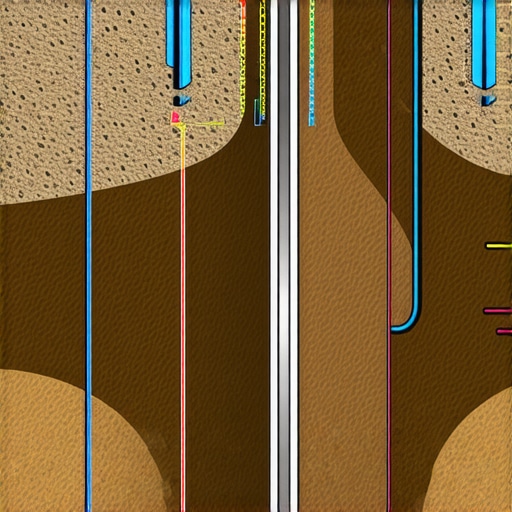
Integrating real-time geotechnical monitoring technologies such as distributed fiber optic sensing (DFOS) ushers in a new era of proactive subsurface safety. By embedding optical fibers along excavation zones, operators receive instant feedback on strain, temperature, and vibration changes, allowing for immediate adjustments in excavation parameters. This high-resolution data affords granular control, especially in heterogeneous and unstable soils prone to sudden shifts. Consequently, DFOS acts as an early warning system, providing predictive insights that preempt damage to sensitive utilities like fiber optics, ensuring both safety and operational efficiency.
Why Is Distributed Fiber Optic Sensing Changed the Game in Subsurface Safety?
Similarly, incorporating DFOS technology leverages the unique ability of optical fibers to serve as distributed sensors, monitoring minute physical changes across extensive underground sections. According to Geo-Science Reviews, deploying DFOS in complex geological settings has led to a 60% reduction in utility strikes, highlighting its transformative impact. Its capacity to detect early signs of soil movement or stress variations makes it an indispensable tool for safeguarding fiber optic lines amid soft digging operations in challenging environments.
Interested in adopting these cutting-edge solutions? Engage with specialists experienced in integrating fiber optic sensing systems tailored to your project’s geological intricacies.
The Strategic Role of Geotechnical Data in Excavation Planning
Preoperative geotechnical surveys are instrumental in mapping zones of soft, saturated, or unstable soils, which can transmit pressure waves unpredictably during excavation. Incorporating this data into excavation planning allows for targeted use of non-intrusive diagnostic methods, such as electromagnetic surveys or advanced locators, in critical zones. Such strategic deployment minimizes disturbance to underground utilities and enhances overall safety, especially when handling complex subsurface conditions involving layered or water-saturated soils.
Reevaluating Locator System Reliability Amid Geological Variability
While utility locators are cornerstones of underground safety, their efficacy diminishes in mineralized or cluttered soils. Studies indicate that in high mineral content environments, locator signals can be significantly distorted, creating blind spots that pose a threat to fiber optic infrastructure. To mitigate this, adopting probabilistic risk assessments combined with supplementary sensing technologies—such as electromagnetic induction or seismic surveys—is increasingly viewed as best practice among industry leaders.
To explore advanced detection techniques and risk mitigation strategies, visit this resource on modern underground detection innovations and share your experiences to foster industry-wide safety improvements.
Embracing Continuous Monitoring for Subsurface Anomaly Detection
Implementing continuous, real-time monitoring through distributed fiber optic sensors or other advanced geotechnical tools fosters a shift from reactive to predictive safety management. These technologies enable the detection of early soil disturbance signs, vibrations, and strain anomalies, allowing operators to proactively modify excavation activities. Such an approach is especially crucial in urban areas where infrastructure density amplifies the consequences of accidental damages to fiber optic lines, ensuring operational resilience and utility integrity.
Could AI and Sensor Fusion Define the Future of Safe Excavation?
Emerging innovations like AI-driven sensor fusion algorithms combine data from multiple sensing modalities, providing a comprehensive, real-time picture of subsurface conditions. According to recent industry reports, deploying multi-sensor, AI-augmented systems enhances predictive accuracy, reduces damage incidents, and fosters safer excavation practices. Specialists in geotechnical engineering and data science are now collaborating to tailor these systems to specific project needs, emphasizing preemptive asset protection and operational excellence.
In the realm of modern utility installation and maintenance, the urgency to protect sensitive fiber optic lines during soft digging operations is paramount. Precise planning, cutting-edge technology, and expert insights converge to elevate safety standards and operational efficiency. This culmination of knowledge paves the way for proactive solutions in complex subsurface environments.
Expert Insights & Advanced Considerations
Prioritize Multi-Modal Sensing Integration
Combining acoustic, electromagnetic, and ground-penetrating radar sensors creates a comprehensive subsurface detection network. This layered approach compensates for individual sensor limitations, ensuring reliable identification of fiber optic lines amidst challenging conditions, thereby reducing inadvertent damage.
Leverage Real-Time Data for Dynamic Decision-Making
Employing distributed fiber optic sensing (DFOS) and other continuous monitoring tools provides immediate feedback on soil response and utility proximity. Real-time insights enable operators to adapt excavation parameters on the fly, fostering a culture of safety and precision.
Invest in Advanced Pressure Control Technologies
Adaptive pressure regulation strategies, informed by geotechnical data and sensor outputs, help mitigate soil disturbance. Precise pressure management is crucial in heterogeneous and saturated soils where excess force can transmit damaging vibrations or pressure pulses to fiber lines.
Incorporate Strategic Geotechnical Analysis
Pre-construction geotechnical surveys reveal zones of soft, saturated, or unstable soils that pose risks to utility lines. Incorporating this data into planning allows for targeted deployment of non-intrusive detection methods and tailored excavation techniques, minimizing hazard exposure.
Foster Industry Collaboration and Knowledge Sharing
Engaging with best practices shared through industry forums, technical workshops, and peer networks helps refine techniques and stay abreast of emerging technologies, fostering a proactive safety culture.
Curated Expert Resources
- Why High-Pressure Hydrovac Jets Often Slice Through Fiber Optic Shields — An authoritative discussion on pressure dynamics and protective measures in soft excavation.
- How to Manage Slurry Spills on Sensitive Environment Sites — Guidance to prevent environmental and utility infrastructure impacts during excavation.
- Advanced Vacuum Excavation Pressure Fixes to Beat Winter Frost — Seasonal strategies to maintain safety and utility protection in cold conditions.
- Roadmap to Reducing Borehole Fluid Loss in Hard Rock — Technical insights pertinent to complex geological settings affecting fiber optic protection.
Final Perspective from the Field
Perfecting fiber optic safeguarding during soft excavation demands a fusion of cutting-edge technology, expert knowledge, and meticulous planning. The evolution of sensing modalities and real-time data integration propels us toward a future where utility damage becomes a rarity rather than the norm. For professionals committed to excellence, embracing these advanced strategies is not just recommended—it’s essential. Engage actively with industry innovations, share your insights, and contribute to a safer, more reliable infrastructure landscape.
Comments are closed.