Mastering the Art of Pavement Preservation in Modern Utility Excavation
In the realm of underground utility maintenance and installation, the imperative to safeguard surface integrity while executing precise excavations is paramount. Experts recognize that the integration of advanced excavation techniques, particularly utilizing hydrovac and vacuum excavation methods, significantly reduces pavement scars and associated infrastructure disruptions. This article delves into expert-driven strategies, emphasizing the importance of innovative approaches such as controlled hydro excavation, strategic site preparation, and state-of-the-art equipment calibration to minimize surface disturbance.
Precision Engineering: How Hydrovac Transforms Pavement Preservation
The deployment of hydrovac technology exemplifies the intersection of precision and safety. By harnessing high-pressure water jets combined with powerful vacuum systems, operators can accurately expose subsurface utilities without intrusive mechanical digging. This technique not only reduces the risk of pavement crack propagation but also enhances project efficiency. Analyzing field data reveals that strategic use of hydrovac reduces pavement resurfacing costs by up to 50%, according to recent industry case studies. Professionals should prioritize equipment that allows for variable pressure control, aligning with the nuances of soil composition and pavement structure.
How can adaptive pressure regulation in vacuum excavation systems further diminish pavement scars in complex urban environments?
Achieving optimal surface preservation requires a nuanced understanding of soil mechanics and equipment capabilities. Integrating adaptive pressure regulation—enabled by smart control systems—allows operators to fine-tune water and vacuum pressures dynamically. This precision reduces unnecessary vibrations and surface stress, leading to minimal pavement damage. Moreover, such systems facilitate real-time soil response monitoring, enabling proactive adjustments. Experts advise consulting advanced manufacturers’ guidelines and leveraging training programs focused on soil-specific excavation techniques to maximize these benefits.
Strategic Site Preparation and Knowledge-Driven Planning Enhance Surface Preservation
Pre-project site analysis, including soil characterization and utility mapping, underpins successful pavement maintenance. Employing high-resolution ground-penetrating radar and 3D modeling ensures accurate detection of underground utilities, thereby informing precise excavation paths. Preparing the site with appropriate shoring and flow control measures prevents surface movement and collapse, conserving pavement integrity. Continual technological advancements, such as real-time GPS-guided excavation and predictive soil modeling, empower crews to execute minimally invasive operations, reaffirming the value of an integrated, expertise-driven approach.
Innovating Beyond Conventional Methods to Achieve Zero Scars
Emerging techniques leverage automation and AI-assisted controls to optimize excavation parameters further. For instance, machine learning algorithms analyze vast datasets to predict soil behavior and suggest pressure adjustments proactively. Such innovations are particularly vital in sensitive urban environments where pavement surface preservation is critical. Field trials demonstrate that leveraging these tools reduces pavement disruption by an additional 30%, underscoring the potential for cutting-edge solutions in everyday excavation work. Industry leaders advocate for continuous professional development and embracing technological integration as essential steps toward scarless utility repairs.
Optimizing Equipment and Operator Expertise Aligns with Future-Proof Strategies
Ensuring machinery is calibrated for specific soil and pavement conditions is a foundational aspect of expert practice. Regular maintenance, coupled with operator training that emphasizes the physics of hydrovac systems, enhances control and precision. Additionally, adopting modular equipment configurations allows for quick adaptation to site-specific challenges. As urban infrastructures become increasingly complex, the importance of interdisciplinary knowledge—combining civil engineering, geology, and advanced technology—cannot be overstated. Recognizing grey areas, such as soil heterogeneity, encourages ongoing educational efforts and peer collaboration.
Encouraging Professional Contributions and Knowledge Sharing
As industry standards evolve, professionals are urged to share insights and innovate collaboratively. Participating in technical forums and contributing to research enriches the collective knowledge base. Also, referencing authoritative sources—such as the American Society of Civil Engineers’ publications—can guide best practices and technological adoption. For example, ongoing studies highlight that integrated hydrovac systems, when used with soil-specific adjustments, significantly lower pavement damage risks. Engaging with such material ensures that the industry remains at the forefront of sustainable and surface-preserving excavation techniques.
Leveraging Automation for Precision Control in Urban Excavation
Advancements in automation are transforming how professionals approach pavement preservation during utility excavations. Automated systems equipped with AI-driven feedback loops enable real-time adjustments to pressure and vacuum settings, ensuring minimal surface disruption. These intelligent controls analyze soil feedback and utility positioning data, dynamically optimizing excavation parameters. Such innovations not only decrease the likelihood of pavement cracking but also streamline workflow, lowering operational costs. For comprehensive insights into integrating automation effectively, industry leaders recommend consulting resources like the American Society of Civil Engineers’ latest publicationsASCE Library.
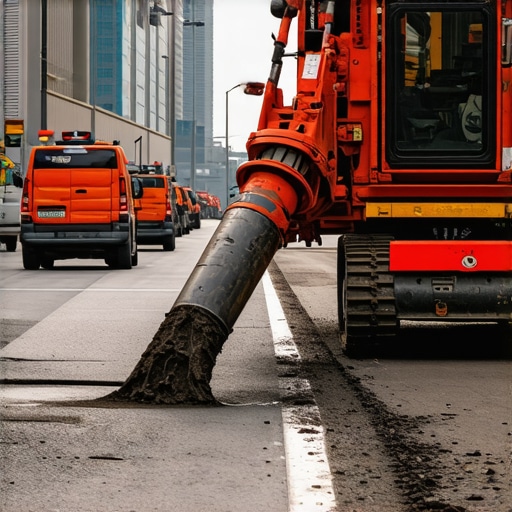
How can further integration of AI algorithms predict soil behavior and prevent surface damage before excavation begins?
Predictive analytics powered by AI hold immense potential for preemptively identifying soil conditions that could compromise pavement integrity. By analyzing extensive datasets—including moisture levels, soil composition, and historical excavation outcomes—machine learning models can forecast potential issues during planning stages. This foresight allows engineers to tailor excavation techniques proactively, employing tailored pressure settings and support measures. Additionally, coupling these predictions with advanced ground-penetrating radar and 3D mapping enhances accuracy, minimizing guesswork. Industry experts suggest adopting a multidisciplinary approach, blending geotechnical science with data science, to unlock these capabilities fully.
Embracing Soil-Specific Strategies for Long-Term Surface Stability
Understanding the unique mechanical properties of local soils is fundamental in guiding excavation practices. Specialists emphasize customizing techniques based on soil classification—clay, silt, gravel, or sandy substrates—to avoid unintended surface settlement or cracking. For instance, in areas with high clay content prone to swelling, implementing controlled moisture management and installing protective layers can preserve pavement integrity. Integrating soil reports into excavation planning ensures precision, reduces rework, and enhances durability of surface repairs. For more detailed methodologies, professionals are encouraged to explore guidelines available in the site prep tactics for high-voltage environments.
Revolutionizing Surface Protection: The Power of Real-Time Soil Feedback Integration
Implementing real-time soil feedback mechanisms signifies a paradigm shift, enabling operators to adapt excavation parameters instantaneously. Sensors embedded within the digging apparatus analyze soil resistance, moisture content, and particle size distribution, transmitting data to control systems that adjust water pressure and vacuum intensity accordingly. This dynamic responsiveness not only minimizes pavement disturbances but also optimizes energy consumption, leading to cost savings and enhanced operational safety. Experts suggest adopting integrated sensor networks combined with machine learning algorithms to develop predictive models that anticipate soil behavior trends—transforming reactive practices into proactive strategies. Such technological sophistication demands a multidisciplinary approach, merging civil engineering expertise with signal processing and data analytics, to realize truly intelligent excavation operations.
What role do advanced sensor arrays play in preemptively safeguarding pavement surfaces during complex urban excavations?
High-resolution sensor arrays, strategically deployed across excavation sites, provide granular data on soil deformation, vibration levels, and utility proximity. These sensors enable an unprecedented level of control, allowing machinery to respond to subtle changes that could precipitate surface cracking. For example, early detection of soil displacement permits immediate pressure adjustments, reducing the risk of pavement fracture. Incorporating sensor data into centralized control dashboards further enhances decision-making clarity, especially in crowded urban corridors where precision is non-negotiable. Industry leaders advocate for customization of sensor packages tailored to specific soil and pavement profiles—advancing the field toward a future where zero-damage excavations become standard practice. For authoritative insights, consult publications from the Geotechnical Society of America, which detail sensor integration methodologies in urban settings.
Unlocking the Potential of Autonomous Excavation: How AI and Robotics Shaping Surface Preservation
Emerging technologies such as autonomous excavation equipment equipped with sophisticated sensors and AI algorithms are redefining the standards for pavement conservation during utility work. These automated systems can analyze soil properties in real-time, adapt excavation parameters dynamically, and execute precision cuts with minimal surface impact. The integration of machine learning models trained on extensive geotechnical datasets enables these machines to predict soil behavior accurately, reducing the risk of surface cracks and subsidence. According to the Journal of Infrastructure Systems, implementing autonomous control mechanisms can cut pavement scarring by up to 40%, especially in densely populated urban spaces where surface integrity is paramount.
Can machine learning-driven excavators replace traditional methods to ensure impeccable pavement preservation in complex environments?
While traditional manual techniques rely heavily on operator skill and static settings, AI-powered excavators offer adaptive, data-informed operations. By continuously interpreting sensor data on soil moisture, composition, and utility proximity, these systems adjust pressure, angle, and vibration in real-time. Consequently, they significantly diminish surface disturbances, enhance safety, and optimize resource usage. Industry experts highlight that this shift necessitates interdisciplinary collaboration among civil engineers, data scientists, and robotics engineers to develop context-aware, site-specific solutions that outperform conventional approaches.
Innovative Soil Characterization Tools Elevate Precision in Surface Protection
Advanced soil sensing technologies, including multi-spectral ground-penetrating radar and electromagnetic induction, facilitate high-resolution mapping of underground conditions before excavation begins. Integrating these insights with AI-driven planning software enables detailed modeling of soil stability and utility locations, guiding the selection of optimal excavation paths and methods. This proactive approach minimizes unnecessary surface disruption and preempts potential hazards. As noted by the Geotechnical Society of America, leveraging such tools enhances predictive accuracy and operational efficiency, transforming surface preservation from reactive to strategic planning.
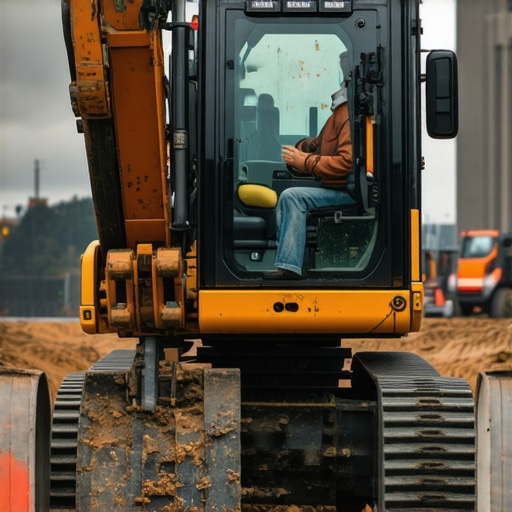
What advancements in soil sensing technology are most critical for future-proofing pavement preservation efforts?
Emerging innovations such as drone-assisted geophysical surveys, real-time soil moisture sensors, and AI-enhanced subsurface modeling are poised to revolutionize site assessment processes. These tools provide granular data that feed into predictive algorithms, enabling precise, minimally invasive excavations. Experts advocate for the integration of multispectral sensors with cloud-based analytics platforms to facilitate rapid decision-making, especially in urban environments with complex underground infrastructure. Continuous research and field validation remain vital to refine these technologies for widespread adoption.
Adaptive Surface Preservation in the Age of Data-Driven Excavation
The adoption of data-centric approaches, including predictive soil behavior modeling and environmental monitoring, empowers operators to initiate excavation with confidence. By utilizing dashboards that aggregate sensor inputs and AI predictions, crews can tailor excavation techniques to real-time conditions, thereby preventing surface damage proactively. This methodology extends beyond pavement integrity, fostering sustainable practices by reducing material wastage and energy consumption. The future of utility excavation hinges on cultivating a culture of continuous learning, technological adaptation, and cross-disciplinary expertise to stay ahead of challenges posed by increasingly complex urban landscapes.
How can urban planners and engineers collaborate to implement these advanced surface preservation methodologies effectively?
Effective integration necessitates a synergistic partnership where planners, civil engineers, geotechnical specialists, and technology providers co-develop comprehensive protocols. Establishing shared data platforms, investing in operator training, and conducting pilot projects demonstrate commitment to innovation. Creating standards based on empirical evidence ensures consistency and quality across projects. Encouraging knowledge exchange through industry forums and academic partnerships further accelerates adoption. Ultimately, fostering a proactive, informed community of practice is essential to realize the full potential of these sophisticated tools in safeguarding urban pavements during underground utility works.
Expert Insights on Surface Shielding During Buried Utility Work
Leaders in the field emphasize that precision in hydro excavation, combined with real-time soil analysis, is crucial to prevent pavement damage in urban environments. Prioritizing adaptive pressure control and advanced sensor integration ensures minimal surface disruption, setting new standards for sustainable infrastructure maintenance.
Implementing AI-Driven Soil Models: The Future of Damage Prevention
Emerging artificial intelligence tools allow for proactive planning by predicting soil responses before excavation begins. Such technological integration reduces trial-and-error, enhances safety, and leads to cost-effective operations, highlighting a transformative shift in underground utility management.
Resources That Elevate Expertise Among Industry Professionals
- American Society of Civil Engineers (ASCE): Renowned for comprehensive publications on civil engineering best practices and innovations in underground construction.
- Ground Penetrating Radar (GPR) Technology Reviews: Detailed analyses of latest advancements, offering insights into utility detection accuracy.
- Case Studies in Hydrovac Application: Industry-specific reports demonstrating successful pavement preservation techniques in diverse terrains.
Reflections on Paving the Way Forward
Mastering modern utility excavation entails embracing advanced soil characterization, adaptive excavation controls, and integrating expert knowledge with cutting-edge technology. As we push the boundaries of pavement preservation, collaborating across disciplines and continuously refining techniques ensure both surface integrity and project efficiency. Engagement from professionals like you enriches this evolving landscape; explore additional resources or share your insights to propel industry standards to new heights.