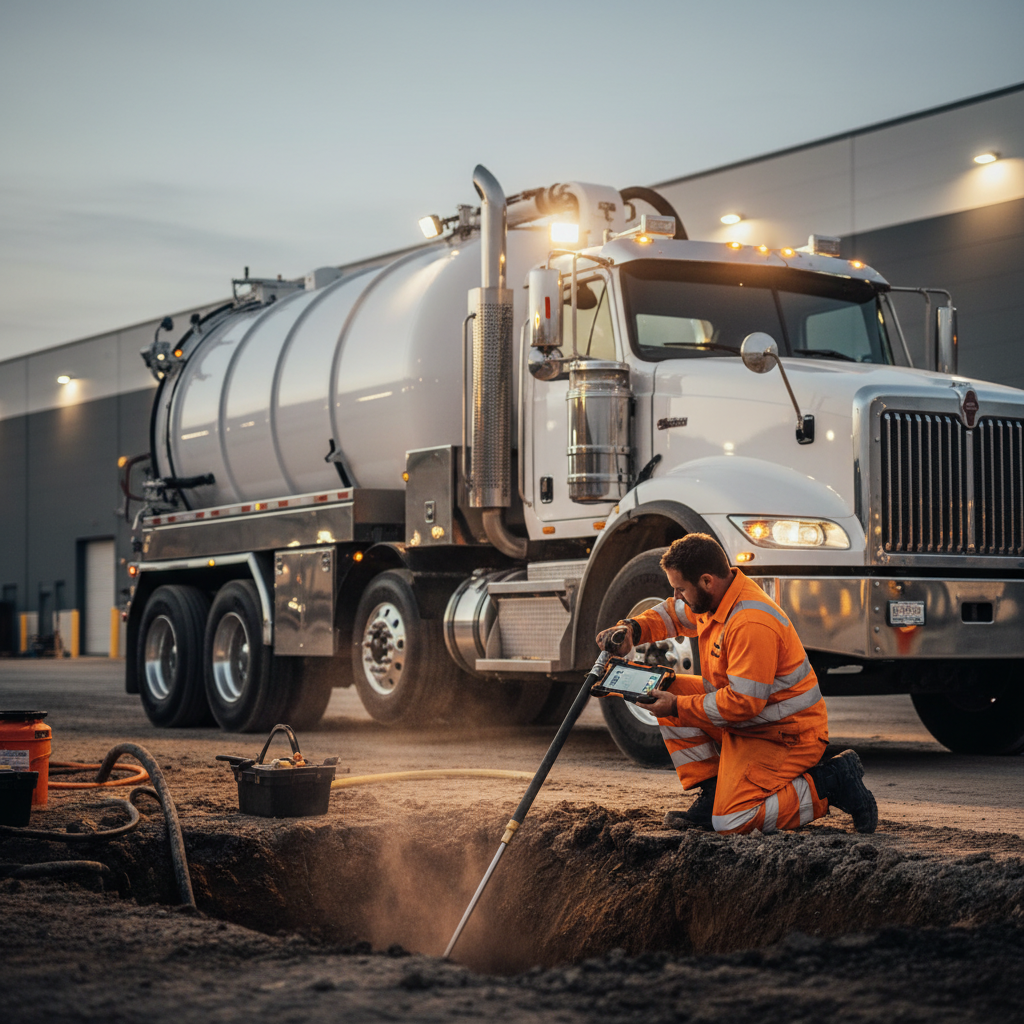
Engineer Zero-Strike Excavations With Precision Hydrovac Data
Precision excavation. Zero strikes. Streamlined results.
Stop gambling with mechanical trenching near live utilities. We provide the exact water pressure calibrations and vacuum metrics required to expose buried infrastructure safely. Protect your site, eliminate repair liabilities, and keep your Troy excavation projects on schedule.
Surgical Excavation Metrics for Civil Infrastructure

💧 Soil-Specific PSI Calibration
Different soil profiles require exact water pressure adjustments. We detail the exact PSI ranges needed to penetrate heavy clay or loose loam without damaging encased fiber optic lines.
🔦 Precision Utility Daylighting
Expose subsurface utilities visually before heavy machinery arrives. Our protocols ensure a 100 percent visual confirmation of gas and electrical lines within a 12-inch tolerance zone.
🏗️ High-Velocity Slot Trenching
Dig narrow trenches for conduit installation at 1.5 cubic yards per hour. We show you how to optimize the vacuum tube placement to prevent trench wall collapse.
❄️ Heated Hydro-Excavation
Frozen ground halts standard excavators. Learn the exact boiler temperature settings required to cut through frost layers up to 36 inches deep without thermal damage to PVC pipes.
🚛 Slurry Containment Logistics
Efficient hydrovac drilling generates heavy liquid spoil. We break down the payload capacities and decanting procedures needed to maximize time on site and minimize disposal trips.
0
Utility Strikes
Mechanical digging causes a utility strike every 6 minutes in the US; our hydrovac protocols eliminate this risk entirely.
3,000+
PSI Thresholds
We map the exact water pressure limits required to safely expose everything from high-voltage cables to delicate telecom lines.
1.5x
Faster Daylighting
Hydro-excavation exposes buried infrastructure 50 percent faster than manual hand-digging in compacted soil conditions.
Implement Data-Driven Hydrovac Protocols
1
Assess Soil and Utility Depth
Review the geotechnical report and 811 locate marks. Determine the exact soil composition to set baseline water pressure and vacuum flow rates.
2
Calibrate the Hydrovac Unit
Dial in the boiler temperature and water pump PSI based on the target utility. A 2,000 PSI setting cuts through hardpan while keeping a 4-inch PVC gas main intact.
3
Execute Non-Destructive Digging
Deploy the digging wand and vacuum tube simultaneously. Remove the resulting slurry into the debris tank while maintaining a clean, vertical excavation wall.
Field-Tested Excavation Outcomes
Municipal Water Contractor, Troy
Before: Hand-digging took 4 hours per pothole to locate aging cast-iron water mains.
After: Hydro-excavation exposed 12 utility crossings per shift with zero pipe damage.
⏱ 14 days
Fiber Optic Installer
Before: Mechanical trenching caused $45,000 in damages from a single severed line.
After: Implemented soil-specific PSI limits, completing 5,000 linear feet of slot trenching with zero strikes.
⏱ 3 weeks
Commercial Substation Developer
Before: Frozen ground delayed foundation piling by 6 weeks.
After: Deployed heated hydrovac protocols at 140 degrees to excavate 45 piling holes through 24 inches of frost.
⏱ 5 days
Frequently Asked Questions
What is the maximum safe water pressure for exposing buried gas lines?
Industry standards cap water pressure at 1,500 to 2,000 PSI when digging within 18 inches of a known gas line. You must equip the digging wand with an oscillating nozzle to prevent a concentrated stream from scoring the pipe coating.
How does soil type affect hydrovac drilling efficiency?
Heavy clay requires higher water pressure and a rotating nozzle to break the surface tension, slowing excavation to roughly 1 cubic yard per hour. Sandy loam requires lower pressure but higher vacuum CFM to prevent trench wall cave-ins.
Can hydro-excavation be performed in freezing temperatures?
Yes. Hydrovac trucks equipped with onboard boilers heat the water to between 115 and 140 degrees Fahrenheit. This melts the frost layer, allowing the vacuum system to extract the frozen slurry just as effectively as summer digging.
What happens to the liquid spoil (slurry) after excavation?
The vacuum system pulls the slurry into an onboard debris tank. Once the tank reaches its 10 to 15 cubic yard capacity, the operator transports the material to an approved hydrovac disposal facility for processing and water reclamation.
Stop Guessing. Start Engineering Your Excavations.
Mechanical digging is a liability. Access our database of hydrovac PSI calibrations, soil protocols, and utility daylighting standards to protect your next project.
Written & Reviewed By
Noah Wight
Houston, Texas, United States
Noah Wight is a seasoned industry professional and consultant based in Houston, Texas, with over eight years of specialized experience in technical surveying and industrial consulting. As a primary contributor to hydrovacdrilling.com, Noah leverages his extensive background in offshore survey operations and freelance consultancy to provide authoritative insights into the world of non-destructive excavation. His career, highlighted by his long-standing tenure at DaigonLLC, has been defined by a commitment to precision, safety, and operational efficiency in complex environments. Throughout his professional journey in the Texas industrial sector, Noah has developed a deep understanding of the technical requirements and safety protocols essential for successful hydrovac operations. His expertise allows him to translate complex surveying data and excavation methodologies into actionable advice for contractors and project managers alike. Noah’s contributions help bridge the gap between high-level technical surveying and practical field applications. He is dedicated to advancing the standards of the hydrovac industry through education and professional advocacy. Noah is deeply passionate about sharing his technical knowledge to help others navigate the complexities of modern excavation and underground utility management safely.
Latest from Our Blog
How to Stop Your Trench Shoring From Sinking into Muddy Ground
How to Stop Your Trench Shoring From Sinking into Muddy Ground (and Why Your Business Visibility Might Be Sinking Too)…
The specific reason your commercial land clearing project is over budget
The Specific Reason Your Commercial Land Clearing Project Is Over Budget In the high-stakes world of commercial construction, a budget…
How to Map Deep Utilities Without Ground Penetrating Radar
For the veteran utility locator, the phrase ‘blinded by the soil’ is a frustrating reality. While Ground Penetrating Radar (GPR)…