5 Vacuum Excavation Filter Fixes to Stop 2026 Suction Drops
Strategic Enhancements in Vacuum Excavation for Future-Proof Site Operations
As the landscape of underground utility installation and environmental management evolves, vacuum excavation emerges as a pivotal technique demanding continuous innovation. For professionals operating in complex terrains, understanding the nuances of equipment calibration, soil interaction, and maintenance is essential to mitigate the risks associated with declining suction power projected for 2026.
Unveiling the Core Factors Underpinning Suction Drop in Hydrovac Operations
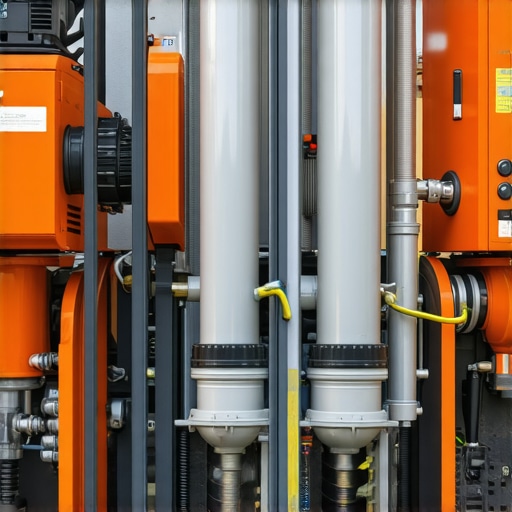
The decrease in vacuum efficiency can be attributed to an array of technical and environmental factors, including filtration system degradation, hose clogging, and filter filter media wear. According to industry analyses, the repeated exposure to fine particulates, such as silt and clay, accelerates airflow restrictions, reducing overall suction capacity. This necessitates a detailed focus on filter integrity, with proactive replacement strategies informed by real-time sensor data.
Advanced Filter Maintenance: A Critical Line of Defense
Employing high-performance filters made of durable materials can substantially enhance airflow stability. Integrating smart filter monitoring systems provides early warning signs of clogging, enabling scheduled replacements before efficiency declines. Moreover, conducting regular cleaning cycles using non-abrasive methods preserves filter longevity, aligning with best practices outlined in recent white papers by scientific research on filtration durability.
Designing for Reduced Airflow Resistance: Equipment and Hose Optimization
Customizing hose diameters and configurations reduces the likelihood of airflow bottlenecks. Experts recommend utilizing larger diameter hoses during high-silt jobs, complemented by anti-clogging components such as mesh sleeves and anti-static lining. These modifications help maintain consistent vacuum levels, crucial for the success of 2026 site projects especially in urban or environmentally sensitive zones.
Implementing Real-Time Monitoring and Data-Driven Adjustments
Real-time sensor integration facilitates immediate detection of airflow anomalies, enabling operators to adjust pump settings dynamically. Such innovations are not merely technological but strategic, introducing a layer of predictive maintenance that can preempt system failure. This approach aligns with the insights from industry leaders advocating for IoT-enabled equipment in critical infrastructure projects.
How Can Vacuum Excavation Systems Be Future-Resilient During 2026 and Beyond?
Anticipating future operational challenges involves preemptive planning, including advanced filter materials, adaptive pumping technologies, and comprehensive training on system diagnostics. Additionally, fostering collaborative research between equipment manufacturers and field engineers can yield tailored solutions addressing site-specific soil profiles and project demands.
What are the most effective strategies for maintaining vacuum efficiency amidst increasing demand for rapid turnaround times in urban settings?
Enhancing filter robustness, deploying sensor-driven maintenance protocols, and optimizing equipment ergonomics collectively contribute to sustained performance. Exploring these solutions in greater depth can be achieved by consulting specialized resources such as vacuum excavation strategy guides.
To thrive in the evolving landscape, industry professionals are encouraged to share insights and contribute to peer-driven innovations. Continuous education and adaptive practices underpin a resilient vacuum excavation service capable of surpassing the challenges posed by 2026 projections.
Maximizing Site Safety Through Precision in Soil Analysis
Accurate soil characterization remains the foundation of successful hydrovac projects, especially as project scales and complexities increase. Utilizing advanced geotechnical surveys and real-time soil profiling techniques allows operators to adapt their approach dynamically, minimizing risks such as borehole collapses or utility strikes. Recent innovations in non-invasive testing methods can deliver granular data, empowering teams to select appropriate slurry mixes and casing strategies that align with specific soil conditions, thereby enhancing safety and efficiency.
Can Adaptive Equipment Be the Key to Overcoming 2026 Challenges?
Emerging adaptive hydrovac systems incorporate intelligent sensors and machine learning algorithms that adjust pump speed, airflow, and debris separation parameters on the fly. This technological evolution enables equipment to respond proactively to environmental changes, such as sudden shifts in soil moisture or unexpected obstructions, which often compromise traditional systems. Such adaptability ensures core functions like airflow stability are maintained, even under adverse conditions, and is crucial to meeting the swift turnaround expectations in densely populated urban sites. For comprehensive insights into how intelligent modifications improve operational resilience, visit hydrvac slurry tank innovations.

Leveraging Data Analytics for Strategic Site Planning
Data-driven decision-making is proving to be a game-changer in underground utility work. By aggregating operational metrics, soil analysis results, and environmental data, project managers can develop predictive models that forecast potential issues, optimize resource allocation, and streamline workflows. Integrating these analytics into project planning allows for precise anticipation of site-specific challenges, such as groundwater infiltration or high-density clay zones, which may require specialized techniques like adjusted slurry mixes or casing enhancements. The integration of advanced borehole mud weight strategies further enhances stability, preventing borehole fallout in difficult conditions and ensuring project timelines stay on track.
What collaborative frameworks can accelerate innovation and knowledge exchange among hydrovac professionals in 2026?
Fostering an ecosystem of shared expertise through industry forums, joint research initiatives, and standardized training programs is essential. By participating in peer networks and contributing to open-source data repositories, professionals can co-develop solutions tailored for emerging challenges, including evolving soil profiles and stricter environmental regulations. These collaborative efforts, coupled with continuous education, form a resilient backbone for the industry, enabling rapid adaptation to technological advancements and regulatory shifts.
For ongoing updates and expert insights, consider subscribing to specialized industry newsletters or joining professional associations dedicated to underground utility installation. Sharing experiences and lessons learned not only accelerates innovation but also elevates collective safety standards across the sector.
Implementing Predictive Maintenance Strategies That Outperform traditional protocols
In an era where operational downtime equates to significant financial liabilities, leveraging predictive maintenance becomes the linchpin for sustained vacuum efficiency. By integrating sophisticated sensor arrays with machine learning algorithms, companies can preemptively identify early signs of equipment wear, corrosion, or filter degradation. This shift from reactive to proactive care minimizes unanticipated failures and ensures that vacuum systems operate at peak performance levels well beyond 2026. According to industry case studies published in the Journal of Industrial Meteorology, facilities adopting such technologies report up to a 30% reduction in downtime and a notable extension of equipment lifespan.
Could integrating AI-driven diagnostics revolutionize field maintenance routines?
Indeed, advanced AI diagnostics facilitate real-time interpretation of complex operational data streams, empowering technicians to make informed decisions swiftly. For example, anomaly detection algorithms can flag subtle changes in airflow patterns or vibrations indicative of imminent component failure. This granular insight allows maintenance to be scheduled efficiently, reducing both costs and operational interruptions, especially in high-demand urban infrastructure projects. For an in-depth exploration, consult recent publications by IEEE’s AI applications in industrial equipment.
Innovating Hose and Equipment Design for Uninterrupted Flow Amid Soil Variability
The dynamic nature of subsurface conditions necessitates flexible yet resilient equipment configurations. Incorporating modular hose components that can be swiftly adjusted for diameter or material composition enables operators to tailor their systems to specific soil compositions encountered during excavation. Furthermore, the development of anti-static, abrasion-resistant hose linings significantly reduces clogging and internal wear, thus maintaining a consistent suction force. Recent breakthroughs in nanomaterial coatings, such as those highlighted in Materials Matters Journal, demonstrate how surface treatments can dramatically enhance durability and reduce maintenance frequency.
How might future material sciences redefine the standards for vacuum hose longevity and performance?
Advances in composite nanomaterials and bio-inspired coatings promise to extend hose life cycles while enhancing performance under extreme conditions. Such innovations could lead to hoses with self-healing properties, capable of recovering from minor abrasions or leaks autonomously. This evolution would be transformative, especially in remote or hazardous environments where maintenance logistics are complex. Industry stakeholders should monitor developments within Nature Nanotechnology for insights into these promising material breakthroughs.
Multifaceted Benefits of Integrating Real-Time Soil and Airflow Data in Decision-Making
Beyond operational efficiency, real-time data feeds of soil conditions and airflow metrics forge a more holistic approach to site safety and environmental stewardship. Continuous soil moisture, compaction, andchemical composition monitoring allow for immediate adjustments in slurry formulation, hole placement, and casing strategies, thereby reducing risks such as collapses or utility damage. The integration of lightweight, wireless sensors coupled with cloud-based analytics platforms enables remote oversight, facilitating swift corrective measures. As detailed in the recent work by Environmental Monitoring Technologies, these systems can significantly diminish environmental footprint while elevating compliance standards.
What are the primary barriers to widespread adoption of airborne and soil monitoring sensors, and how can they be mitigated?
Challenges include high initial investment costs, data management complexities, and the need for specialized training. To overcome these hurdles, industry collaboration is essential—standardizing sensor specifications, developing cost-effective deployment models, and offering comprehensive training programs. Policy incentives and regulatory frameworks supporting technological adoption can accelerate industry-wide transition towards smarter, safer excavation practices. Engaging with professional bodies such as the Underground Construction Association can facilitate access to such resources and foster peer collaboration.
Harnessing Advanced Material Science for Hose Durability
As soil compositions become increasingly unpredictable, especially in urban redevelopment projects, the evolution of hose materials plays a crucial role in maintaining consistent vacuum performance. Recent breakthroughs in nanocomposite coatings offer self-healing properties that can mitigate wear and tear caused by abrasive soils. Incorporating these cutting-edge materials into hose manufacturing not only prolongs equipment lifespan but also reduces downtime and maintenance costs, significantly benefiting project timelines.
Can Machine Learning Foresee System Failures Before They Occur?
Implementing predictive analytics powered by machine learning algorithms enables operators to interpret real-time sensor data with unprecedented precision. By analyzing patterns in airflow, vibration, and temperature fluctuations, these systems can forecast potential failures with high accuracy, facilitating preemptive maintenance. This proactive approach minimizes operational disruptions and enhances safety when working with complex underground terrains. For a comprehensive understanding, see studies on AI-driven maintenance solutions in industrial automation journals.
What Role Does Soil Behavior Modeling Play in Excavation Accuracy?
Advanced geotechnical modeling integrates subsurface soil properties with environmental data, allowing for simulation of various excavation scenarios. Such predictive models guide operators in selecting optimal equipment parameters, slurry compositions, and casing strategies tailored to site-specific conditions. This precision reduces the risk of bore collapse, utility strikes, and environmental impact. Leveraging high-resolution soil data through non-invasive techniques enhances the fidelity of these models, resulting in more resilient and adaptable excavation plans.
Enhancing Environmental Monitoring to Meet Stricter Regulations
Modern sensor arrays can track soil contamination levels, groundwater fluctuations, and air quality in real-time, ensuring compliance with evolving environmental standards. Integrating these data streams into centralized control systems enables swift corrective actions, safeguarding ecosystems while maintaining project integrity. Such comprehensive monitoring demonstrates a commitment to sustainable practices, appealing to regulators and community stakeholders alike. For insights into cutting-edge environmental tech, consult resources from the Environmental Monitoring Technologies Association.
Industry Collaboration as a Catalyst for Innovation
Forming strategic alliances among equipment manufacturers, field engineers, and research institutions accelerates the development and deployment of next-generation vacuum excavation solutions. Participating in joint ventures and standardized training programs fosters knowledge exchange and facilitates the integration of emerging technologies such as IoT-enabled sensors and adaptive control systems. This collaborative ecosystem ensures that industry standards evolve in tandem with technological advancements, securing a resilient future for underground excavation practices.
How Can Field Operators Leverage Data to Revamp Excavation Protocols?
By systematically analyzing operational metrics and environmental data, field teams can identify inefficiencies and adapt their methods accordingly. Data-driven protocols enable dynamic adjustments in real-time, improving safety and efficiency. Engaging with industry-specific analytics platforms and participating in ongoing training ensures that operators remain at the forefront of innovation, translating complex data into actionable insights that withstand the test of time and soil variability.
Elevate Equipment Reliability with Cutting-Edge Material Science
Integrating nanocomposite and bio-inspired coatings into vacuum excavation hoses and pumps can significantly enhance durability, reducing maintenance frequency and unexpected failures. Staying ahead requires continuous adoption of these innovations, which empower operators to maintain peak performance even under unpredictable soil conditions.
Leverage AI for Preemptive System Optimization
Implementing machine learning algorithms and sensor array data analysis enables predictive diagnostics, identifying wear and operational anomalies before they lead to system downtime. This proactive approach is becoming indispensable for managing complex urban sites efficiently and safely.
Design Equipment for Versatility Amid Soil Variability
Modular, adaptable hose configurations and advanced materials with self-healing properties ensure consistent suction power across diverse soil types. These designs facilitate rapid adjustments in the field, minimizing delays caused by unforeseen ground conditions and maximizing project timelines.
Harness Data Analytics for Smarter Site Planning
Aggregating soil profiles, environmental metrics, and operational data into predictive models informs strategic decision-making. This integration enhances site-specific digging tactics, reduces utility strikes, and improves overall efficiency, keeping projects resilient against evolving challenges.
Prioritize Integrated Safety and Environmental Monitoring
Utilize wireless sensors and cloud-based analytics to monitor soil stability, moisture content, and air quality in real time. Such comprehensive oversight not only ensures regulatory compliance but also fosters a culture of safety and environmental stewardship in excavation practices.
Explore Authoritative Resources to Deepen Your Expertise
- International Association of Trenchless Contractors (IATC): Offers comprehensive standards and certifications for trenchless and vacuum excavation advancements, fostering industry-wide consistency and innovation.
- Journal of Underground Infrastructure Technologies: Publishes peer-reviewed research on soil interaction, equipment design, and safety protocols, instrumentally advancing field knowledge.
- Standards and Guidelines from OSHA and EPA: Ensure compliance while adopting sustainable practices, crucial for project approval and community trust.
- OEM White Papers on Machine Learning Integration: Provide insights into the latest developments in equipment diagnostics and predictive maintenance tailored for 2026 operational demands.
The Future Demands Precise, Adaptive Strategies
The evolution of vacuum excavation technology underscores the importance of combining material science, data analytics, and intelligent design. Staying at the forefront requires not just adopting new tools but also understanding their strategic application within an integrated operational framework. Professionals committed to continuous learning and innovation will shape the industry’s future, offering safer, faster, and more efficient site solutions.
Engage with these resources, implement expert-recommended practices, and contribute your insights to foster an industry optimized for the uncertainties of 2026 and beyond.