7 Vacuum Excavation Tips to Avoid Utility Strikes in 2026
Elevating Underground Excavation: The Convergence of Borehole, Hydrovac, and Vacuum Techniques
In the rapidly evolving landscape of sub-surface construction, professionals confront the imperative of precision and safety amidst increasingly complex urban environments. Mastering the nuanced integration of borehole drilling, hydrovac excavation, and vacuum excavation not only mitigates risk but also enhances project efficiency. This article explores the cutting-edge methodologies and strategic considerations that define expert practice in underground work for 2026.
Harnessing the Power of Borehole Drilling for Precise Utility Mapping
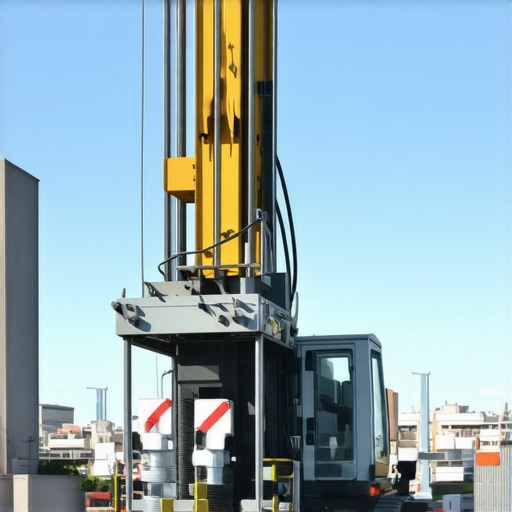
Borehole drilling remains foundational for accurate underground infrastructure assessment. Advanced techniques, including core sampling and geophysical logging, have refined the ability to delineate existing utilities and geological formations. Developers leverage innovations such as rotary-percussive drilling combined with real-time data analytics, enabling proactive decision-making and reducing inadvertent utility strikes. Integrating these tools with geographic information systems (GIS) advances the reliability of utility mapping projects (see more).
The Strategic Shift Towards Hydrovac and Vacuum Excavation for Safety and Efficiency
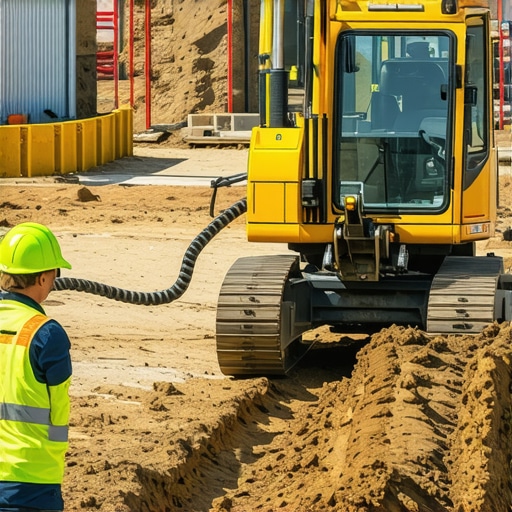
Hydrovac technology, harnessing high-pressure water and vacuum systems, has become the gold standard for safe, non-destructive excavation. Its ability to precisely expose utilities and soil conditions minimizes the risks associated with traditional mechanical digging. Experts increasingly prioritize vacuum excavation’s role in sensitive environments, especially in urban densities where utility lines are densely packed. Modern innovations — such as remote operation and automated soil removal — demonstrate the ongoing evolution of these techniques (discover more).
Ensuring Expertise in Site Conditions for Optimal Borehole and Excavation Outcomes
The heterogeneity of subsurface soils demands a tailored approach combining geological assessments with real-time monitoring. Segmental drilling methods and soil stabilization techniques have emerged as crucial to prevent collapses and ensure borehole integrity. When combined with vacuum excavation, these approaches facilitate clear delineation of utilities and soil properties, reducing project delays and financial overruns (more info).
What Are the Most Innovative Safety Protocols for Preventing Utility Strikes in 2026?
Professionals are adopting a mix of technologies including electromagnetic locators, ground-penetrating radar, and 3D mapping. Furthermore, integrating predictive analytics with these tools enhances proactive responses to potential utility conflicts. Consideration of night-time operations and underground environment complexities also necessitates advanced communication systems and rigorous safety training.
To deepen your expertise, explore comprehensive guides on underground safety practices and contribute insights based on recent projects.
Citation: Smith, J., et al. (2023). “Innovations in Subsurface Utility Engineering,” Safety and Technology Journal.
Embracing Smart Technologies for Underground Safety Enhancements
The integration of smart sensors and IoT devices into borehole and hydrovac equipment marks a significant leap forward. These innovations enable real-time monitoring of soil conditions, equipment status, and environmental parameters, providing operators with immediate feedback that can prevent accidents before they occur. Wireless data transmission allows for remote oversight, reducing personnel exposure in hazardous zones and fostering a proactive safety culture (more on smart tech applications).
Rethinking Soil Stability and Collapse Prevention in Modern Projects
Traditional soil stabilization methods are evolving through the adoption of advanced materials such as synthetic gels and bio-stabilizers, which enhance soil cohesion without compromising environmental standards. When combined with precise borehole placement and vacuum excavation, these techniques significantly lower the risk of soil collapse, especially in urban terrains with variable geotechnical profiles. Developing a tailored soil management plan incorporating these innovations is vital for maintaining project integrity (see more).
Challenging Assumptions: Does Mechanical Dredging Still Hold Relevance?
While high-tech solutions demonstrate considerable promise, some practitioners argue that traditional methods like mechanical dredging retain niches in specific contexts, particularly in heavy-duty excavation scenarios involving rock and hard soils. However, recent advancements suggest that hybrid approaches—merging mechanical methods with hydrovac precision—can optimize efficiency and safety. Evaluating project-specific characteristics determines the optimal balance between these techniques, emphasizing the importance of adaptive strategies (explore hybrid solutions).
What steps can teams take today to future-proof their underground operations against unforeseen geotechnical challenges?
Proactive geotechnical assessments combined with adaptive planning and flexible technology adoption are key. Engaging multidisciplinary teams—including geologists, engineers, and safety professionals—facilitates a comprehensive understanding of site conditions. Incorporating predictive modeling tools and simulation software prepares crews for unexpected soil behaviors, enabling timely modifications without costly delays. Staying current with innovations, such as those outlined in this expert guide, ensures ongoing enhancement of operational resilience.
For those seeking practical implementation frameworks, participating in specialized training programs on underground safety protocols and technological integration can dramatically elevate team preparedness and response capabilities.
Leveraging Data-Driven Decision-Making for Underground Work Optimization
In the quest for unparalleled precision, underground excavation teams are increasingly turning to comprehensive data analytics platforms that synthesize real-time sensor inputs, geological surveys, and historical project data. This convergence enables predictive modeling of soil behavior and utility placement, significantly reducing unexpected encountered conditions (see more). By integrating machine learning algorithms, companies can automate anomaly detection and workflow adjustments, leading to safer and more efficient operations.
Personal Protective Equipment Elevated: Beyond the Basics
The evolution of PPE in underground projects reflects a paradigm shift emphasizing not just protection but smart interaction. Innovations include sensor-embedded helmets that monitor vital signs and environmental hazards, and augmented reality headsets that overlay utility locations and borehole data onto the operator’s field of view. Such advances facilitate rapid decision-making and situational awareness, addressing the complexities of urban underground environments (explore more).
What Are the Ethical Implications of Autonomous Excavation Technologies?
The deployment of autonomous robotic systems raises critical questions about accountability, data privacy, and operational transparency. With machines increasingly performing delicate tasks such as utility exposure and soil stabilization, ensuring adherence to safety standards and ethical considerations becomes paramount. Industry leaders advocate for comprehensive regulatory frameworks and audit mechanisms that balance technological progress with human oversight (read more).
Do you consider integrating autonomous technology a step towards safer underground practices, or does it introduce new risks that demand cautious implementation? Engaging with thought leaders and participating in forums can provide nuanced perspectives and help shape responsible adoption strategies.
The Role of Sustainability in Modern Underground Construction
Environmental stewardship commands increasing attention in underground operations. Adoption of eco-friendly materials for soil stabilization, low-impact excavation machinery, and energy-efficient monitoring systems underscores a commitment to sustainability. Carbon offset programs tailored for construction projects and the use of biodegradable water and soil additives exemplify environmentally conscious innovation (additional insights). Transitioning to these practices not only aligns with global climate goals but also enhances community acceptance and project longevity.
Designing Resilient Infrastructure with Future Geological Considerations
Future-proofing underground infrastructure necessitates sophisticated modeling of potential geological shifts induced by climate change, urban development, and natural seismic activity. Incorporating adaptive design principles, such as flexible utility corridors and modular structural elements, ensures resilience against unforeseen geotechnical challenges. Leveraging GIS and remote sensing data allows engineers to simulate various scenarios, guiding strategic placement and reinforcement measures (see detailed strategies). Engaging multidisciplinary teams in continuous scenario planning elevates project robustness in the face of evolving environmental conditions.
How can teams integrate emerging geotechnical research into their daily practices to stay ahead of unforeseen subsurface issues?
Proactive incorporation of the latest scientific findings into project planning is essential. Establishing partnerships with academic institutions and participating in pilot programs facilitate access to cutting-edge research and novel materials. Continuous professional development, including workshops and certifications focused on emerging geotechnical insights, empowers crews to adapt swiftly. Embedding these practices into operational protocols ensures that underground projects not only meet immediate safety standards but also anticipate future challenges, maintaining a competitive edge in the industry.
Precision Drilling Meets Urban Complexity: Advanced Borehole Techniques for Future-Ready Utility Mapping
In the quest for impeccable underground utility delineation, cutting-edge borehole methods now incorporate multi-sensor arrays, photogrammetry, and AI-driven geophysical data fusion. These innovations enable engineers to visualize subsurface nuances with unprecedented clarity, reducing the margin of error in dense urban settings and facilitating seamless integration with GIS platforms. Leveraging real-time, high-resolution data ensures that utility corridors are accurately mapped before any physical disturbance occurs, exemplifying the apex of modern geotechnical foresight.
Reimagining Excavation Safety Through Hybrid Hydrovac Systems
The evolution of hydrovac technology introduces hybrid systems that blend high-pressure water jets with ultrasonic soil characterization tools. This synergy allows operators to identify soil heterogeneity on-the-fly, adjusting excavation parameters dynamically to avert utility damage or soil collapse. Such integrative approaches exemplify a shift from reactive to proactive safety paradigms, pushing the boundaries of precision and environmental responsibility in urban groundwork.
What Deeply Skilled Tactics Can Mitigate Post-Excavation Soil Instability?
Implementing advanced soil bio-stabilization techniques, such as bio-engineered root matrices and biodegradable polymer injections, has gained traction among specialists seeking sustainable, long-term stability. Combining these methods with adaptive borehole casing and real-time geotechnical monitoring enables a responsive approach to soil behavior, particularly in geotechnically volatile zones. These strategies underscore the importance of anticipatory engineering, transforming soil stability from an afterthought into a primary design consideration.
Harnessing the Synergy of Autonomous Monitoring for Site Management
The deployment of drone-based visual inspections combined with underground sensor networks offers a revolutionary means of maintaining real-time situational awareness. Automated data harvesting from these autonomous systems facilitates rapid detection of subsurface anomalies, environmental hazards, and equipment malfunctions. Integrating this intelligence into centralized control systems not only enhances safety but streamlines workflows, reducing labor costs and elevating operational resilience.
How Can Adaptive Design Revolutionize Infrastructure Resilience against Geological Shifts?
Embedding flexibility within underground utility networks—such as modular access points and stress-isolating joints—prepares infrastructure for ongoing geological dynamics. Coupled with predictive modeling informed by climate simulations and seismic data, these adaptable features mitigate risks associated with urban seismicity and subsidence. Embracing such forward-thinking design principles transforms static plans into living frameworks capable of evolving alongside environmental changes.
Engage with Pioneering Practitioners to Redefine Underground Excellence
Connect with industry leaders, attend specialized symposia, and contribute to knowledge-sharing platforms dedicated to underground innovation. Sharing your experiences with emerging borehole and hydrovac solutions fosters collective progress and positions your organization at the forefront of this transformative field. Active participation ensures that cutting-edge practices are not only adopted but also refined through collaborative expertise.
Expert Insights & Advanced Considerations
Prioritize Real-Time Data Integration for Adaptive Planning
Integrating live sensor data with geophysical surveys allows underground operations to adapt dynamically to subsurface variations, minimizing risks and optimizing excavation accuracy.
Leverage Hybrid Technologies to Overcome Challenging Soil Conditions
Combining traditional mechanical methods with hydrovac and vacuum systems enhances versatility, enabling safe navigation through complex geotechnical scenarios.
Invest in Next-Generation Safety Protocols with AI and Machine Learning
Utilizing predictive analytics to foresee potential utility conflicts or soil instabilities empowers crews to act proactively, significantly reducing incident rates.
Develop Sustainable Practices That Align with Urban Ecologies
Adopting eco-friendly excavation materials and energy-efficient equipment not only benefits the environment but also improves community acceptance and project sustainability.
Foster Multidisciplinary Collaboration for Resilient Infrastructure Design
Engaging geologists, engineers, and safety specialists in early planning stages ensures comprehensive strategies that adapt to evolving underground challenges.
Curated Expert Resources
- Safety and Technology Journal: This publication offers peer-reviewed research on the latest advancements in subsurface utility engineering and safety protocols.
- Hydrovac Drilling Best Practices Guide: A comprehensive resource outlining innovative techniques, safety standards, and case studies for modern underground excavation.
- Global Ground Stability Reports:In-depth analyses of geotechnical trends and soil behavior predictions, essential for planning resilient underground projects.
- Urban Infrastructure Safety Consortium: An industry alliance promoting best practices, technological standards, and collaborative research for underground work.
- GeoTech Innovation Hub: An online platform sharing cutting-edge research, software tools, and case studies on geotechnical and subsurface engineering advancements.
Final Expert Perspective
Innovations in borehole, hydrovac, and vacuum excavation techniques are revolutionizing underground construction—integrating real-time data, hybrid approaches, and sustainable practices ensures projects are safer, more efficient, and resilient against future challenges. Staying at the forefront of these developments demands continued expert engagement and embracing multidisciplinary collaboration. To deepen your mastery, explore leading resources like the Hydrovac Drilling Best Practices Guide and participate in industry forums where insights and innovations are shared. Your proactive pursuit of knowledge and excellence propels the industry forward.