5 Ways Vacuum Excavation Slashes 2026 Utility Repair Costs
Transforming Underground Utility Repair with Advanced Vacuum Excavation Techniques
In the intricate domain of underground infrastructure management, precision and safety are paramount. Vacuum excavation, also known as hydrovac excavation, has emerged as a game-changing approach that empowers utility professionals to perform trenching, borehole creation, and utility location with unprecedented accuracy. As we approach 2026, understanding the nuanced advantages of vacuum excavation becomes essential for optimizing repair strategies, minimizing costs, and safeguarding vital underground assets.
Decoding the Core Advantages of Vacuum Excavation in Trenching and Borehole Drilling
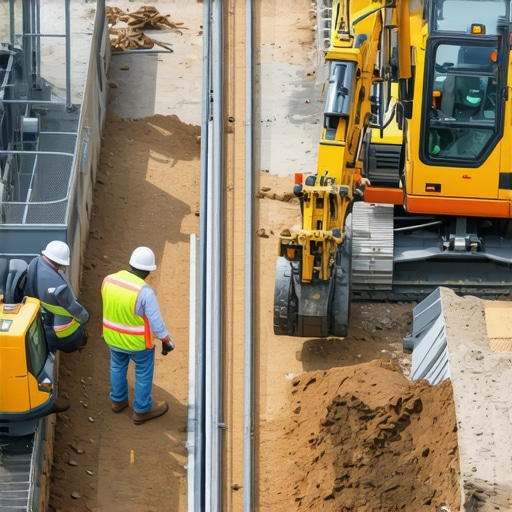
Unlike traditional excavation methods, vacuum technology utilizes high-pressure water or air to loosen soil, coupled with powerful suction to remove debris. This process significantly reduces the risk of utility strikes—a leading cause of project delays and costly damages. With integrated precision, vacuum excavation facilitates safe trenching in congested urban environments, often unearthing utilities without disrupting surrounding infrastructure. Moreover, it enhances efficiency in borehole drilling, especially in challenging soils where conventional methods falter, ensuring reliable data acquisition for utility mapping and monitoring.
Expert Insights into the Safety and Cost-Effectiveness of Hydrovac Operations
From an operational standpoint, employing hydrovac techniques aligns with the industry’s push for safer underground works. Studies, such as those published in the National Safety Training Center white papers, highlight the substantial decline in utility damages attributed to hydrovac applications. Additionally, the reduction in excavation time and the minimization of soil disturbance translate directly into lower project costs. These benefits are particularly evident when executing trenching for fiber optic lines or conducting borehole surveys in urban settings—both complex undertakings demanding high precision.
What Detailed Factors Enable Hydrovac to Outperform Traditional Tunneling in Complex Environments?
The superiority of vacuum excavation in delicate scenarios stems from its ability to operate with minimal soil disturbance and precision targeting. Its adaptable nozzles and real-time monitoring empower operators to accurately identify underground utilities and fragile pipelines. Furthermore, hydrovac’s capability to excavate in saturated or clay-rich soils surpasses conventional dig-and-pry methods, which often risk soil collapse and surface instability. Consequently, major infrastructure projects benefit from fewer delays and reduced liabilities.
Innovative Uses and Problem-Solving Strategies in Vacuum Excavation
Recent innovations include the integration of remotely operated hydrovac systems, enhancing safety during high-risk digs. For example, specialized attachments enable precise soil removal around fiber lines without contact. These advances exemplify the shift toward more autonomous, data-driven excavation workflows. Professionals seeking to optimize trenching and borehole operations should explore targeted strategies outlined in resources such as Streamlined Hydrovac Borehole Techniques, which delineate best practices for 2025 and beyond.
Is Vacuum Excavation the Universal Solution for All Utility Challenges, or Are There Limitations We Must Address?
While hydrovac applications offer significant advantages, acknowledging their limitations is essential. Areas with extremely rocky soils or high groundwater tables can reduce efficiency or pose equipment challenges. Ongoing research, such as detailed soil compatibility studies, guides professionals in selecting appropriate excavation techniques. Engaging with industry experts and reviewing peer-reviewed literature ensures a comprehensive understanding of when hydrovac methods are optimal.
To elevate your project management and safety protocols further, consider delving into related content on effective borehole and trenching methods at effective borehole trenching techniques. Your insights can drive innovation and safety in underground construction.
Elevate Safety and Precision with Next-Generation Hydrovac Methods
As underground infrastructure projects grow increasingly intricate, traditional excavation techniques often fall short in balancing safety, efficiency, and environmental considerations. The evolution of hydrovac technology now encompasses advanced nozzle designs, real-time soil analysis systems, and intelligent monitoring tools, all aimed at minimizing risks associated with utility damages and soil instability. These innovations translate directly into improved project timelines and reduced costs, especially when handling sensitive services like fiber optic lines or high-pressure gas pipelines. For an in-depth understanding of the latest advancements, exploring streamlined hydro-vacuum borehole techniques can provide comprehensive strategies for 2025 and beyond.
Bridging Automation and Analytics: Elevating Underground Utility Operations
As the landscape of underground excavation evolves, the integration of cutting-edge automation and data analytics stands at the forefront of innovation, promising to redefine efficiency, safety, and decision-making in vacuum excavation. Autonomous hydrovac systems, equipped with sophisticated sensors and machine learning algorithms, enable real-time soil analysis and adaptive control, thereby reducing reliance on manual oversight and minimizing human error. These advancements facilitate faster decision cycles, precise utility detection, and dynamic adjustment of excavation parameters in response to live data streams.
How Do Intelligent Monitoring Systems Transform Hydrovac Deployment?
Advanced monitoring systems harness the power of Internet of Things (IoT) technology to provide continuous feedback on soil conditions, equipment performance, and environmental parameters. For instance, embedded soil sensors can detect saturation levels, particle composition, or the presence of underground hazards, relaying this information to operators or automated control modules. This not only enhances safety—by preventing accidental utility strikes or soil collapses—but also optimizes resource utilization and reduces operational costs. Companies like Geospatial World have highlighted early successes in deploying such intelligent systems across dense urban landscapes.
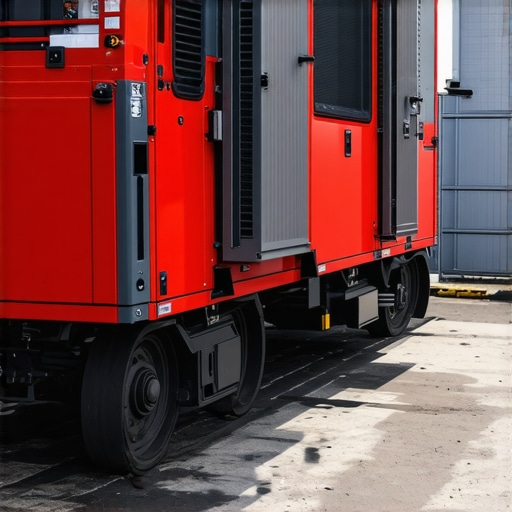
Illustration of a modern hydrovac truck integrated with IoT sensors and autonomous control panels providing real-time excavation data.
Data-Driven Decision Making: A New Paradigm for Complex Terrain Challenges
In terrain characterized by heterogenous soil composition, high groundwater, or underground obstructions, traditional methods often rely on static planning and conservative estimates, which can lead to delays and unexpected complications. Incorporating comprehensive geotechnical data, gathered through remote sensing, geophysical surveys, and prior site investigations, enables engineers to develop dynamic excavation models. Advanced analytics then simulate various scenarios, assessing risk factors and suggesting optimal operational strategies. This approach is exemplified by projects employing Geographic Information Systems (GIS) combined with machine learning algorithms to predict soil behavior under different excavation conditions, delivering tailored solutions that significantly improve project reliability.
Harnessing sensor fusion for unparalleled soil analysis and excavation precision
Innovative integration of multisensor data—including seismic, electromagnetic, and acoustic signals—enables a comprehensive understanding of subsurface conditions. This sensor fusion approach optimizes vacuum excavation processes by providing real-time feedback on soil heterogeneity, moisture content, and existing utilities. Implementing such advanced analytic frameworks allows operators to adjust excavation parameters dynamically, significantly reducing risks of utility strikes and soil instability. Leading industry players are now developing proprietary algorithms that synthesize these data streams, exemplified in recent case studies published by the Formation Insights journal.
What cutting-edge techniques are redefining safety protocols during underground operations?
Emerging safety measures emphasize proactive hazard detection through augmented reality overlays and predictive analytics. Operators equipped with AR headsets can visualize subterranean asset locations and potential stress points, while machine learning models forecast excavation challenges before they materialize. Integrating these technologies into existing workflows minimizes accidents and facilitates compliance with stringent safety standards. Experts suggest that the combination of predictive safety analytics and human oversight represents the apex of modern underground utility management, as detailed in recent publications from the National Safety Training Center.
< >
>
Illustration of an AR-assisted excavator operator viewing subterranean utility overlays with real-time hazard alerts.
How does automation revolutionize the scalability of complex underground projects?
Automation extends beyond autonomous machinery to encompass entire digital twin ecosystems, where virtual replicas simulate excavation sequences and soil responses. This virtual environment enables engineers to optimize procedures, reduce material waste, and anticipate structural impacts. The deployment of robotic excavators, guided by AI-driven planning tools, fosters rapid iteration and adaptability, crucial for large-scale urban infrastructure projects. These technological leaps are documented thoroughly in analyses available through Geospatial World.
Is there a risk of over-reliance on automation in underground utility management?
While automation offers efficiency and safety benefits, inherent challenges include cybersecurity vulnerabilities, loss of nuanced human judgment, and the high costs of technological adoption. Furthermore, complex terrains with unpredictable geology may require adaptive decision-making beyond automated parameters. Therefore, a hybrid approach—leveraging AI assistance with skilled human oversight—is currently regarded as the gold standard, as advocated by industry thought leaders such as the Hydrovac Drilling Consortium.
Engagement with ongoing research and pilot programs is crucial for practitioners aiming to strike the optimal balance between technological innovation and experiential expertise in underground utility operations, especially as we march toward 2026.
Key Takeaways for Industry Leaders
Leverage Autonomous Systems to Enhance Precision
Implementing intelligent, remotely operated hydrovac machinery not only boosts safety but also accelerates project timelines by reducing human error and enabling continuous operation in complex job sites.
Prioritize Data Integration for Risk Reduction
Fusing multisensor soil data, geotechnical surveys, and geospatial analytics informs more accurate decision-making, minimizing utility strikes and soil instability in diverse underground conditions.
Adopt Predictive Safety Protocols
Utilize augmented reality overlays and machine learning models to predict potential hazards, allowing proactive responses and safeguarding crews during high-risk excavations.
Focus on Soil Compatibility to Maximize Efficiency
Conduct thorough soil assessments—especially in saturated or rocky terrains—to select optimal excavation techniques, ensuring cost-effective and timely operations with minimal environmental impact.
Embrace Innovation Through Continuous Learning
Stay informed about emerging methods like sensor fusion and automation by engaging with leading expert resources, ensuring your practices remain cutting-edge and compliant with industry standards.