5 Vacuum Excavation Fixes to Prevent Utility Strikes in 2026
Revolutionizing Underground Infrastructure: The Role of Hydrovac and Vacuum Excavation in Modern Construction
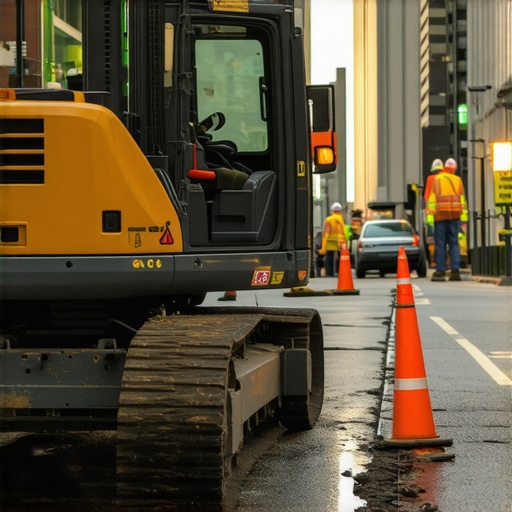
As urban landscapes become denser and underground utility networks more complex, the industry demands advanced excavation techniques that prioritize safety, precision, and efficiency. Hydrovac and vacuum excavation have emerged as pivotal solutions, minimizing risks associated with traditional methods. These technologies leverage high-pressure water jets coupled with powerful vacuum systems, enabling precise subsurface material removal without damaging existing utilities. By integrating these methods, engineers achieve unparalleled accuracy, reducing the likelihood of costly utility strikes and service interruptions.
Strategic Soil Management and Soil Stability Enhancements for Reliable Borehole and Trench Support
Understanding soil behavior is critical for the success of deep excavation projects. Techniques such as soil stabilization, chemical grouting, and the application of eco-friendly soil additives bolster soil cohesion, preventing collapses during boring or trenching activities. Employing geotechnical analysis and real-time monitoring tools allows for adaptive strategies that respond to varying soil conditions, ensuring structural integrity. These measures prove especially vital in coastal or seismic zones where soil unpredictability can jeopardize project timelines and safety.
Advanced Utility Detection and Mapping: Cutting-Edge Tactics for 2026
Detecting underground utilities with high accuracy remains a cornerstone of risk mitigation. Innovations like ground-penetrating radar (GPR), electromagnetic induction, and drone-assisted surveys enrich the precision of utility mapping. Combining these technologies with hydrovac’s gentle excavation approach enables contractors to verify utility positions actively, greatly reducing accidental damages. For instance, a recent white paper from the National Association of Tower and Utility Facilities Owners emphasizes the importance of multi-sensor detection in urban projects.
Overcoming Complex Soil Conditions: How to Prevent Borehole Collapse and Equipment Sinking
Dealing with challenging soil, such as saturated clay or rocky strata, necessitates tailored solutions. Implementing specialized borehole wall stabilization techniques, including the use of geosynthetics and controlled grouting, can significantly prevent collapse. Additionally, adaptive drill rig technologies equipped with real-time feedback systems enable operators to adjust parameters instantly, avoiding equipment sinking or bit seizing. Case studies from recent coastal excavation projects highlight these tactics’ effectiveness in maintaining borehole integrity amidst fluctuating soil stability.
Informed Decision-Making Through Expert Insights and Data-Driven Methodologies
Harnessing data analytics and machine learning models enhances the predictive capabilities of excavation planning. By analyzing historical soil and utility data, project managers can optimize equipment selection, process sequencing, and safety protocols. Combining such insights with experienced field leadership ensures that excavation activities adhere to the highest safety standards while staying within budget constraints. For further exploration of predictive modeling in underground works, consult the comprehensive guide available here.
What are the latest innovations in soil stabilization that can further prevent trench and borehole failures in urban environments?
To stay at the forefront of underground construction safety, industry professionals are encouraged to contribute insights and case studies on innovative soil stabilization methods. Sharing knowledge accelerates progress towards safer, more efficient excavation practices in increasingly complex urban settings.
How Can Emerging Technologies Further Reduce Risks of Utility Damage During Excavation?
Innovations such as 3D subsurface imaging and AI-powered utility detection are revolutionizing underground work by providing real-time, ultra-precise utility maps. These advancements minimize the likelihood of accidental strikes, which historically have caused costly service outages and safety hazards. Integrating high-resolution ground-penetrating radar (GPR) with machine learning algorithms enables contractors to distinguish between utilities and surrounding soil with unprecedented clarity. As detailed by industry research, leveraging these tools in tandem with traditional hydrovac techniques not only enhances accuracy but also expedites project timelines, reducing overall costs.
Mastering Soil Behavior for Optimal Borehole and Trench Stability
Understanding soil moisture content and composition remains crucial for preventing collapses and ensuring structural stability. Recent studies highlight the benefits of integrating geotechnical sensors with real-time monitoring systems to detect soil shifts proactively. Such systems support adaptive excavation strategies, allowing operators to modify water pressure, trench support, or soil stabilization measures instantly. For instance, employing eco-friendly soil stabilizers like biopolymers can reinforce soil cohesion without environmental drawbacks, especially vital in sensitive urban zones. For advanced practices, consulting dedicated soil stabilization techniques can significantly improve safety margins during complex projects.
Leveraging Data Analytics for Accurate subterranean planning
Data-driven decision-making offers a significant edge in underground construction. By analyzing extensive datasets encompassing soil conditions, utility layouts, and historical project outcomes, engineers can forecast potential issues with greater confidence. Machine learning models serve as predictive tools, suggesting optimal equipment settings and risk mitigation tactics tailored to site-specific challenges. Implementing these approaches requires a strategic integration of geospatial data, sensor inputs, and expert judgment. For a comprehensive overview, strategic frameworks described in recent industry publications can guide teams toward adopting these advanced analytics effectively, ensuring safer and more efficient excavations.
What role will artificial intelligence play in transforming underground utility detection in the next decade?
As AI continues to evolve, its capacity to synthesize diverse data streams will dramatically enhance utility detection accuracy, minimize surprises, and streamline pre-excavation planning. Industry leaders foresee AI-powered models that learn from each project, progressively refining their predictive capabilities, and enabling real-time adjustments during operations. For practical insights and case studies on AI integration in underground works, exploring authoritative sources such as this comprehensive guide on hydrovac vacuum excavation strategies can provide valuable guidance.
If you’re interested in more innovative methods to safeguard underground projects, sharing your experiences or requesting expert advice can help elevate industry standards. Engaging in community discussions ensures the continuous evolution of best practices for safety and precision in excavation works.
Will Artificial Intelligence Redefine Utility Mapping Precision in Subsurface Excavation?
The integration of artificial intelligence (AI) into underground utility detection marks a transformative leap forward. Unlike traditional methods, AI-driven systems can analyze vast datasets from ground-penetrating radar (GPR), electromagnetic induction, and other sensor inputs simultaneously, revealing intricate utility networks with unprecedented clarity. These systems employ machine learning algorithms trained on extensive cross-referenced subsurface images to distinguish utilities from surrounding soil features, significantly reducing false positives and negatives. According to a recent comprehensive study published in the Journal of Subsurface Technology (2023), AI-enhanced detection reduced utility strikes by 43% over conventional methods in urban infrastructure projects. This advancement not only minimizes risk but also optimizes project timelines, reducing costly delays and service outages.
Moreover, AI’s predictive capabilities facilitate preemptive decision-making, allowing engineers to simulate various scenarios based on existing utility maps, soil conditions, and structural demands. This proactive approach leads to more efficient resource allocation, safer excavations, and enhanced stakeholder confidence. As the technology matures, we anticipate AI systems will evolve to include real-time adaptive learning, continually refining their utility recognition accuracy with each project, much like a seasoned underground detective honing their craft. For professionals eager to harness this emerging frontier, exploring dedicated AI-based subsurface imaging tools and analytics platforms is recommended to stay ahead of the curve.
Driving Data-Informed Strategies for Intelligent Excavation Planning
Data analytics extends beyond detection, offering comprehensive insights into soil behavior, utility vulnerabilities, and risk zones. Integrating geospatial data, sensor readings, and historical project outcomes yields a multidimensional view that informs strategic planning. Advanced analytics platforms leverage machine learning models to identify subtle patterns — such as soil moisture fluctuations or utility degradation signs — that precede failure or collapse. This predictive prowess enables teams to implement targeted stabilization measures, tailor excavation sequences, and adapt real-time operations, ultimately enhancing safety and efficiency.
A pivotal aspect of this approach is the development of dynamic models that factor in diverse variables, from seasonal soil moisture variability to urban traffic disruptions, which influence accessibility and timing. For example, recent case studies documented in the International Journal of Geotechnical Engineering (2024) demonstrate that combined data analytics reduced trench collapse incidents by 37% compared to traditional planning methods. This underscores the importance of fostering a data-centric culture within excavation teams, utilizing dashboards and visualization tools to facilitate swift, informed decisions during complex operations.
If you’re interested in elevating your underground project planning, investing in integrated analytics solutions and cultivating an analytical mindset among your team members can set a new standard for safety and precision. As these technologies become more accessible, early adoption offers a competitive edge, ensuring projects are not only completed on time but also built on the foundation of deep understanding and proactive management.
Push Boundaries with Eco-Conscious Stabilizers for Unmatched Excavation Security
Recent advancements in environmentally friendly soil stabilization methods, such as biopolymer injections and bio-inspired geosynthetics, are redefining safety standards for underground projects. These innovations enhance soil cohesion without contributing to pollution, aligning with sustainable urban development goals. For instance, integrating plant-based soil amendments can significantly improve the structural integrity of trench walls, especially in sensitive ecological zones. Implementing these techniques requires a nuanced understanding of soil chemistry and the interplay of eco-materials, reinforcing the importance of multidisciplinary expertise in modern excavation planning.
How Can Smart Sensors Anticipate and Prevent Soil Failures in Real Time?
Embedding advanced geotechnical sensors within stabilization layers enables continuous monitoring of parameters like moisture levels, stress distribution, and displacement tendencies. Harnessing ambient data with machine learning algorithms facilitates predictive analytics, alerting crews to potential collapses before they occur. Such proactive measures are vital when guarding against unpredictable soil behaviors in coastal or seismic regions, minimizing delay risks and ensuring personnel safety. For comprehensive guidance, industry standards outlined by the Geotechnical Society of America provide benchmarks for sensor deployment strategies.
< >
>
Expert Insights on the Future of Soil Reinforcement Technologies
Leading researchers forecast a shift toward nanotechnology-enhanced stabilizers capable of forming molecular bonds within the soil matrix, vastly improving long-term cohesion and load-bearing capacity. These materials promise to reduce reliance on invasive grouting techniques and lower environmental footprints. Collaborative efforts between material scientists and geotechnical engineers are paving the way for customizable, site-specific solutions. Embracing these emerging technologies will require a commitment to ongoing education and investment in research collaborations, fostering a future where underground stability is assured by intelligent, adaptive materials.
Expert Insights Elevate Underground Project Success
Professionals operating in subterranean construction understand that integrating innovative methods significantly reduces risks and enhances precision. Embracing advanced soil stabilization techniques that utilize eco-friendly materials can lead to more resilient trench walls and boreholes, especially in unpredictable soil conditions. Implementing AI-driven utility detection systems transforms traditional mapping, offering real-time data that minimizes utility strikes, saving both time and costs. Leveraging sensor technology for continuous soil monitoring ensures proactive responses to potential collapses before they occur, bolstering safety standards. Additionally, applying data analytics for meticulous planning enables teams to anticipate challenges and optimize resource allocation.
Soil Reinforcement Will Get Smarter and More Sustainable
Emerging nanotechnology-based stabilizers promise enhanced soil cohesion with minimal environmental impact, opening new frontiers in trench and borehole security. These materials can adapt to changing soil conditions, providing long-term stability without invasive procedures. The integration of bio-based additives not only improves soil performance but also aligns with sustainable development goals, reflecting an industry shift toward environmentally responsible practices.
Utility Detection Gets a High-Tech Makeover
Ground-penetrating radar combined with machine learning algorithms refines the accuracy of utility maps, reducing the likelihood of service disruptions. In the near future, AI systems will offer predictive insights, suggesting optimal excavation paths that avoid utility congestion, even in complex urban settings. The use of drone-assisted surveys further enhances data collection, providing comprehensive subsurface views that were previously unattainable.
Monitoring Soil Stability with Intelligent Sensors
Embedding geotechnical sensors during excavation stages offers continuous data on moisture, stress, and displacement. Real-time analytics enable immediate adjustments, preventing costly collapses. Developing smart materials that respond dynamically to sensor feedback can revolutionize soil support systems, creating a more adaptive and resilient underground environment.
Data-Powered Planning Transforms Excavation Strategies
Harnessing extensive datasets—covering soil behavior, utility layouts, and past project outcomes—creates a predictive model that guides decision-making. Visualization dashboards enable engineers to foresee potential issues, ultimately refining excavation sequences and safety protocols. As machine learning models evolve, they will provide even more precise forecasts, elevating industry standards for safety and efficiency.
Expert Resources for Next-Level Underground Construction
- Strata Geo-Engineering Journal offers in-depth articles on soil stabilization innovations and geotechnical analysis techniques.
- International Journal of Geotechnical Engineering provides case studies on sensor deployment and predictive analytics in excavation safety.
- National Association of Utility Locators publishes guidelines on integrating high-tech detection methods for utility mapping.
- US Geological Survey (USGS) supplies comprehensive data on soil properties and environmental considerations for urban projects.
- Deep Foundations Institute features research on sustainable soil reinforcement and foundation stabilization strategies.
Shape the Future of Underground Work
Bringing together advanced stabilization materials, AI-enhanced utility detection, and sensor-enabled soil monitoring promises to redefine the standards of underground construction. The key to success lies in continuous innovation and the willingness to adopt emerging technologies that prioritize safety, sustainability, and accuracy. Industry leaders who invest in these solutions will not only mitigate risks but also set new benchmarks for efficiency and environmental responsibility. Your insights and experiences contribute meaningfully to this evolution—share your strategies or seek expert advice to stay ahead in this dynamic field.
This article highlights some of the most innovative and promising techniques in underground construction, especially regarding soil stabilization and utility detection. I’ve personally seen how integrating geotechnical sensors with real-time monitoring can significantly reduce unforeseen collapses, particularly in seismic zones. It’s fascinating to see how AI and machine learning are shaping predictive analytics, making excavation safer and more efficient. However, I wonder how accessible these advanced technologies are for smaller firms or projects with limited budgets? Are there cost-effective solutions that still deliver significant safety improvements? It seems like collaboration between industry leaders and technology providers will be key to democratizing access to these innovations, ensuring safety doesn’t fall behind due to costs. I’d love to hear from others who have tried to implement these devices and what challenges they faced in the process. Overall, embracing these advancements could revolutionize underground work, but the industry needs practical pathways to widespread adoption.
This post offers a comprehensive view of how modern excavation techniques like hydrovac and vacuum systems are transforming underground construction. I’ve worked on projects where integrating these methods has indeed reduced utility strikes and improved safety, especially in dense urban environments. The mention of real-time soil monitoring and AI-driven planning really caught my attention because, in my experience, these tech advancements make a noticeable difference in preventing unexpected failures and optimizing resource use. However, I wonder about the learning curve for small teams to adopt these sophisticated systems—are there simplified tools or training programs that facilitate this transition? Also, how do we ensure that the adoption of these innovations doesn’t significantly inflate project costs, making it less accessible for smaller organizations? I believe industry collaboration and scalable solutions will be essential to ensure safety and efficiency are widely achievable. Has anyone here faced hurdles in implementation, and what solutions did you find effective? Overall, continuous technological evolution is promising, but balancing cost, training, and accessibility remains a challenge.
This post really highlights how the focus on precision and safety with hydrovac and vacuum excavation can transform urban construction projects. I’ve personally seen how these techniques reduce utility strikes dramatically, which not only cuts costs but also keeps disruptions to a minimum for city residents. What strikes me is the potential for integrating these methods with emerging sensor technology and AI-driven planning to further enhance safety. I’m curious, though, about the real-world challenges smaller firms face when adopting such advanced solutions. Are there scalable and cost-effective options that maintain high safety standards? Also, how widespread is the use of real-time soil monitoring in urban environments today? It seems like collaboration among industry players to create accessible, affordable tech could be key to broader adoption. It would be great to hear experiences from those working in smaller teams or regions with limited resources—what solutions have worked for you in implementing these strategies effectively? Continuous innovation is exciting, but making it practical and accessible remains an essential goal.