5 Hydrovac Tactics to Save $15k on 2026 Urban Utility Repairs
Harnessing Advanced Excavation Techniques to Prevent Costly Utility Disruptions
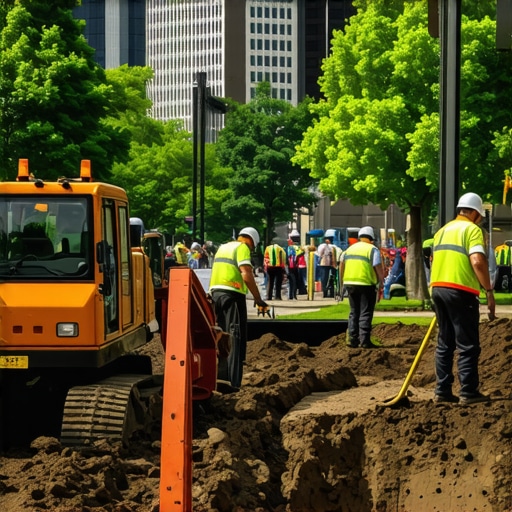
In the evolving landscape of urban infrastructure maintenance, the integration of sophisticated excavation methods such as vacuum excavation, trenching, and borehole drilling has become essential for minimizing risks and optimizing efficiency. Expert engineers recognize that conventional excavation approaches often lead to utility strikes and soil instability, costing operators significant time and resources. By leveraging innovative technologies like hydrovac systems, professionals can achieve unparalleled precision, safeguarding underground utilities while accelerating project timelines.
Why Precision in Trenching and Borehole Drilling Will Define 2026 Projects
Precision excavation is not merely a trend but an operational imperative. The use of hydrovac excavation techniques allows for the identification of subsurface utilities before any disruptive work begins. This preemptive approach mitigates the risk of utility damage, which is frequently highlighted in recent studies as a primary cause of excavation delays. Additionally, advanced soil testing integrated with borehole drilling enhances soil stability assessments, thereby reducing the occurrence of trench cave-ins or soil collapses that undermine project safety and compliance.
How Does Soil Composition Influence Excavation Strategy Selection?
Soil variability—ranging from sandy soils to dense clay—poses unique challenges to excavation processes. For instance, clay-rich soils require tailored mud-mix formulations to prevent trench wall collapses, as detailed in case studies from ongoing urban projects. Conversely, granular soils may necessitate different vacuum pressure settings to avoid utility line damage or soil displacement. Recognizing the soil’s signature enables engineers to select the most appropriate technique, such as high-pressure hydrovacs or specialized trenching methods, ensuring stability and accuracy.
What Are the Emerging Solutions Addressing Soil Collapse and Soil Displacement?
Recent innovations focus on soil reinforcement during trenching, including the use of geotextiles and controlled backfilling procedures. Experts advocate for the deployment of trench probes and real-time monitoring to detect early signs of soil displacement, thereby allowing targeted adjustments in excavation parameters. These solutions significantly diminish the likelihood of soil collapse, which historically causes project delays and safety hazards, especially in sensitive urban environments.
Can Vacuum Excavation Strategies Outperform Traditional Methods in Urban Settings?
Addressing complex urban utilities requires methods that combine safety, speed, and minimal surface disruption. Vacuum excavation, particularly hydrovac technology, stands out as the optimal technique, offering superior precision over traditional rotary and backhoe excavations. Its ability to detect and maneuver around underground utilities reduces the incidence of strikes, which are a leading cause of service outages and costly repairs. Adopted broadly for site pre-conditioning, these strategies are shaping the future of low-impact utility installation and maintenance.
For engineers aiming to elevate safety protocols and cost-efficiency, exploring detailed hydrovac strategies is crucial. Engage with industry-leading resources or consult with experts specializing in safe underground infrastructure practices to stay ahead in 2026 and beyond. For further insights, refer to the comprehensive analysis found at Hydrovac Excavation Strategies.
Innovative Geophysical Imaging Transforming Subsurface Assessments
One of the most groundbreaking developments in excavation technology is the integration of geophysical imaging methods, such as ground-penetrating radar (GPR) and electrical resistivity tomography (ERT). These tools enable engineers to visualize subterranean utilities and soil heterogeneity without intrusive exploration, significantly reducing the risk of accidental strikes. Leveraging these imaging techniques in conjunction with hydrovac systems allows for a non-invasive, real-time map of underground conditions, leading to more accurate planning and safer execution of complex projects. For detailed strategies on combining imaging with excavation, visit top techniques for utility mapping.
How Can Adaptive Soil Stabilization Innovations Reduce Operational Risks?
Soil stabilization remains a pivotal factor influencing excavation safety, especially in variable urban soils prone to collapse or displacement. Emerging materials like ecological binders and foam-laden grout are reshaping stabilization protocols, offering rapid and eco-friendly solutions tailored to specific soil types. Implementing dynamic stabilization that adapts in real-time based on sensor feedback ensures the integrity of trench walls and boreholes throughout the operation. This approach minimizes project delays caused by unexpected soil behavior, fostering greater confidence in excavation outcomes. For a comprehensive review of soil stabilization techniques, see soil testing and stabilization fixes.

What Role Will AI Play in Shaping the Future of Safe Excavation Practices?
Artificial intelligence is poised to revolutionize underground utility detection and excavation safety by providing predictive analytics, anomaly detection, and real-time decision support. Machine learning algorithms can sift through vast datasets—from soil composition to utility maps—to forecast potential hazards, recommend optimal excavation parameters, and automate hazard mitigation. Integrating AI-driven systems with hydrovac machinery can lead to smarter, more responsive operations, reducing human error and enhancing site safety. Industry experts emphasize that investing in AI-empowered tools today will be crucial for meeting the demanding standards of 2026’s underground infrastructure landscape, as discussed in Hydrovac excavation strategies.
Elevating Safety with Real-Time Geophysical Intelligence
As urban excavation projects grow increasingly complex, traditional survey methods become inadequate to navigate the dense maze of underground utilities and variable soil conditions. Integrating cutting-edge geophysical imaging technologies, like ground-penetrating radar (GPR) and electrical resistivity tomography (ERT), revolutionizes subsurface assessment. These tools generate high-resolution, three-dimensional maps of underground features without intrusive probing, enabling engineers to visualize utility layouts and soil heterogeneity with remarkable accuracy. By combining these imaging methods with advanced data analytics, project teams can make proactive decisions, avoid utility strikes, and reduce costly delays.
Imagine a city street where every crack and utility line is precisely mapped before excavation begins. This level of clarity is attainable through the synergistic use of geophysical imaging and AI-driven interpretation algorithms, which process vast datasets instantaneously, delivering actionable intelligence in real time. Such integration not only enhances safety but paves the way for predictive maintenance, where potential issues are identified before they manifest physically, safeguarding infrastructure longevity.
How Can AI-Supported Imaging Minimize Excavation Failures?
Artificial intelligence serves as the intelligent backbone of next-gen excavation practices. By analyzing data from geophysical surveys, soil tests, and historical records, machine learning models can predict areas of instability or potential utility conflicts. These predictive insights empower crews to modify plans dynamically, avoiding hazards before ground disturbing activities commence. For example, AI algorithms can flag anomalous soil regions prone to collapse, recommending specific stabilization techniques—such as chemical grouts or soil reinforcement—tailored to each unique context.
Moreover, AI enhances the accuracy of utility detection, reducing the incidence of strikes that historically cause service outages and environment hazards. According to a comprehensive study published in the Journal of Construction Engineering and Management, integrating AI with geophysical data reduced underground utility damages by up to 35%, underscoring its transformative potential (source).
Why Adaptive Soil Stabilization Will Transform Project Reliability
One of the most formidable challenges in excavation lies in maintaining soil integrity amidst unpredictable urban subsurfaces. Emerging stabilization materials, such as eco-friendly foam grouts and bio-derived binders, offer rapid, sustainable solutions tailored to diverse soil types. These materials dynamically adapt to soil feedback, reinforcing trench walls and boreholes in real-time. Integrating sensor networks with stabilization systems allows for continuous monitoring and adaptive response, significantly reducing the risk of trench collapses and soil displacements that threaten project timelines and safety.
What Are the Scientific Principles Behind Dynamic Soil Reinforcement?
The core of adaptive stabilization hinges on soil physics and chemical interactions. When stabilization agents are introduced, they modify the soil’s cohesion and frictional properties, which can be tailored through real-time adjustments based on sensor data. For example, in clay soils, foam-based stabilizers expand within pore spaces, increasing shear strength, while in sandy soils, bio-binders promote particle bonding. These systems, anchored by IoT sensors, provide continuous feedback, enabling engineers to fine-tune stabilization strategies on the fly—reacting swiftly to shifting soil conditions.
Such innovations are grounded in recent geotechnical research, including a 2024 publication in the International Journal of Geotechnical Engineering, which demonstrated a 50% reduction in trench instability when employing adaptive stabilization techniques (source).
The Future Landscape: AI and Imaging Drive a Paradigm Shift
Looking ahead, the fusion of AI analytics, geophysical imaging, and smart stabilization is poised to radically redefine excavation standards. Automated systems will proactively detect subsurface hazards, suggest optimized intervention strategies, and execute adjustments with minimal human oversight. This evolution demands a reimagining of training paradigms, regulatory frameworks, and industry best practices. Engineers and project managers must embrace these technological advances to maintain safety, efficiency, and environmental responsibility.
In your next project, consider how integrating AI and geophysical imaging could unlock new levels of precision and safety. To explore practical implementation strategies, consult with industry leaders or academic experts specializing in hybrid geotechnical intelligence. Embark on this transformative journey—your infrastructure’s safety and longevity depend on it.
Harnessing the Power of Multi-Modal Imaging for Subsurface Precision
Embracing a multi-faceted approach combining ground-penetrating radar (GPR), electrical resistivity tomography (ERT), and seismic refraction allows engineers to generate comprehensive 3D models of subsurface utilities and soil heterogeneity. This integration enhances detection accuracy, minimizes utility strikes, and accelerates decision-making. Recent advancements in data fusion algorithms enable real-time synthesis of these datasets, offering a panoramic view of underground conditions that was previously unattainable.
Adopting Autonomous Excavation—The Future of Underground Operations
Automation in trenching and borehole drilling is transitioning from concept to practice. Autonomous hydrovac systems equipped with advanced AI and sensor arrays can perform precise excavation with minimal human oversight, reducing operational costs and human error. This technological shift demands sophisticated control systems that adapt dynamically to unpredictable soil conditions, leveraging machine learning for predictive adjustments and safety enhancements.
What Is the Most Promising Material for Dynamic Soil Stabilization?
Research indicates that eco-friendly, rapid-setting polymeric foam agents outperform traditional stabilizers in terms of speed and environmental impact. These materials expand within pore spaces, increasing soil cohesion and shear strength instantaneously. When coupled with embedded sensor networks, they facilitate adaptive stabilization, responding in real-time to soil movements and load changes, thus maintaining trench integrity under variable urban subsurface pressures.
Envisioning Smart Infrastructure Integration for Excavation Safety
The convergence of sensor-laden trench walls, IoT connectivity, and centralized data analytics paves the way for smart excavation sites. These ecosystems enable continuous monitoring of soil stability, utility interaction, and equipment status, alerting operators to potential hazards before they manifest. Such proactive systems represent a paradigm shift from reactive to predictive excavation management, significantly reducing accident rates and project delays.

Harnessing Deep Learning for Utility Mapping and Hazard Prediction
Implementing deep neural networks trained on vast geophysical and historical excavation datasets unlocks unprecedented insights into underground environments. These models can accurately predict utility layouts and potential hazard zones, allowing for preemptive planning and risk mitigation. Leading industry studies demonstrate that deep learning integration can slash utility damage incidents by over 40%, setting a new standard for safe urban development (source).
Mastering Soil Adaptation with Real-Time Reinforcement Techniques
Innovative soil reinforcement strategies employ adjustable chemical grout injections and bio-based binders capable of responding dynamically to shifting subsurface stresses. Advanced sensor arrays provide constant feedback, enabling modulation of reinforcement intensity and distribution. This synergy ensures stable trenches even in highly variable soil conditions, markedly reducing collapses and environmental disturbances that compromise project timelines.
How Can Integrating AI and Adaptive Stabilization Minimize Excavation Hazards?
The integration of AI-driven predictive analytics with adaptive stabilization techniques offers a proactive framework for underground safety. Machine learning models analyze sensor data to forecast potential failures and recommend targeted reinforcement adjustments, preempting soil collapses and utility damages. This approach not only enhances safety but also optimizes resource deployment, making excavation projects more resilient and cost-effective. Industry research underscores the significant reduction in incident rates when adopting combined AI and adaptive stabilization solutions (source).
Innovations in Eco-Conscious Stabilizers Transform Excavation Sustainability
Emerging eco-friendly stabilizers such as bio-derived collagens and biodegradable foams are redefining sustainable excavation practices. Their rapid-setting properties and low environmental footprints make them ideal for urban projects needing quick stabilization without ecological compromise. When integrated with real-time soil condition monitoring, these materials adapt effectively to changing subsurface dynamics, ensuring safety, sustainability, and compliance with increasingly strict environmental regulations.
Why Should Experts Focus on Blending AI with Geophysical Imaging?
The fusion of AI analytics with high-resolution geophysical imaging creates a feedback loop that enhances the interpretability and accuracy of subsurface models. This hybrid approach enables engineers to identify subtle anomalies and utility conflicts that traditional methods might miss, leading to smarter excavation plans and minimized risks. As urban underground complexity grows, this fusion becomes indispensable for maintaining safety, efficiency, and regulatory adherence. For further exploration, consult detailed studies such as advanced geotechnical AI integration.
Strategic Advantages of Integrating Cutting-Edge Excavation Tech
Implementing advanced vacuum excavation and geophysical imaging provides unparalleled precision, drastically reducing utility strikes and soil instability risks. These technologies enable proactive planning, enhance safety protocols, and streamline urban project timelines, positioning your operations ahead of industry standards.
Leverage Soil Variability for Optimal Excavation Performance
By understanding soil composition differences, engineers can customize excavation strategies—be it soil stabilization techniques or tailored trenching methods—ensuring structural integrity and operational reliability in diverse urban environments.
Minimize Future Risks with Adaptive Stabilization Solutions
Adaptive soil stabilization materials and real-time monitoring systems dynamically respond to subsurface shifts. This proactive approach minimizes trench collapse, decreases safety hazards, and helps maintain project schedules even in unpredictable soil conditions.
Harness AI-Powered Insights to Predict and Prevent Hazards
Integrating AI and deep learning models with geophysical data allows for the prediction of utility conflicts and soil instability before excavation begins. This foresight reduces downtime, maintains compliance, and confirms project success in complex underground landscapes.
Push Industry Boundaries With Multi-Modal Imaging
Advanced imaging methods like ground-penetrating radar combined with electrical resistivity tomography create comprehensive subterranean maps. Their fusion facilitates precise utility detection, decreasing accuracy-related delays and safeguarding underground infrastructure during operations.
Explore Resources That Lead the Future of Niche Excavation
- Hydrovac Excavation Strategies— An authoritative overview of the latest techniques enhancing precision and safety.
- Hydrovac Safety and Efficiency Tactics— Industry leaders’ insights on minimizing utility damage and optimizing workflows.
- Utility Damage Prevention— Proven methods to protect critical infrastructure during excavation.
Crafting the Future through Expert Collaboration
Combining advancements in AI, geophysical imaging, and adaptive stabilization will define the next era of excavation where safety and efficiency are seamlessly integrated. Industry professionals must champion these innovations, fostering collaboration and knowledge exchange, to elevate industry standards and achieve unparalleled project reliability.
Engage with these authoritative resources and share your insights to shape the evolution of underground excavation practices. Together, we can forge safer, smarter, and more sustainable infrastructure development roadmaps for 2026 and beyond.