Elevating Dewatering Methodologies: A Strategic Imperative in Modern Hydro-Excavation and Trenching Applications
In the realm of advanced construction practices, particularly those involving hydrovac and vacuum excavation techniques, effective dewatering stands as a critical factor influencing project safety, efficiency, and soil integrity. As infrastructure demands evolve, integrating nuanced dewatering strategies becomes not just advantageous but essential for minimizing risks associated with groundwater interference and soil instability.
Deciphering the Complex Interplay Between Soil Hydrogeology and Dewatering Efficacy
Understanding the heterogeneity of sub-surface hydrogeological conditions enables engineers and operators to tailor dewatering solutions that optimize soil stability during trenching operations. Variations in soil permeability, porosity, and stratification significantly impact the selection of vacuum extraction parameters and equipment configurations, underlining the necessity for a site-specific approach grounded in geotechnical analysis.
Innovative Dewatering Technologies: Beyond Traditional Pumping
Emerging solutions, such as high-capacity slurry pumps, soil dewatering bags, and thermally controlled dewatering units, showcase the technological evolution supporting complex projects. These innovations facilitate not only rapid groundwater removal but also contribute to maintaining the soil’s structural integrity, thereby reducing the incidence of trench collapses and utility damages.
Case Studies Illustrating Successful Dewatering in Challenging Environments
In urban settings with high water tables and unpredictable soil conditions, deploying integrated dewatering systems has led to notable improvements in trench stability and project timelines. For instance, strategic pre-dewatering coupled with real-time monitoring results in minimized soil heave and optimized cut-and-cover sequences, as documented in recent industry reports and field applications.
Balancing Environmental Considerations and Dewatering Efficiency
Environmental stewardship necessitates meticulous management of pumped groundwater to prevent contamination and surface water intrusion. Utilizing filtration systems, environmental barriers, and compliance with local regulations ensures that dewatering processes uphold sustainability goals, aligning construction excellence with ecological responsibility.
Emerging Trends in Dewatering for Hydrovac and Trenching Operations
Anticipating future developments, adaptive control systems leveraging IoT sensors and AI analytics promise to revolutionize dewatering practices. These trends aim to enhance predictive maintenance, optimize resource use, and foster safer operating environments, thereby elevating standards within the industry.
What advanced dewatering techniques best mitigate risks of soil destabilization during high-volume vacuum excavation projects?
Professionals are encouraged to explore detailed methodologies outlined in this comprehensive guide to vacuum excavation safety and efficiency. Sharing insights and field-tested strategies fosters collective advancement and operational resilience in complex construction environments.
For in-depth insights on applying innovative dewatering systems tailored to specific soil and project parameters, see the ultimate guide to borehole drilling with advanced vacuum excavation equipment.
Mastering Soil Stabilization Through Dynamic Dewatering Strategies
Maintaining soil stability during trenching and hydro-excavation hinges on employing innovative dewatering methods that adapt to changing subsurface conditions. Techniques such as real-time monitoring with IoT sensors enable operators to fine-tune dewatering parameters on the fly, significantly reducing risks of soil collapse or utility damage. For example, integrating geotechnical data with adaptive control systems ensures groundwater is managed proactively, aligning with best practices outlined in the ultimate guide to borehole drilling with advanced vacuum excavation equipment.
Challenging Assumptions: Is Conventional Pumping Adequate?
Traditionally, dewatering relied heavily on standard pump systems, but in complex soils or high water table areas, this approach may fall short. Emerging solutions like soil dewatering bags and thermal dewatering units are expanding the toolkit, promoting faster and more environmentally responsible groundwater management. These innovations not only accelerate project timelines but also ensure better soil preservation, thus supporting sustainable construction practices. To learn more about integrating these novel systems, visit how vacuum excavators transform trenching projects.
How can predictive analytics transform dewatering operations for unpredictable soil and groundwater scenarios?
Leveraging AI-driven predictive analytics allows for anticipatory adjustments, minimizing both resource consumption and environmental impact. These systems analyze data from sensors, weather forecasts, and historical project parameters, creating a dynamic dewatering plan that reacts to immediate conditions. Such proactive management is critical in urban environments where groundwater variability can cause significant delays or safety issues. For practical insights, consulting the science behind hydrovac technology provides a foundational understanding of soil-utility interactions.
Interested in real-world applications of adaptive dewatering? Check out example case studies in the field to see theory put into practice.
Harnessing Geotech-Informed Dewatering: Precision Solutions for Variable Subsurface Conditions
Effective dewatering in hydro-excavation necessitates a harmonious blend of geotechnical insights and innovative technology. Elevating traditional approaches, engineers now employ detailed soil permeability analyses, stratigraphic mapping, and real-time sensor data to craft tailored dewatering protocols. This integration ensures groundwater management aligns meticulously with soil behavior, significantly reducing risks of trench failure or utility damage. Companies adopting such precision practices witness notable improvements in project safety and timeline adherence, highlighting the shift toward data-driven decision-making in construction environments.
How can predictive modeling refine dewatering interventions in heterogeneous terrains?
By leveraging advanced computational simulations, project teams can forecast groundwater fluctuations and soil responses under various operational scenarios. Incorporating machine learning algorithms trained on historical geotechnical data enhances these models, enabling proactive adjustments that prevent soil collapse. For instance, predictive analytics can anticipate rising water tables during heavy rainfall, allowing preemptive dewatering measures that stabilize the trench environment. For a comprehensive understanding of integrating modeling with field practices, consult industry-leading resources such as the Geotechnical Engineering Society’s latest research.”>
Unlocking the Potential of Subsurface Water Management to Elevate Construction Precision
Enhancing dewatering techniques in hydrovac and trenching projects demands a nuanced comprehension of soil-water interactions and the integrating of cutting-edge technologies. By harnessing these strategies, professionals can achieve unprecedented levels of soil stability and operational safety, especially in complex environmental conditions where groundwater dynamics pose significant challenges.
Why Do Traditional Pumping Systems Sometimes Fall Short in Complex Soils?
Conventional dewatering solutions often lack the adaptability needed for heterogeneous soil matrices and fluctuating water tables. Advanced methods like thermal dewatering and soil stabilization barriers can provide more reliable results by tailoring groundwater removal processes to specific geotechnical profiles. For detailed insights, consult the expert analysis at Geotech Solutions’ comprehensive review.
What Role Can Machine Learning Play in Predictive Dewatering?
Employing machine learning algorithms trained on extensive geotechnical data enables real-time predictive modeling of groundwater fluctuations. This proactive approach minimizes unforeseen soil instability, reduces project delays, and enhances safety standards. Embracing these innovations signifies a paradigm shift towards smarter, more resilient construction practices.
How Do Eco-Friendly Dewatering Practices Impact Sustainability Goals?
Implementing filtration systems, environmentally conscious disposal methods, and renewable energy-powered pumps ensures that groundwater management aligns with ecological priorities. These practices reduce chemical use and surface contamination, ultimately bolstering a project’s sustainability credentials and community acceptance.
Are Adaptive Control Systems the Future of Soil Stabilization?
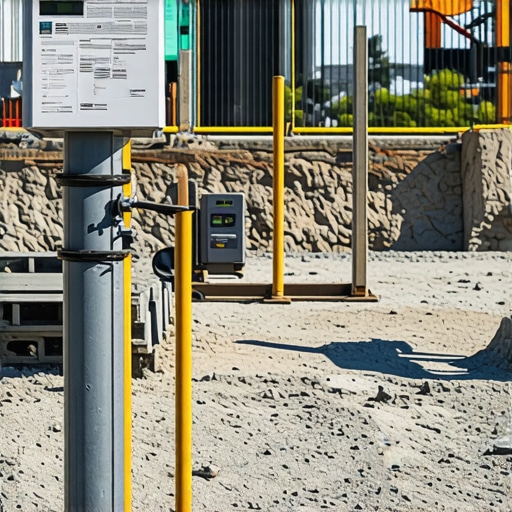
Integrating IoT sensors with adaptive control systems facilitates continuous monitoring of soil moisture levels and pore pressures. This dynamic feedback enables instant adjustments to dewatering parameters, markedly decreasing the risk of trench collapse or utility damage. As research progresses, the deployment of AI-driven control platforms promises to transform traditional approaches into highly responsive, intelligent systems.
How Can Geotechnical Data Elevate Dewatering Precision in Varied Terrains?
The fusion of detailed stratigraphic mapping with real-time sensor data provides a granular understanding of subsurface conditions. This data-driven approach empowers engineers to customize dewatering solutions that harmonize with specific soil properties and project demands, markedly improving safety and efficiency. For further mastery, explore the latest industry white papers at The Geotechnical Journal.
What innovative methods best address groundwater variability in urban construction zones?
Urban environments with unpredictable water levels necessitate flexible, high-capacity solutions such as modular dewatering units combined with AI-influenced monitoring. Incorporating these methods ensures safety and project continuity, especially under regulatory and environmental constraints.
Expert Insights & Advanced Considerations
Prioritize Real-Time Soil Monitoring
Implementing adaptive control systems with IoT sensors allows operators to respond dynamically to changing subsurface conditions, significantly reducing soil destabilization risks during high-volume vacuum excavation projects.
Utilize Multilayered Dewatering Solutions
Combining traditional pumping with innovative methods like thermal dewatering and soil stabilization barriers addresses complex geological conditions more effectively, enhancing project safety and efficiency.
Refine Geotechnical Data Integration
Harnessing detailed stratigraphic mapping and real-time sensor data enables tailored dewatering protocols, leading to better soil stability and minimized utility damage in challenging terrains.
Anticipate Groundwater Fluctuations with Predictive Analytics
Leveraging AI-driven predictive models assists in proactive groundwater management, optimizing resource utilization and reducing delays caused by unexpected water table rises.
Curated Expert Resources
- Geotechnical Engineering Society Publications: Offers the latest research on predictive modeling and soil stability techniques pertinent to advanced dewatering practices.
- Hydrovac Innovation Reports: Showcase emerging technologies driving efficiency and safety in vacuum excavation and soil management.
- Environmental Engineering Guidelines: Detail sustainable groundwater management practices aligned with construction industry standards.
Final Expert Perspective
In the realm of dewatering, integrating cutting-edge technologies and geotechnical insights transforms traditional practices into sophisticated, adaptive systems—ensuring soil stability, safety, and project success. For industry professionals committed to excellence, exploring comprehensive resources and sharing field experiences remains crucial. Engage further by reviewing the ultimate guide to borehole drilling and contributing your insights to advance collective expertise in hyper-precise soil stabilization techniques.