The Critical Role of Maintaining Suction Power in Hydrovac Operations
In the realm of sophisticated trenching and borehole drilling, vacuum excavation—particularly hydrovac technology—has emerged as an indispensable tool for precision and safety. Yet, experienced operators often encounter a persistent challenge: loss of suction at depth, which can significantly impair project efficiency and integrity. Understanding the complex interplay of soil conditions, equipment calibration, and environmental factors is essential for troubleshooting these issues effectively.
Deciphering the Hidden Mechanics Behind Vacuum Degradation
The root causes of vacuum suction loss extend beyond simple mechanical failures. Soil heterogeneity, particle size distribution, and moisture content can create variable resistance within boreholes, leading to pressure imbalances. Advanced soil science research indicates that moisture migration and particle cohesion directly influence soil’s response to vacuum pressure, as detailed in recent studies published by the International Journal of Soil Mechanics and Foundations. Conversely, equipment issues such as worn-out filters, damaged seals, or improper configuration further exacerbate suction inefficiencies, especially at greater depths.
Innovative Techniques for Restoring and Enhancing Vacuum Efficiency
Implementing real-time monitoring sensors can proactively detect pressure drops, allowing operators to mitigate suction loss before it halts operations. Techniques such as adjusting pump parameters, utilizing supplementary air injection, or employing soil conditioning agents can improve penetration and maintain stable vacuum conditions. Professionals also optimize hose integrity and seal systems to prevent leaks, as outlined in mastering vacuum excavation guides.
How Do Soil Composition and Water Table Fluctuations Impact Vacuum Performance?
Soil types rich in clay and silt are notorious for causing unpredictable vacuum behavior due to their cohesive properties. When combined with rising water tables, these soils can dramatically reduce the effective root of vacuum suction, leading to frequent loss of depth control. This phenomenon is well-documented in geotechnical case studies and underscores the importance of site-specific soil assessment prior to hydrovac operations. Implementing soil stabilization measures or pre-excavation soil testing helps in devising tailored solutions to mitigate these challenges, as discussed by experts in soil safety and hydrovac innovations.
Can Vacuum Suction Be Recovered Mid-Operation Without Halt?
Indeed, experienced operators often employ rapid response techniques such as localized soil soaking or the introduction of air blowers to re-establish vacuum integrity mid-dig. These responsive measures require a deep understanding of soil mechanics, equipment capabilities, and environmental conditions—skills honed through extensive field practice. Continuous innovation in equipment design, as explored in future hydrovac trends, aims to reduce susceptibility to such losses and enhance operational resilience.
If you aim to optimize your deep excavation projects or contribute insights from your operational experience, explore related expert analyses or contact industry specialists to refine your troubleshooting protocols.
,
Harnessing Real-Time Data for Proactive Vacuum Management
In high-stakes hydrovac projects, relying solely on reactive measures can lead to delays and increased costs. Instead, integrating state-of-the-art monitoring systems that provide continuous feedback on vacuum pressure and flow rates empowers operators to predict and prevent suction drops before they occur. These sensors, often connected to centralized control units, enable immediate adjustments in pump speed or auxiliary air injection, thereby maintaining optimal vacuum levels. Implementing such technologies aligns with the evolving standards outlined in expert guides and reflects a proactive approach to site safety and efficiency.
Optimizing Soil Interaction Through Innovative Conditioning
Soil properties remain a formidable factor influencing vacuum stability. Recent advances involve the strategic use of soil conditioning agents—such as polymer-based solutions—that alter soil cohesion and permeability. These agents temporarily modify soil behavior, reducing particle clumping and water migration issues that typically cause pressure fluctuations. Field studies demonstrate that proper soil conditioning can extend the effective working depth and stabilize vacuum performance, especially in challenging soils like high-clay or high-silt zones. For a comprehensive review on this approach, see the work published in transformative vacuum excavation techniques.
Could Soil Types and Groundwater Dynamics Be Your Hidden Obstacles?
Understanding the nuanced interplay between soil composition and groundwater levels is crucial for tackling vacuum inefficiencies. Cohesive soils such as clay, combined with fluctuating water tables, can cause unexpected pressure barriers, leading to suction loss. Geotechnical assessments that incorporate electrical resistivity imaging and soil sampling provide insights into how these factors might impact your operation. Implementing preemptive measures—like installing temporary dewatering systems or employing soil stabilization methods—is vital for maintaining consistent vacuum conditions. Insights from soil safety research underscore the importance of tailored site investigations prior to hydrovac deployment, as detailed in soil safety science.
What Innovations Will Define Next-Generation Vacuum Systems?
Emerging trends point toward intelligent, adaptive hydrovac systems equipped with machine learning algorithms capable of real-time adjustments based on soil feedback. These next-generation machines promise to revolutionize deep excavation by dynamically responding to changing ground conditions, minimizing suction loss risks, and enhancing overall productivity. Manufacturers are also developing sealed hose assemblies with advanced materials to reduce leaks and preserve vacuum integrity at deeper levels. Staying abreast of these innovations can provide a significant competitive edge—more information is available in future hydrovac trends. To leverage these advancements effectively, consider partnering with industry specialists who can facilitate seamless integration into your existing workflows.
If integrating cutting-edge technology or refining soil management practices interests you, connecting with field experts or attending specialized workshops can elevate your project’s safety and efficiency standards.
,
Push the Limits of Vacuum Control: Adaptive Solutions for Challenging Environments
As hydrovac operations venture into increasingly complex soil matrices, reliance on traditional techniques may no longer suffice. Tailored adaptations—like deploying variable-speed pumps integrated with smart sensors—allow real-time modulation of vacuum levels, ensuring consistent performance across diverse terrains. Utilizing predictive analytics based on historical soil and water table data empowers operators to anticipate suction fluctuations, preemptively adjusting parameters for seamless excavation.
Investing in High-Precision Soil Profiling for Enhanced Vacuum Management
Before commencing excavation, comprehensive soil profiling using non-invasive geophysical methods can reveal subsurface heterogeneity and water movement pathways. Techniques such as electrical resistivity tomography (ERT) enable precise mapping of cohesive zones and groundwater pathways. Armed with these insights, operators can optimize equipment settings, implement targeted soil conditioning, or schedule pre-drainage interventions—thus reducing the risk of vacuum instability. Detailed case studies, such as those documented by the International Society for Soil Mechanics, underscore the impact of thorough subsurface characterization on operational success.
Addressing Transient Water Table Fluctuations During Deep Excavation
Dynamic water table variations pose a formidable challenge, especially in regions susceptible to seasonal or storm-related changes. Employing real-time groundwater monitoring arrays, coupled with adaptive dewatering systems, can mitigate sudden pressure drops that compromise vacuum fidelity. Incorporating fast-response barriers or controlled drainage layers within the excavation zone can stabilize subsurface moisture levels, maintaining a stable hydrostatic environment conducive to uninterrupted vacuum operation. Consulting geotechnical experts for tailored water management strategies ensures that groundwater fluctuations are effectively countered, preserving both safety and efficiency.
Could Machine Learning Unlock True Predictive Control for Hydrovac Systems?
Emerging artificial intelligence (AI) applications in hydrovac technology suggest a future where machines learn from vast datasets to predict soil responses and vacuum behavior with unprecedented accuracy. Machine learning algorithms can process real-time sensor data, historical excavation records, and environmental parameters to forecast suction loss with high confidence. This predictive capacity allows for proactive adjustments—such as pre-emptive soil moistening or pump modulation—before issues manifest. Leading research, like the study published in Automation in Construction, illustrates how AI-driven systems can drastically reduce downtime and operational costs. Embracing these technologies requires not only capital investment but also training personnel to interpret and leverage AI insights effectively.
How Can Industry Collaboration Accelerate Development of Next-Gen Hydrovac Tools?
Synergistic efforts among equipment manufacturers, soil scientists, and field operators are pivotal in translating advanced research into practical solutions. Collaborative pilot projects and knowledge-sharing platforms facilitate the rapid testing of innovative features—such as adaptive vacuum controls, soil health sensors, and autonomous diagnostic units. Establishing industry consortia dedicated to hydrovac innovation accelerates technological breakthroughs, ensuring operators gain early access to cutting-edge tools capable of conquering the most demanding subterranean environments. Engaging with professional associations and academic institutions can open pathways to co-developing solutions that set new standards for safety, efficiency, and environmental stewardship.
If you’re committed to elevating your hydrovac operations, consider reaching out to industry experts or participating in specialized forums. Building a network of dedicated professionals can provide the insights and resources necessary to implement these advanced strategies effectively.
Why Mastering Soil-Water Interactions Unlocks Superior Excavation Control
In hydrovac operations, the nuanced relationship between soil composition and groundwater fluctuations fundamentally influences vacuum stability. Soils rich in clay or silt exhibit high cohesion, which, coupled with rising water tables, can create transient pressure barriers, causing unpredictable suction loss. Leveraging detailed geotechnical assessments—such as electrical resistivity tomography—enables operators to visualize subsurface heterogeneity with unprecedented clarity. These insights inform preemptive measures, including targeted dewatering or soil stabilization, ensuring consistent vacuum performance in complex terrains. The pivotal role of tailored soil management strategies underscores the importance of integrating subsurface data streams into operational workflows, as evidenced by recent technological advances highlighted in the International Journal of Soil Mechanics.
How Can Real-Time Soil Monitoring Revolutionize Vacuum Stability?
Implementing real-time soil moisture sensors and piezometers allows dynamic tracking of groundwater movement and soil cohesion parameters. These data streams enable adaptive control systems to modulate pump pressure and auxiliary airflow automatically, mitigating risks of suction fluctuation. Such proactive responses are increasingly feasible through integration with AI-driven control algorithms, transforming traditional reactive troubleshooting into predictive management. Harnessing these sophisticated sensor networks not only enhances operational safety but also significantly reduces downtime, paving the way for higher efficiency in demanding excavation scenarios. Insightful case studies in soil safety research illustrate these transformative potentials.
Elevating Equipment Resilience Against Soil-Induced Vacuum Loss
Advancements in hydrovac technology emphasize the development of sealed, corrosion-resistant hose assemblies and seals crafted from specialized polymers, reducing leak points that compromise vacuum integrity. Incorporating smart sensors within the hose system provides ongoing diagnostics, facilitating immediate detection of micro-leaks or seal degradation. Moreover, deploying variable-speed pumps calibrated through historical soil behavior data allows operators to tailor vacuum levels to specific ground conditions dynamically. These innovations epitomize a shift toward resilient systems inherently capable of withstanding the vagaries of soil heterogeneity, as discussed comprehensively in industry white papers on future hydrovac designs. Embracing these innovations ensures sustained efficiency even in the most challenging subterranean environments.
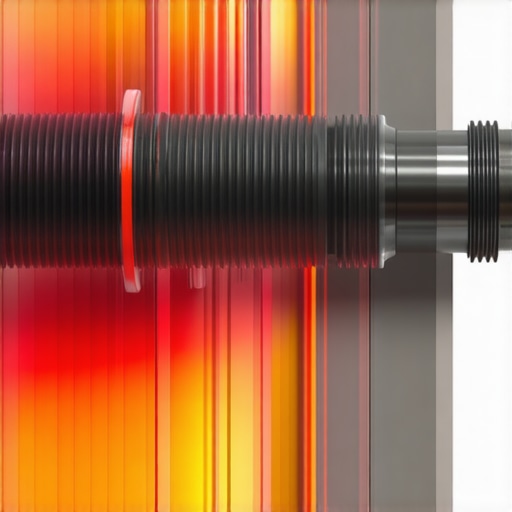
Visualize the integration of smart sensor networks within hydrovac hoses and equipment for real-time vacuum monitoring.
Key Takeaways for Superior Hydrovac Performance
Leverage Real-Time Soil Data to Anticipate Vacuum Fluctuations
Integrating advanced sensors such as soil moisture probes and pore pressure transducers enables proactive adjustments in pump operation. Continuous monitoring facilitates immediate responses to changing subsurface conditions, thus maintaining optimal vacuum levels and preventing costly project delays.
Invest in Adaptive Equipment with Smart Control Capabilities
Utilize hydrovac systems equipped with intelligent controls and machine learning algorithms that analyze operational data. Such technology adapts to soil variability and water table shifts, optimizing vacuum parameters dynamically and reducing the risk of suction loss.
Prioritize Detailed Soil Profiling Before Excavation
Implement comprehensive geotechnical surveys, including electrical resistivity imaging, to map heterogeneity and groundwater pathways. This preparatory step informs tailored soil conditioning and dewatering strategies, enhancing vacuum stability especially in challenging soil types.
Apply Soil Modification Techniques Strategically
Use soil stabilizers and conditioning agents to alter cohesion and permeability properties. These interventions help sustain vacuum pressure at greater depths and in soils prone to moisture migration, thereby expanding operational capabilities.
Mitigate Water Table Impact with Real-Time Dewatering Management
Deploy adaptive dewatering systems integrated with groundwater sensors to respond swiftly to fluctuations. Maintaining a controlled water level within the excavation zone minimizes pressure barriers and sustains vacuum integrity during deep hydrovac operations.
Curated Resources from Industry Thinkers
- International Journal of Soil Mechanics and Foundations: Offers authoritative insights into soil behavior related to vacuum excavation, supported by recent research on moisture migration and particle cohesion.
- Hydrovac Drilling Expert Guides: Provides practical techniques and case studies for equipment optimization, soil conditioning, and troubleshooting vacuum issues in complex site conditions.
- Predictive Soil Modeling Tools: Cutting-edge software solutions that use AI-driven analytics to forecast soil responses, enabling proactive operational adjustments.
- Geotechnical Field Surveys and Imaging: Advanced imaging techniques like electrical resistivity tomography (ERT) that reveal subsurface heterogeneity crucial for site-specific planning.
- Soil Stabilization Innovations: Research papers and industry reports detailing the latest soil modification agents and their application in vacuum excavation contexts.
Synthesizing the Expert Viewpoint
Effective management of suction stability hinges on a sophisticated understanding of both soil dynamics and equipment intelligence within hydrovac operations. Embracing real-time data-driven strategies, combined with tailored soil conditioning and advanced equipment, equips professionals to navigate complex underground environments confidently. This integrated approach not only enhances project efficiency but also sets the foundation for innovation-driven practices across the industry. For those committed to elevating their expertise, engaging with thought leaders, adopting emerging technologies, and continuously refining site-specific methodologies will be instrumental. To deepen your mastery, explore comprehensive resources such as expert guidelines and stay ahead of evolving standards in vacuum excavation technology.